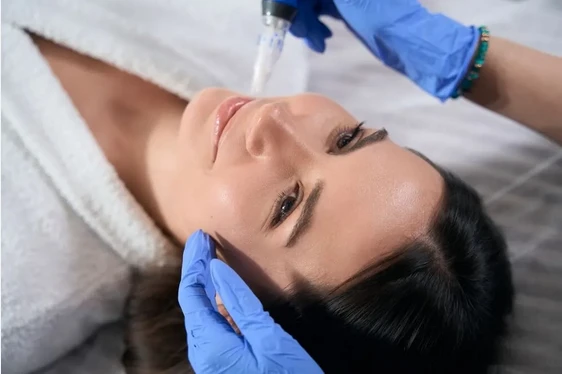

The field of regenerative medicine is undergoing a profound transformation, and at the forefront of this evolution is exosome stem cell therapy. This innovative treatment is not just a fleeting trend; it represents a paradigm shift that promises to revolutionize how we approach healing and recovery. In Leeds, the integration of exosome therapy into clinical practice is gaining traction, offering patients new hope for a range of conditions. This article delves into the intricacies of exosome stem cell therapy, its mechanisms, applications, and the potential it holds for the future of medicine.
Understanding Exosomes and Their Role in Stem Cell Therapy
Exosomes are small extracellular vesicles secreted by various cell types, including stem cells. They play a crucial role in intercellular communication, facilitating the transfer of proteins, lipids, and genetic material between cells. This transfer is essential for regulating various physiological processes, including immune responses, tissue repair, and cellular regeneration.
In the context of stem cell therapy, exosomes are emerging as key players. They carry bioactive molecules that can influence the behavior of target cells, promoting healing and regeneration. Unlike traditional stem cell therapies, which involve the direct application of stem cells to damaged tissue, exosome therapy takes advantage of these natural vesicles to harness the regenerative properties of stem cells without the need for invasive procedures. This approach not only enhances the therapeutic potential but also minimizes the risks associated with stem cell transplantation.
The Mechanisms Behind Exosome Stem Cell Therapy
The mechanisms through which exosome stem cell therapy operates are multifaceted and interconnected. When stem cells are stimulated, they release exosomes that contain growth factors, cytokines, and genetic material. These components are instrumental in modulating the local microenvironment, promoting angiogenesis (the formation of new blood vessels), reducing inflammation, and facilitating cellular repair.
One of the most remarkable aspects of exosome therapy is its ability to influence cellular behavior at a distance. When exosomes interact with target cells, they can initiate a cascade of signaling pathways that promote healing and regeneration. For instance, studies have shown that exosomes derived from mesenchymal stem cells can enhance the proliferation and migration of fibroblasts, which are crucial for wound healing. Additionally, exosomes can modulate immune responses, reducing the risk of rejection in transplant scenarios.
Applications of Exosome Stem Cell Therapy in Leeds
The versatility of exosome stem cell therapy positions it as a potential solution for a wide array of medical conditions. In Leeds, practitioners are beginning to explore its applications across various fields, including orthopedics, dermatology, and neurology.
Orthopedic Applications
In the realm of orthopedics, exosome therapy has shown promise in treating conditions such as osteoarthritis and tendon injuries. By delivering exosomes directly to affected joints, practitioners can potentially enhance the healing process, reduce pain, and improve functionality. Clinical trials are underway to assess the efficacy of exosome therapy in regenerating cartilage and promoting tendon repair, and early results are encouraging.
Dermatological Uses
The field of dermatology is also witnessing a surge in interest regarding exosome stem cell therapy. Patients seeking solutions for skin rejuvenation, scar healing, and hair restoration are turning to this innovative approach. Exosomes can stimulate collagen production, enhance skin elasticity, and promote the regeneration of hair follicles. The potential for non-invasive treatments in aesthetics is particularly appealing to those looking for effective yet safe alternatives to traditional cosmetic procedures.
Neurological Conditions
Furthermore, the implications of exosome therapy extend to neurological conditions such as multiple sclerosis, Parkinson’s disease, and traumatic brain injuries. Research indicates that exosomes can cross the blood-brain barrier, a significant challenge in treating neurological disorders. By leveraging their ability to deliver therapeutic agents directly to the central nervous system, exosome therapy may pave the way for groundbreaking treatments that enhance recovery and improve the quality of life for patients suffering from debilitating conditions.
The Future of Exosome Stem Cell Therapy
As research into exosome stem cell therapy continues to evolve, the future looks promising. The growing body of evidence supporting its efficacy is driving interest among healthcare professionals and patients alike. In Leeds, clinics and research institutions are collaborating to explore the full potential of this innovative therapy, aiming to refine techniques and optimize treatment protocols.
Moreover, the increasing acceptance of exosome therapy in mainstream medicine may lead to more comprehensive training programs for practitioners, ensuring that patients receive the highest standard of care. The establishment of regulatory frameworks to govern the use of exosome therapies will also be crucial in promoting safety and efficacy.
The advent of personalized medicine, where treatments are tailored to the individual needs of patients, aligns seamlessly with the principles of exosome therapy. By harnessing the unique properties of a patient’s own stem cells and exosomes, clinicians can develop customized treatment plans that address specific health concerns. This approach not only enhances the likelihood of successful outcomes but also fosters a deeper connection between patients and their healthcare providers.
Conclusion
In conclusion, exosome stem cell therapy in Leeds represents a significant leap forward in the field of regenerative medicine. As the understanding of exosomes and their therapeutic potential continues to grow, so too does the promise of innovative treatments that can address a myriad of ailments. The future holds immense potential for this groundbreaking therapy, and as research progresses, patients can look forward to enhanced healing and recovery options.
For those interested in exploring the benefits of exosome stem cell therapy, the team at Estemedicalgroupleeds is dedicated to providing cutting-edge treatments tailored to individual needs. Don’t miss the opportunity to embrace the future of regenerative medicine—contact us today to learn more about how exosome therapy can transform your health and well-being.














Sign in to leave a comment.