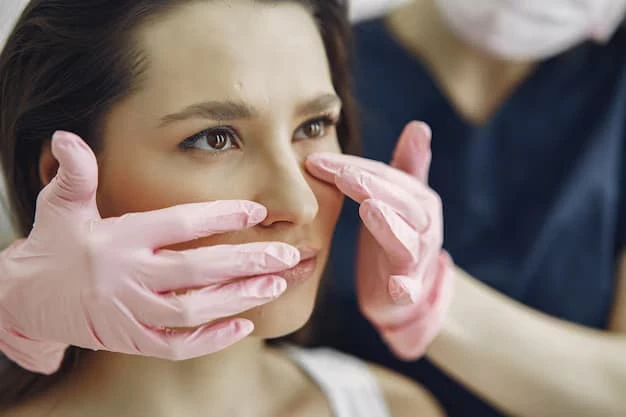

In recent years, nonsurgical rhinoplasty has gained significant popularity as a less invasive alternative to traditional surgical procedures aimed at reshaping the nose. This innovative treatment allows individuals to achieve a more aesthetically pleasing nasal contour without the downtime and potential complications associated with surgery. However, with the rise of this procedure, a multitude of myths and misconceptions have also surfaced. These misunderstandings can lead to confusion and skepticism among those considering nonsurgical rhinoplasty. In this article, we will explore and debunk some of the most common myths surrounding this treatment, armed with insights from experts in the field.
Myth 1: Nonsurgical Rhinoplasty is Just for Minor Adjustments
One of the most prevalent myths is that nonsurgical rhinoplasty is only suitable for minor adjustments. While it is true that this procedure is often used to refine subtle imperfections, it can also address more significant concerns. Nonsurgical rhinoplasty can effectively correct issues such as a dorsal hump, asymmetry, and even a drooping nasal tip. By utilizing dermal fillers, practitioners can sculpt and reshape the nose to achieve a more balanced appearance. This flexibility allows individuals with various aesthetic goals to benefit from the treatment, making it a viable option for many.
Moreover, the results of nonsurgical rhinoplasty can be quite transformative. Patients who may have initially considered surgery for their nasal concerns often find satisfaction with the enhancements achieved through nonsurgical techniques. By delivering precise amounts of filler to targeted areas, practitioners can create a harmonious profile that enhances not only the nose but also the overall facial structure.
Myth 2: The Results Are Permanent
Another common misconception is that the results of nonsurgical rhinoplasty are permanent. In reality, the effects of this treatment are temporary and typically last between six months to two years, depending on the type of filler used and individual metabolic factors. Hyaluronic acid fillers, which are commonly employed for nonsurgical rhinoplasty, are gradually absorbed by the body over time. This characteristic allows for a more flexible approach to aesthetic enhancement, as patients can reassess their desired look and make adjustments as needed.
This temporary nature of the results can also be advantageous for those who may be hesitant about undergoing permanent changes to their appearance. Patients can enjoy their enhanced features while maintaining the option to revert to their original nose shape if they choose to do so. This adaptability is often a compelling reason for individuals to opt for nonsurgical rhinoplasty rather than committing to surgical options.
Myth 3: Nonsurgical Rhinoplasty is Painful
Many individuals shy away from nonsurgical rhinoplasty due to concerns about pain and discomfort during the procedure. However, most patients report minimal discomfort during the treatment. Practitioners often use topical anesthetics or numbing agents to ensure a pain-free experience. Additionally, the injections themselves are relatively quick, often taking less than an hour to complete.
After the procedure, patients may experience some mild swelling or bruising, which typically resolves within a few days. The quick recovery time is one of the key advantages of nonsurgical rhinoplasty, allowing individuals to return to their daily activities almost immediately. This contrasts sharply with traditional surgical rhinoplasty, which often requires a longer recovery period and more significant postoperative discomfort.
Myth 4: Anyone Can Perform Nonsurgical Rhinoplasty
A prevalent myth surrounding nonsurgical rhinoplasty is that anyone can perform the procedure, given its non-invasive nature. This misconception can lead to dangerous outcomes, as the skill and expertise of the practitioner are crucial to achieving safe and satisfactory results. Nonsurgical rhinoplasty should only be performed by qualified professionals who have a deep understanding of facial anatomy and the nuances of aesthetic enhancement.
Choosing a skilled practitioner ensures that patients receive a thorough consultation, during which the practitioner will assess the individual's unique facial structure and goals. A qualified professional will customize the treatment plan accordingly, ensuring that the results are not only beautiful but also harmonious with the rest of the face. Patients are encouraged to research practitioners, seeking credentials, experience, and reviews from previous clients to make informed decisions.
Myth 5: Nonsurgical Rhinoplasty Can Replace Surgical Options
While nonsurgical rhinoplasty offers many benefits, it is important to recognize that it is not a substitute for surgical rhinoplasty in every case. There are certain structural issues and anatomical concerns that can only be adequately addressed through surgical intervention. For individuals with significant deformities or functional issues, surgical rhinoplasty may be the most effective solution.
Nonsurgical rhinoplasty is best suited for those seeking minor enhancements or those who wish to explore their options before committing to surgery. It can also serve as a complementary treatment for individuals who have undergone surgical rhinoplasty and desire further refinement. Ultimately, the decision between nonsurgical and surgical options should be made in consultation with a qualified practitioner who can provide personalized recommendations based on the individual's goals and needs.
Myth 6: There’s No Risk Involved
Like any cosmetic procedure, nonsurgical rhinoplasty does carry some risks, although they are generally lower than those associated with surgical rhinoplasty. Patients may experience temporary side effects such as swelling, bruising, or redness at the injection sites. In rare cases, more serious complications can occur, such as allergic reactions or vascular occlusion, where filler material inadvertently blocks blood vessels.
To mitigate these risks, it is essential for patients to choose a reputable practitioner with experience in nonsurgical rhinoplasty. Thorough consultations, open discussions about potential risks, and adherence to post-treatment care instructions are crucial for ensuring a safe and successful outcome. Patients should feel empowered to ask questions and voice concerns during their consultations, as this fosters a productive and informative dialogue.
Myth 7: Nonsurgical Rhinoplasty is Only for Women
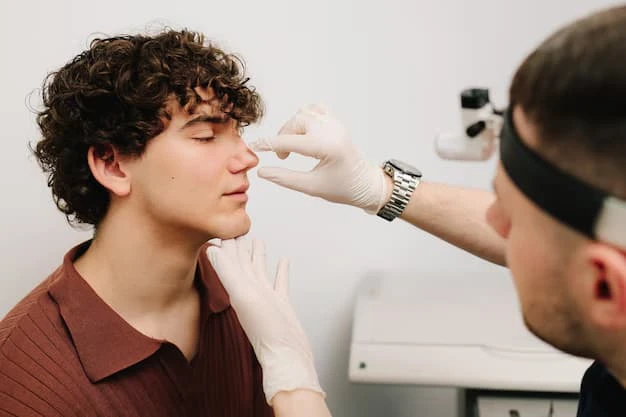
Another myth is that nonsurgical rhinoplasty is primarily a treatment for women. In actuality, this procedure is suitable for individuals of all genders. Men, too, seek facial enhancements to achieve a more defined or balanced profile. Nonsurgical rhinoplasty can help men address concerns related to their nose shape while maintaining a masculine appearance.
The growing acceptance of aesthetic treatments among men reflects a broader cultural shift towards self-care and personal grooming. As societal attitudes evolve, more men are seeking cosmetic enhancements to boost their confidence and enhance their features. Nonsurgical rhinoplasty is an appealing option for those who desire subtle yet impactful changes without the need for extensive recovery.
Conclusion
In summary, nonsurgical rhinoplasty is an innovative and effective option for individuals seeking to enhance the appearance of their nose without the invasiveness of traditional surgery. However, it is essential to navigate the landscape of myths and misconceptions that can cloud judgment. By understanding the realities of this procedure, individuals can make informed decisions about their aesthetic goals. The insights provided by experts dispel common myths, highlighting the versatility, safety, and potential of nonsurgical rhinoplasty.
For those considering this treatment, it is crucial to consult with a qualified practitioner who can provide personalized guidance and ensure a safe experience. If you are interested in exploring nonsurgical rhinoplasty, AL Aesthetics offers expert consultations to help you achieve your desired look. Don’t hesitate to reach out and discover how this transformative treatment can enhance your beauty!










Sign in to leave a comment.