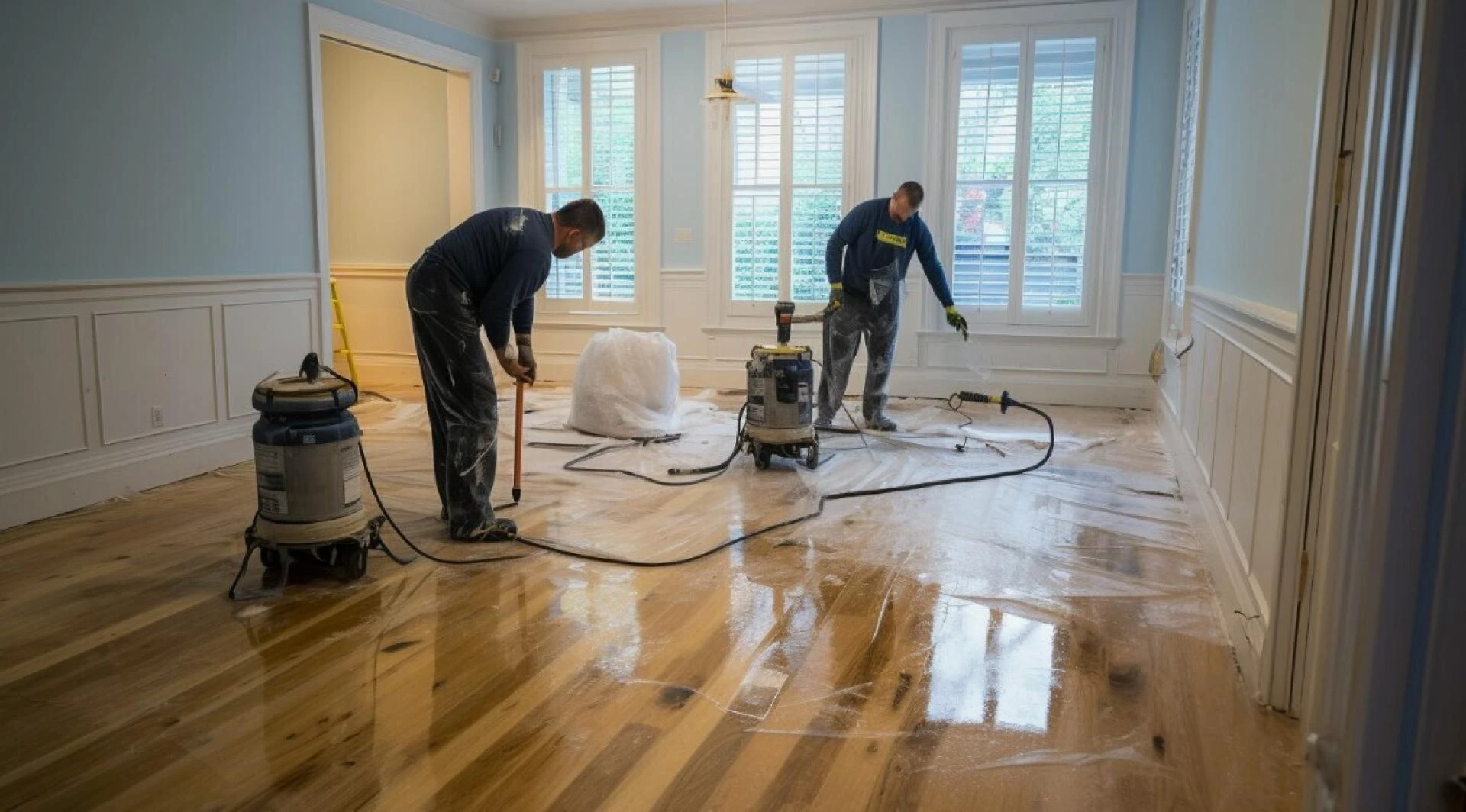

Water damage can sneak up on you. One day, your home feels perfectly fine, and the next, there’s a damp smell, a soft spot on the wall, or worse, a pool of water that wasn’t there before. Whether it’s from a burst pipe, a leaky roof, or a flood, water damage is the problem that gets worse the longer it’s ignored. That’s why professional water damage restoration in Melbourne is more than cleanup; it’s about protecting your property and restoring peace of mind.
This article covers everything you need to know about the process, signs, benefits, and how to choose the right professionals for the job.
- What is Water Damage Restoration?
Water damage restoration is the process of cleaning, drying, and repairing a property after it’s been affected by unwanted water. It’s more than mopping up; it’s a structured process that restores the area to its pre-damage condition.
Professional water damage restoration involves specialised tools and methods to remove moisture, prevent mould growth, and repair damaged structures. Whether it’s caused by flooding, leaks, or stormwater intrusion, the goal is the same: to make your space safe, dry, and liveable again.
- Signs Your Property Needs Water Damage Restoration
Sometimes water damage is obvious. Other times, it hides behind walls, under floors, or in ceilings. A few subtle signs show up first:
- A persistent, musty odour that doesn’t go away with cleaning.
- Paint or plaster that’s bubbling or peeling.
- Warped wooden floors or soft, sagging drywall.
- Unexpected increases in humidity or damp patches that seem to spread.
- Visible mould growth in corners or near windows.
If you’ve noticed any of these, it’s a good idea to call for professional water damage restoration before things worsen. Even small leaks can escalate into major repairs if left untreated.
- Water Damage Restoration Process
Every property is different, but the process follows a series of essential steps. Skipping any of these can lead to incomplete restoration or recurring problems.
1- Assessment and Inspection
The first step is a detailed inspection. Professionals use moisture metres, thermal cameras, and visual assessments to identify the extent of damage. This helps determine the right plan for water damage repair and what kind of equipment will be needed.
2- Water Extraction
After identifying the source, technicians remove standing water using industrial-grade pumps and vacuums. Quick extraction is crucial; it prevents further absorption into flooring, furniture, or wall cavities.
3- Drying and Dehumidification
Even after water removal, moisture lingers in the air and materials. Powerful air movers and dehumidifiers are used to dry out the area. This step ensures there’s no residual dampness that could trigger mould growth.
4- Cleaning and Sanitisation
After drying, all affected surfaces are cleaned and sanitised. Contaminated water from floods or sewage backups carries bacteria and toxins. Cleaning ensures the property is safe and hygienic again.
5- Repair and Restoration
Flood damage restoration or structural repairs are carried out, which might include replacing drywall, repainting, or fixing flooring. Some companies even help restore furniture and personal items affected by water exposure.
- Benefits of Hiring Expert Water Damage Restoration Services
It can be tempting to handle minor water damage yourself. A mop, a fan, maybe a bit of bleach feel manageable. But professional services exist for a reason.
Professionals bring knowledge of how water moves through different materials and how to prevent secondary damage. Professional water damage restoration services also ensure that your home is fully dried, not only on the surface.
They can help:
- Prevent mould and bacterial growth.
- Reduce long-term repair costs.
- Restore property value faster.
- Manage insurance claims with proper documentation.
They handle the stress for you. And when you’re dealing with a soaked living room or a flooded basement, that’s worth more than most people realise.
- Choosing the Right Water Damage Restoration Company in Melbourne
Melbourne has no shortage of restoration companies, but not all offer the same quality of service. Choosing the right one can save time, money, and frustration.
Here are a few things to look for:
- 24/7 availability: Water damage doesn’t wait for office hours.
- Certified technicians: Look for IICRC (Institute of Inspection, Cleaning and Restoration Certification) accreditation.
- Local experience: Melbourne’s climate and building structures have unique challenges. A local company will understand them better.
- Transparent pricing: Get a clear quote upfront for water damage repair or major flood work.
Sometimes, going with the first company that answers the phone feels easier, but taking a moment to check credentials and reviews can save a lot of stress down the track.
- Conclusion
Dealing with water damage isn’t only about cleaning up; it’s about recovery, safety, and prevention. Whether it’s a small leak or full-scale flooding, professional water damage restoration in Melbourne ensures the job’s done properly, reducing risks of future damage.
- FAQs
- How much can I claim for water damage?
It depends on your insurance policy and the extent of damage. Most home insurance covers repair costs for sudden, accidental water damage, but exclusions may apply for gradual leaks or maintenance issues.
- What is the water restoration process?
The process includes inspection, extraction, drying, sanitisation, and repairs. Each step ensures your property is fully restored and protected from mould, structural damage, or health hazards.
- Will insurance cover water damage from a leak?
Yes, if the leak was sudden or accidental. Damage from neglect or long-term leaks may not be covered. Always check your insurer’s terms before filing a claim.
- What not to do after water damage?
Avoid using electrical appliances in wet areas, don’t delay calling professionals, and never try to dry structural materials with household heaters. Quick, safe action prevents further damage and health risks.









Sign in to leave a comment.