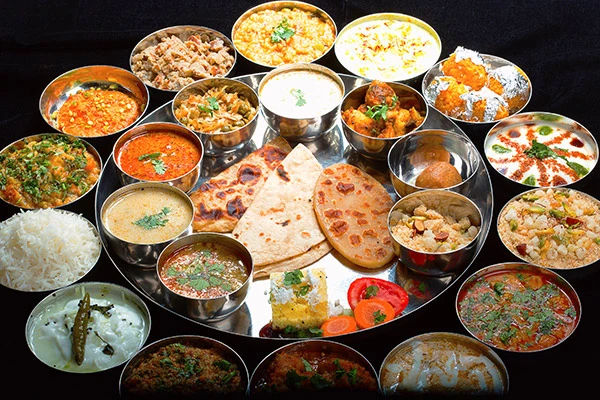
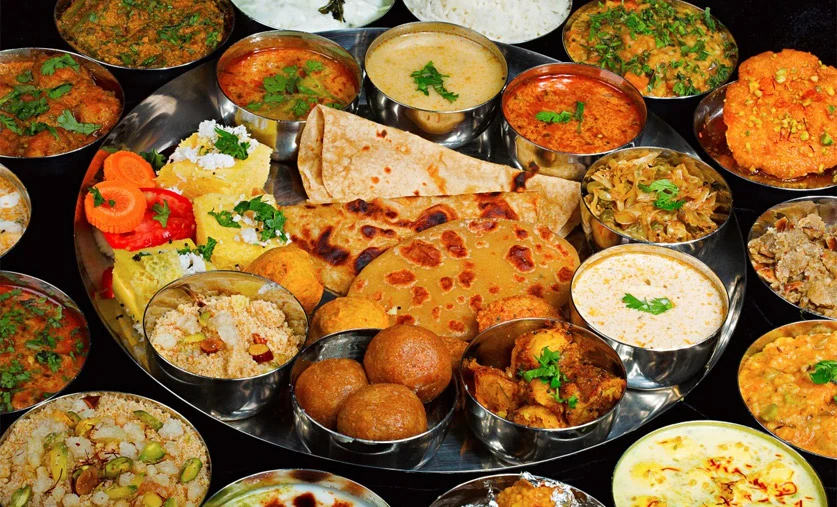
Jaipur, the capital city of Rajasthan, isn’t just known for its majestic forts and vibrant culture—its food heritage is just as rich and unforgettable. From spicy street-side snacks to centuries-old royal dishes, Jaipur’s culinary landscape tells a story of flavor, tradition, and deep-rooted culture. For those who travel with their taste buds, the Best food tour in india offers a gateway to experience Jaipur in its most delicious form.
Discover the Essence of Rajasthani Cuisine
Rajasthani food is shaped by geography, climate, and royal heritage. Given the arid environment, locals mastered the art of preserving food and developed dishes that rely less on water and more on ghee, dry spices, and pulses. What results is a bold, earthy flavor profile that defines the traditional cuisine of Jaipur.
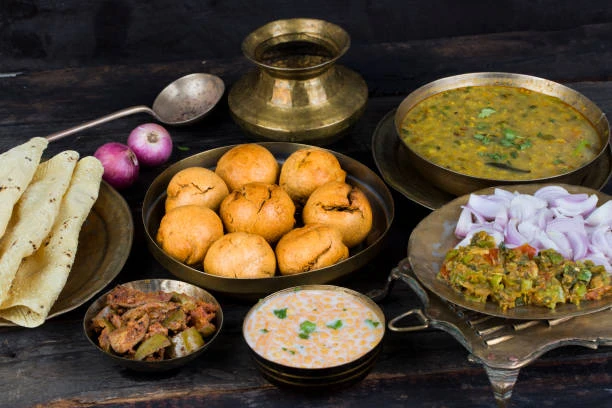
Expect to encounter dishes like Dal Baati Churma, a hearty trio of lentils, baked wheat rolls, and sweetened wheat crumble, or Gatte ki Sabzi, where chickpea flour dumplings are simmered in a tangy yogurt curry. Each dish has its roots in local customs, handed down through generations and still prepared the way they were in the royal kitchens.
Savor Local Street Food Favorites
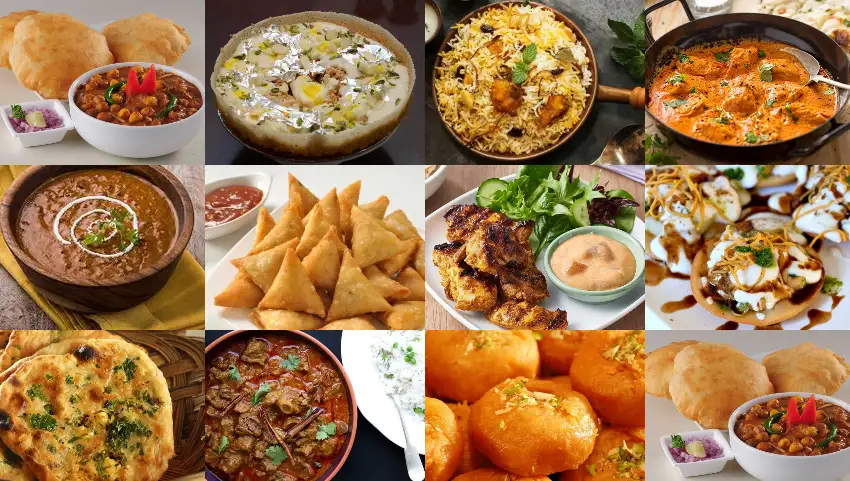
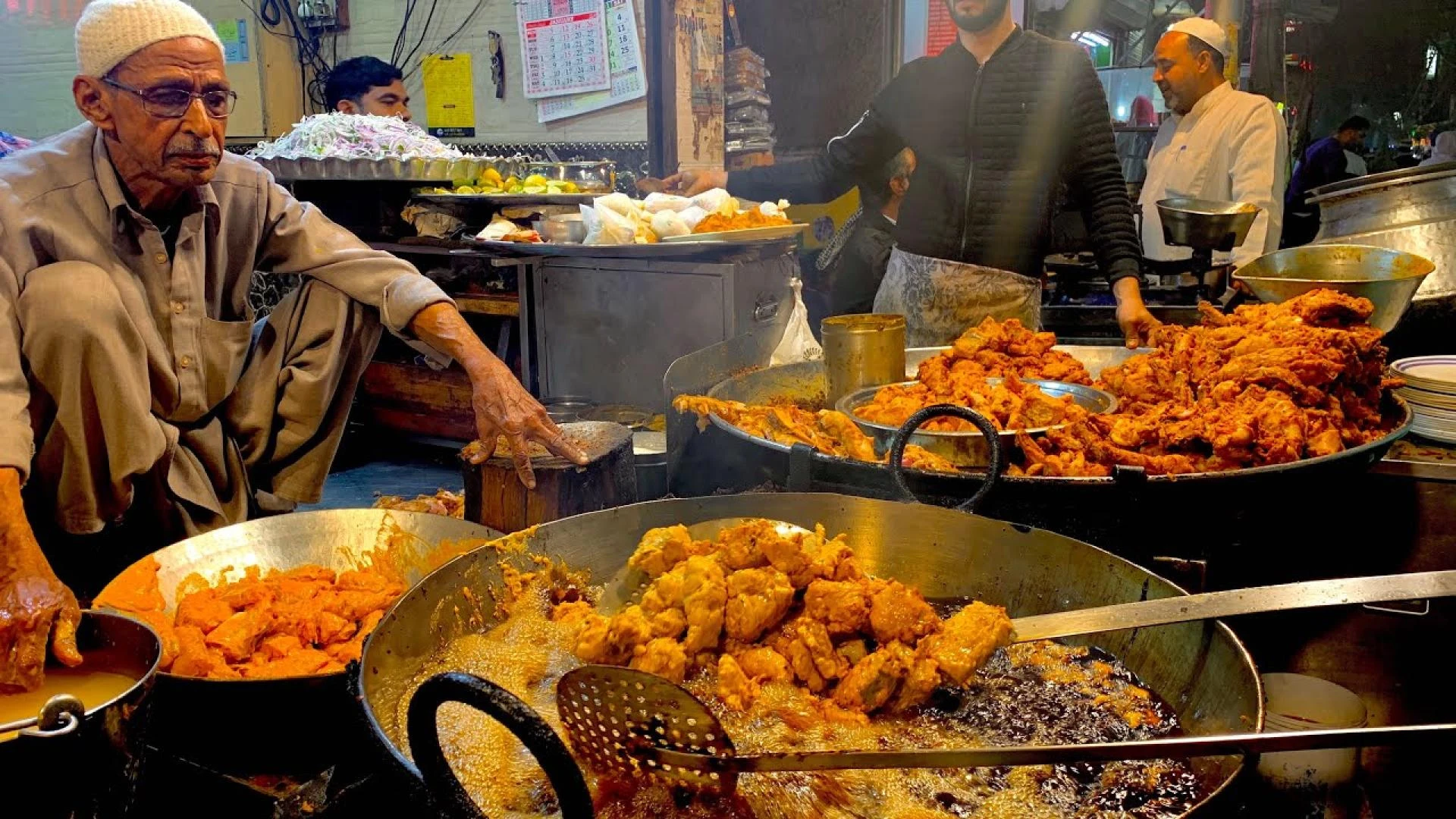
Jaipur’s street food scene brings these traditional flavors to the public in vibrant, affordable, and ready-to-eat forms. The lanes of Johari Bazaar and Bapu Bazaar come alive with sizzling pans, colorful chutneys, and the unmistakable aroma of deep-fried delights.
Among the must-tries:
- Pyaaz Kachori: A flaky, golden pastry stuffed with a spiced onion mixture
- Mirchi Vada: Large green chilies filled with potato masala, coated in gram flour and deep-fried
- Ghewar: A festive sweet soaked in sugar syrup, often topped with cream or rabri
- Lassi: Served thick and creamy in earthen pots, often flavored with saffron or rose
These street-side gems aren’t just snacks—they’re part of Jaipur’s cultural rhythm, best experienced on foot.
The Role of Spices in Jaipur’s Culinary Identity
What sets Jaipur’s food apart is its masterful use of spices. Rajasthani cooks use a broad range of locally sourced spices that lend depth without overpowering the natural ingredients. Turmeric, cumin, coriander, cloves, and asafoetida are staples in most dishes. Pickles and chutneys made from raw mango, garlic, and red chili also play an important role in balancing flavors.
These aren’t just flavoring agents—they are tied to Ayurvedic practices and seasonal dietary needs. Many of the traditional spice blends are still made at home, maintaining authenticity and nutritional value.
Heritage Recipes from Royal Kitchens
One of the most fascinating aspects of Jaipur’s food heritage is its connection to Rajput royalty. Recipes such as Laal Maas, a fiery red meat curry, and Safed Maas, a milder, creamy meat dish, were crafted in royal kitchens and served during grand feasts.
Unlike the typical North Indian curries, these dishes rely heavily on chili and yogurt instead of tomatoes and cream. Cooked slowly over hours, the flavor develops deeply, making each bite rich and unforgettable.
These recipes were once reserved for royalty, but today, local families and select restaurants keep them alive, preserving an important chapter of Rajasthani culture.
Where to Taste the Real Jaipur
While upscale restaurants offer polished versions of traditional Rajasthani fare, the most memorable meals are often found in family-run eateries or during curated walking tours. A well-guided jaipur food walk tour can uncover hidden spots where recipes haven't changed in decades.
Local halwais (sweet makers), traditional thali joints, and namkeen stores each offer a window into the everyday food rituals of the city. These are places where locals eat, share stories, and celebrate their heritage over simple, hearty meals.
Seasonal Specialties and Festive Delights
Jaipur’s food calendar is marked by the seasons and festivals. During Makar Sankranti, sesame and jaggery sweets take center stage. In monsoon, you’ll find more fried snacks like Pakoras and Makki ki Raab (a hot cornmeal-based drink) served to fight the damp chill. Diwali brings out boxes filled with dry fruit sweets, while Holi is incomplete without Gujiya and thandai.
These seasonal delights reflect how closely food is woven into daily life and spiritual customs. Eating in Jaipur is never just about satisfying hunger—it’s about experiencing the rhythm of life.
Vegetarian Traditions and Dietary Depth
A significant part of Jaipur's population follows vegetarianism, giving rise to a cuisine rich in plant-based protein and flavor. Lentils, beans, and chickpeas dominate the menu, supported by dairy, gram flour, and dry fruits. Even meat eaters will find themselves gravitating toward dishes like Ker Sangri, a wild berry and bean stir-fry native to the desert region, which offers a taste experience unlike any other.
Vegetarian cuisine here is not a compromise but a deeply satisfying alternative that reflects both tradition and innovation.
Final Thoughts: A Culinary Journey Like No Other
What makes Jaipur’s food truly stand out is the harmony between its royal roots and street simplicity. Whether it’s an intricately spiced curry passed down through royal lineages or a humble kachori sold from a cart at the market corner, each dish is a testament to Rajasthan’s cultural richness and resilience.
Experiencing traditional Jaipur food isn’t just about the meal—it’s about understanding the people, their history, and their way of life. From the first bite to the last sip of chai, you’re part of a story that spans centuries.









Sign in to leave a comment.