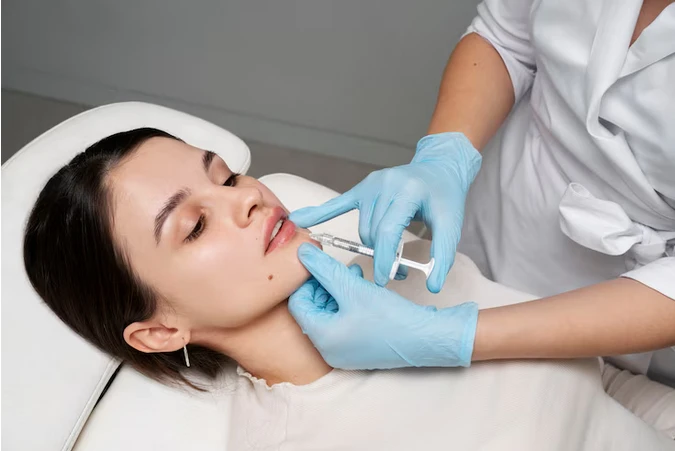

In the ever-evolving world of aesthetics, facial fillers have emerged as a popular choice for those seeking to enhance their natural beauty. These non-surgical treatments offer a solution for various concerns, from fine lines and wrinkles to volume loss in the cheeks and lips. However, before embarking on this journey, it is essential to understand what facial fillers in edinburgh are, how they work, and the considerations that should be taken into account to ensure a safe and satisfying experience.
Understanding Facial Fillers
Facial fillers, often referred to as dermal fillers, are injectable substances designed to restore lost volume, smooth out wrinkles, and enhance facial contours. The primary component of most fillers is hyaluronic acid, a naturally occurring substance in the body that helps maintain skin hydration and elasticity. As people age, the production of hyaluronic acid diminishes, leading to sagging skin and a loss of youthful plumpness. Fillers work by replenishing this substance, effectively "filling in" areas that have lost volume.
The versatility of facial fillers allows for a wide array of applications. For instance, they can be used to enhance the lips, soften the appearance of nasolabial folds (the lines running from the nose to the corners of the mouth), and add volume to the cheeks. Additionally, fillers can improve the overall texture of the skin, providing a smoother and more youthful appearance. However, it is crucial for individuals to have a clear understanding of their goals and expectations before receiving treatment.
Choosing the Right Provider
Selecting a qualified and experienced practitioner is perhaps the most critical step in the process of getting facial fillers. The landscape of aesthetic treatments is filled with diverse options, but not all providers possess the same level of expertise. It is essential to seek out professionals who are not only certified but also have a strong track record in administering dermal fillers.
When researching potential providers, individuals should consider scheduling consultations to discuss their concerns and desired outcomes. During these meetings, practitioners should be able to demonstrate their knowledge of facial anatomy, the types of fillers available, and the techniques they employ. A trustworthy provider will take the time to listen to their clients, ensuring that their expectations align with what is realistically achievable through the treatment.
The Treatment Process
The treatment process for facial fillers is relatively straightforward, typically involving minimal downtime. During the appointment, the practitioner will cleanse the area to be treated and may apply a topical anesthetic to minimize discomfort. Following this, the filler is injected using a fine needle or cannula. The entire procedure usually takes less than an hour, allowing individuals to return to their daily activities almost immediately.
Patients often experience some swelling or bruising at the injection sites, which should subside within a few days. It is advisable to avoid strenuous exercise, excessive sun exposure, and alcohol consumption for at least 24 hours post-treatment to help minimize side effects. The results of facial fillers are generally visible immediately, with optimal results becoming apparent after any initial swelling has subsided.
Potential Risks and Considerations
While facial fillers are generally considered safe, it is essential to be aware of potential risks and side effects. Some common side effects include temporary swelling, bruising, and redness at the injection sites. In rare cases, individuals may experience more severe reactions, such as allergic reactions or tissue necrosis. Therefore, it is imperative to choose a reputable provider who can assess individual medical histories and discuss any potential risks.
Moreover, individuals should have realistic expectations regarding the longevity of the results. Most fillers last between six months to two years, depending on the type of filler used and the area treated. Regular maintenance appointments may be necessary to sustain the desired look, which is an important factor to consider when planning for the future.
Aftercare and Maintenance
Aftercare is an essential aspect of the facial filler experience. Following treatment, clients will receive specific instructions on how to care for their skin to ensure optimal healing and results. This may include recommendations for gentle cleansing, moisturizing, and avoiding certain activities for a limited time.
It is also important to understand that while fillers can significantly enhance one’s appearance, they are not a permanent solution. Regular touch-ups and maintenance are crucial for those who wish to maintain their results. The frequency of these appointments will vary based on individual needs and the type of fillers used.
The Importance of Informed Decisions
Ultimately, the decision to undergo facial filler treatment should be an informed one. Individuals must research their options thoroughly, understand the procedure, and choose a qualified provider. By taking the time to consider all aspects of the treatment, clients can feel more confident and comfortable with their decision.
The growing popularity of fillers in cities like Edinburgh has led to an increase in the number of practitioners offering these services. As with any medical procedure, it is vital to ensure that the chosen clinic adheres to the highest standards of safety and professionalism.
In conclusion, for those considering facial fillers, the journey begins with education. Understanding the ins and outs of the treatment, along with the importance of selecting a reputable provider, can lead to a satisfying aesthetic experience. For individuals in Edinburgh seeking a trusted establishment for their aesthetic needs, Este Medical Group Edinburgh provides a wealth of expertise and a commitment to client satisfaction, ensuring that every journey towards beauty is a positive one.













Sign in to leave a comment.