Hydrotherapy is gaining attention as a gentle yet powerful way to support physical and mental health, especially for people living with a disability. For many NDIS participants, it’s more than just time in the water, it’s a path toward movement, freedom, and better wellbeing. If you're curious about how hydrotherapy fits into NDIS plans and Allied Health Services in Australia, you're in the right place.
What Is Hydrotherapy and How Does It Work?
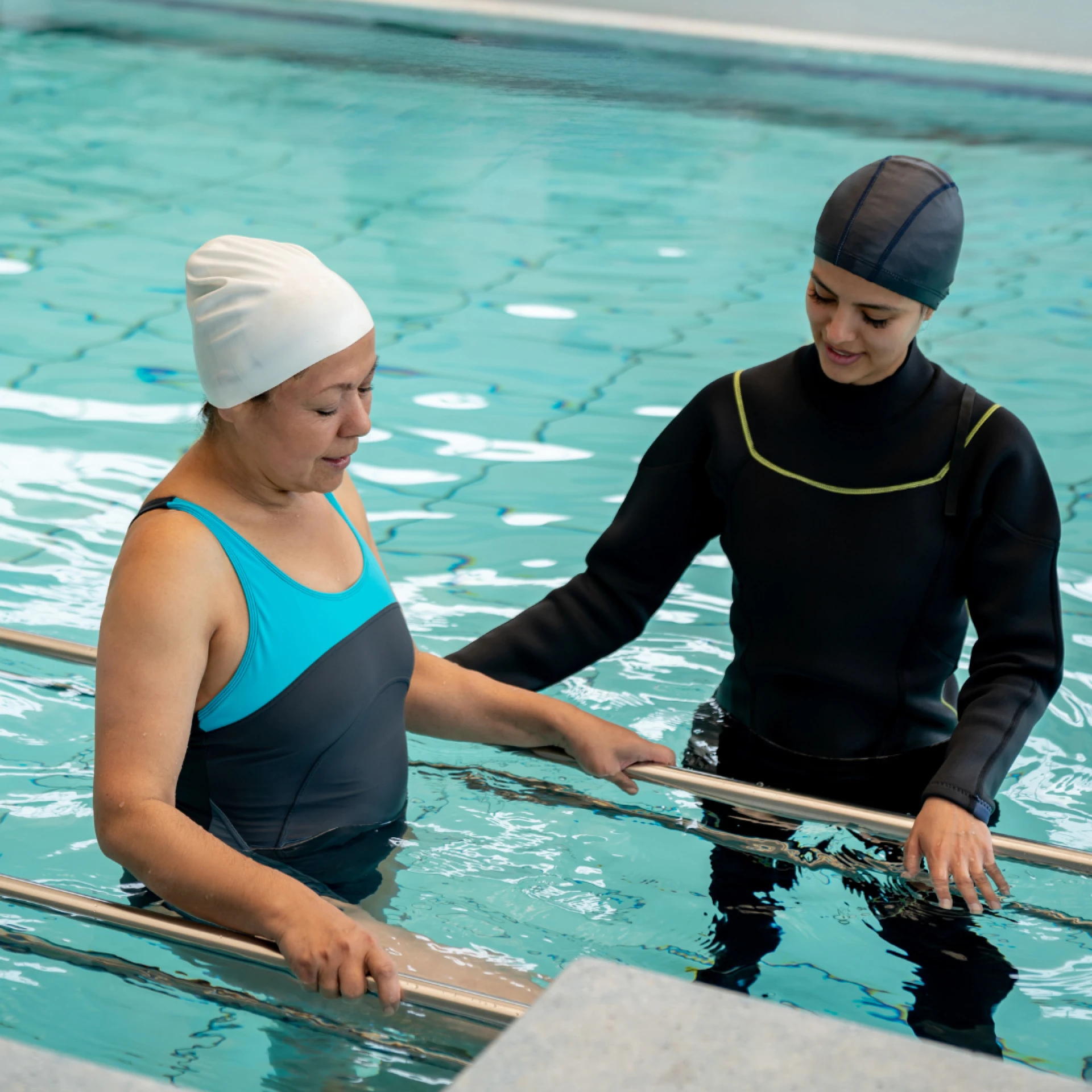
Hydrotherapy is a type of therapy done in warm water, often inside a specialised hydrotherapy pool. Unlike a typical swim, these sessions are led by qualified professionals, usually physiotherapists or exercise physiologists, who use water to help improve mobility, strength, and pain relief.
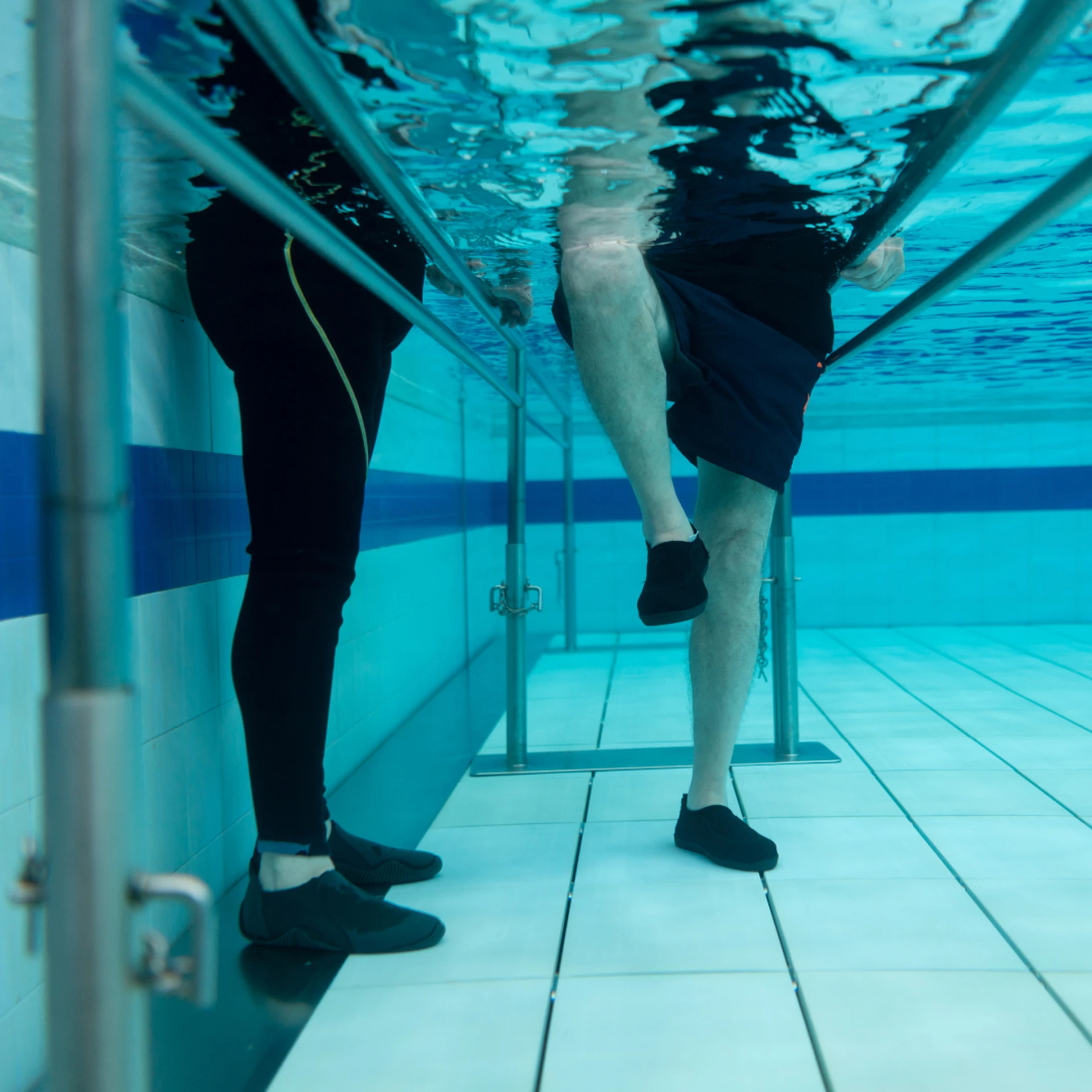
This isn’t about doing laps. It's a guided movement. The water provides resistance to help strengthen muscles, while the warmth soothes joints and nerves. The buoyancy supports the body and reduces strain, making it easier to move, stretch, and build confidence, especially for people with mobility limitations.
One of the main techniques used in this setting is called aquatic physiotherapy, where exercises are specifically tailored to your physical needs and NDIS goals.
Why NDIS Participants Are Turning to Hydrotherapy
Safe, Low-Impact Support for Mobility and Pain
For many NDIS participants, land-based therapy can be tough. Joints hurt. Balance is a challenge. In water, those concerns start to fade. The hydrotherapy pool provides a cushion against falls and impact, making movement safer and less painful.
Hydrotherapy is especially helpful for people with conditions like multiple sclerosis, cerebral palsy, arthritis, or post-stroke weakness. The warm water helps relax tight muscles and reduce inflammation, while gentle resistance builds strength over time.
Improved Confidence and Body Control
Many participants feel anxious or hesitant when moving on land. In the pool, that fear melts away. The feeling of being supported by water can be empowering. With guided therapy, people begin to trust their bodies more, often trying new movements they wouldn’t feel safe attempting elsewhere.
That sense of safety also improves balance and coordination, helping people build everyday movement skills in a supportive space.
Mental Wellbeing Benefits
Hydrotherapy isn’t just for the body. It’s good for the mind too.
Warm water promotes relaxation. Gentle movement boosts endorphins. Time in the pool can reduce anxiety, help regulate mood, and improve sleep. Many people feel calmer and more refreshed after sessions, not just physically, but emotionally too.
How Hydrotherapy Fits Into Allied Health Services in Australia
Hydrotherapy sits under the umbrella of Allied Health Services, which include physiotherapy, occupational therapy, speech pathology, and more. These services are essential in helping people with disability live more independently and reach their NDIS goals.
In this context, aquatic physiotherapy or hydro-based exercise physiology is often recommended alongside traditional therapy. For example, someone working on leg strength with a physio on land might also do leg exercises in the hydrotherapy pool to reduce pressure and increase range of motion.
These sessions are tailored to the individual and always align with broader therapy plans. That’s why they’re so effective, and why more providers are offering hydrotherapy Melbourne services that support NDIS participants.
Can NDIS Fund Hydrotherapy Sessions?
Funding It Through Your Plan
Yes, hydrotherapy can be funded through the NDIS, but how it’s funded depends on your goals and your plan.
Most people access it through the Capacity Building – Improved Daily Living category. You’ll usually need a recommendation from your physiotherapist, exercise physiologist, or GP explaining how hydrotherapy supports your plan goals. In some cases, Core funding may be used, especially if the service helps with daily living skills or mobility.
Working closely with your support coordinator or plan manager is key. They can help identify the right budget category and support you in finding the right provider.
Finding a Hydrotherapy Pool That Accepts NDIS
A quick search for hydrotherapy Melbourne brings up a range of clinics and centres that are NDIS-registered or willing to work with plan-managed participants. But not every pool is created equal.
Look for facilities with:
- Access ramps or hoists
- Experienced staff trained in disability support
- Private or small-group therapy sessions
- Comfortable, warm water (usually around 34–36°C)
It’s worth calling ahead to ask if the provider has experience working with NDIS participants and how they tailor therapy plans.
What to Expect in a Hydrotherapy Session
Your first session usually starts with a therapist getting to know your goals, comfort level, and mobility. They’ll create a plan just for you, no one-size-fits-all approach.
You might use pool noodles, floating boards, or water weights. Exercises can range from gentle stretches to slow walking or resistance moves, depending on what your body needs. You don’t need to be able to swim, in fact, most sessions are done in shallow water with constant support.
Therapists track progress regularly. Some participants start with 1–2 sessions a week and gradually build up based on results and goals.
Choosing the Right Hydrotherapy Provider in Melbourne
Melbourne has plenty of options, but choosing the right fit matters.
Start by checking if the provider is NDIS-registered or can work with self/plan-managed clients. Ask about the experience level of their therapists, do they specialise in aquatic physiotherapy? Are sessions run in groups or one-on-one?
The facility itself should feel safe and welcoming. Look for features like accessible changerooms, pool lifts, and attentive staff. Cleanliness and temperature control are important too, especially if you're dealing with chronic pain or sensitivity.
Common Concerns and How to Overcome Them
It’s normal to feel unsure before trying something new. Here’s what we often hear:
“Is it safe?”
Yes. Sessions are guided by trained professionals who know how to support a range of conditions. Water reduces injury risk, and you're never alone.
“Will it help?”
Most people notice improvements after a few sessions, but consistency is key. Like any therapy, it takes time and patience.
“What if I can’t swim?”
No swimming required. Most hydrotherapy happens in shallow water. Floating devices and therapist support are always available.
Taking the First Step Toward Better Health
Whether you're new to therapy or looking for an alternative to land-based sessions, hydrotherapy offers a gentle, effective path forward. With so many NDIS-friendly services now offering hydrotherapy Melbourne options, it’s easier than ever to get started.
Talk to your physio, support coordinator, or plan manager. Ask about adding hydrotherapy to your current goals. The water might just be the place where your next breakthrough happens.













Sign in to leave a comment.