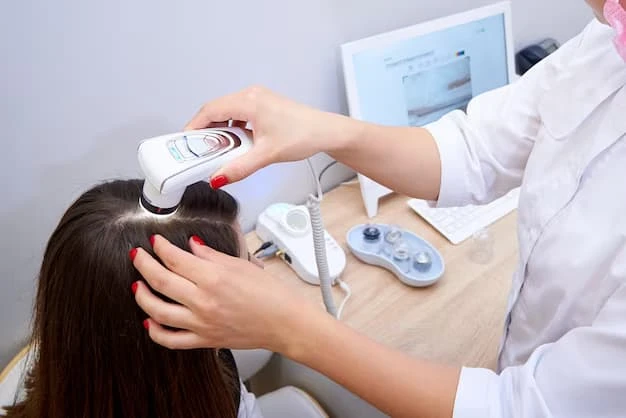

In an era where personal appearance plays a significant role in self-esteem and confidence, hair loss remains a common concern that affects millions globally. In Bristol, individuals experiencing hair thinning or baldness are increasingly turning to innovative solutions, including laser hair growth therapy. This non-invasive treatment option has gained attention for its potential to stimulate hair follicles and promote hair regrowth. This article delves into the science behind laser hair growth, its benefits, and what residents of Bristol can expect from this emerging treatment.
Understanding Hair Loss: The Basics
Before exploring the benefits of laser hair growth therapy, it is essential to understand the various causes of hair loss. Hair thinning can result from several factors, including genetics, hormonal changes, medical conditions, and lifestyle choices.
1. Genetic Factors
Androgenetic alopecia, commonly known as male or female pattern baldness, is the most prevalent cause of hair loss. This hereditary condition affects both men and women, leading to gradual thinning of hair. It is characterized by a receding hairline in men and diffuse thinning in women.
2. Hormonal Changes
Hormonal fluctuations can significantly impact hair growth. Conditions such as pregnancy, menopause, and thyroid disorders can lead to temporary or permanent hair loss. For instance, women may experience hair thinning during pregnancy due to hormonal shifts, while menopause can trigger changes in hair texture and density.
3. Medical Conditions
Certain medical conditions, such as alopecia areata, scalp infections, and autoimmune disorders, can also result in hair loss. Alopecia areata, for example, causes sudden hair loss in patches, affecting individuals of all ages.
4. Lifestyle Factors
Lifestyle choices such as poor nutrition, stress, and harsh hair treatments can contribute to hair loss. Nutritional deficiencies, particularly in vitamins and minerals essential for hair health, can lead to weakened hair follicles and increased shedding.
Understanding the underlying causes of hair loss is crucial when considering treatment options. It enables individuals to make informed decisions about their approach to hair restoration.
What is Laser Hair Growth Therapy?
Laser hair growth therapy, also known as low-level laser therapy (LLLT), is a non-invasive treatment designed to stimulate hair follicles and promote hair regrowth. This innovative approach utilizes specific wavelengths of light to penetrate the scalp, encouraging increased blood circulation and cellular activity.
The mechanism behind this therapy involves the absorption of laser light by the hair follicles. This light energy stimulates the production of adenosine triphosphate (ATP), a molecule that provides energy to cells. Consequently, the enhanced cellular metabolism promotes hair growth and revitalizes dormant hair follicles, leading to thicker and healthier hair.
Benefits of Laser Hair Growth Therapy
As laser hair growth in Bristol, many individuals are discovering its potential benefits. Here are some key advantages of this treatment:
1. Non-Invasive and Painless
One of the most appealing aspects of laser hair growth therapy is its non-invasive nature. Unlike surgical options such as hair transplants, laser therapy does not require incisions or anesthesia. The procedure is painless and typically lasts around 30 minutes, making it a convenient option for individuals with busy schedules.
2. Suitable for Various Hair Types
Laser hair growth therapy is suitable for individuals of all hair types and colors. The treatment is effective for both men and women experiencing hair thinning or loss, regardless of the underlying cause.
3. Minimal Side Effects
Compared to other hair restoration methods, laser therapy has minimal side effects. Patients may experience slight warmth or tingling during the treatment, but these sensations are generally mild and temporary. There is no downtime associated with the procedure, allowing individuals to resume their daily activities immediately.
4. Promotes Overall Scalp Health
In addition to stimulating hair growth, laser therapy can improve overall scalp health. The increased blood circulation promotes nutrient delivery to hair follicles, potentially enhancing the health of existing hair and preventing further loss.
5. Safe and FDA-Cleared
Laser hair growth therapy is considered a safe treatment option, with numerous studies supporting its efficacy. Many devices used for this therapy have received FDA clearance, indicating that they meet established safety and effectiveness standards.
What to Expect During Treatment
For individuals considering laser hair growth therapy in Bristol, understanding what to expect during the treatment process is essential for a positive experience.
1. Initial Consultation
The journey typically begins with an initial consultation with a qualified healthcare professional. During this meeting, the practitioner will assess the individual’s hair loss condition, discuss medical history, and establish realistic expectations for the treatment outcome.
2. Treatment Sessions
Laser hair growth therapy usually requires multiple sessions to achieve optimal results. Patients typically undergo treatment once or twice a week over several months. Each session lasts around 30 minutes, during which the patient sits comfortably while the laser device is applied to the scalp.
3. Monitoring Progress
Following the completion of the initial treatment phase, the practitioner will monitor the patient’s progress and determine the need for additional sessions. Many individuals begin to notice visible improvements in hair density and thickness within a few months of consistent therapy.
Combining Laser Therapy with Other Treatments
While laser hair growth therapy can be highly effective on its own, many individuals choose to combine it with other hair restoration treatments for enhanced results. This multifaceted approach can address various aspects of hair loss and optimize overall outcomes.
1. Topical Treatments
Topical treatments, such as minoxidil, are commonly used alongside laser therapy. Minoxidil is an FDA-approved solution that promotes hair growth and is often recommended for individuals experiencing androgenetic alopecia. Combining minoxidil with laser therapy can maximize hair regrowth potential.
2. Nutritional Supplements
Incorporating nutritional supplements rich in vitamins and minerals essential for hair health can also support the effectiveness of laser therapy. Biotin, vitamin D, and iron are among the nutrients that play a crucial role in promoting healthy hair growth.
3. Healthy Lifestyle Choices
Adopting a healthy lifestyle that includes a balanced diet, regular exercise, and stress management can further enhance the results of laser hair growth therapy. Proper nutrition provides the body with the necessary building blocks for hair health, while exercise promotes circulation and overall well-being.
Considerations for Laser Hair Growth Therapy
Before embarking on laser hair growth therapy, individuals should consider several factors to ensure they make informed decisions:
1. Realistic Expectations
While laser therapy has shown promising results, it is essential to maintain realistic expectations. Results may vary based on individual factors such as the severity of hair loss and adherence to the treatment regimen.
2. Commitment to Treatment
Consistency is key when it comes to laser hair growth therapy. Individuals must commit to attending regular sessions to achieve optimal results. Those who are unable to maintain a consistent schedule may not experience the desired outcomes.
3. Consultation with Professionals
Working with qualified healthcare professionals is crucial for a successful treatment experience. Individuals should seek consultations with practitioners experienced in laser hair growth therapy to ensure they receive personalized care and guidance.
Conclusion
As the demand for effective hair restoration solutions continues to grow, laser hair growth therapy has emerged as a promising option for individuals in Bristol seeking to combat hair loss. With its non-invasive nature, minimal side effects, and potential for significant results, laser therapy offers a convenient and effective approach to revitalizing hair growth.
For those considering this innovative treatment, Este Medical Group Bristol provides expert guidance and tailored solutions to meet individual needs. By embracing the potential of laser hair growth therapy, individuals can take proactive steps toward achieving healthier, fuller hair and enhancing their overall confidence. As technology continues to advance, laser therapy represents a beacon of hope for those navigating the challenges of hair loss.



Sign in to leave a comment.