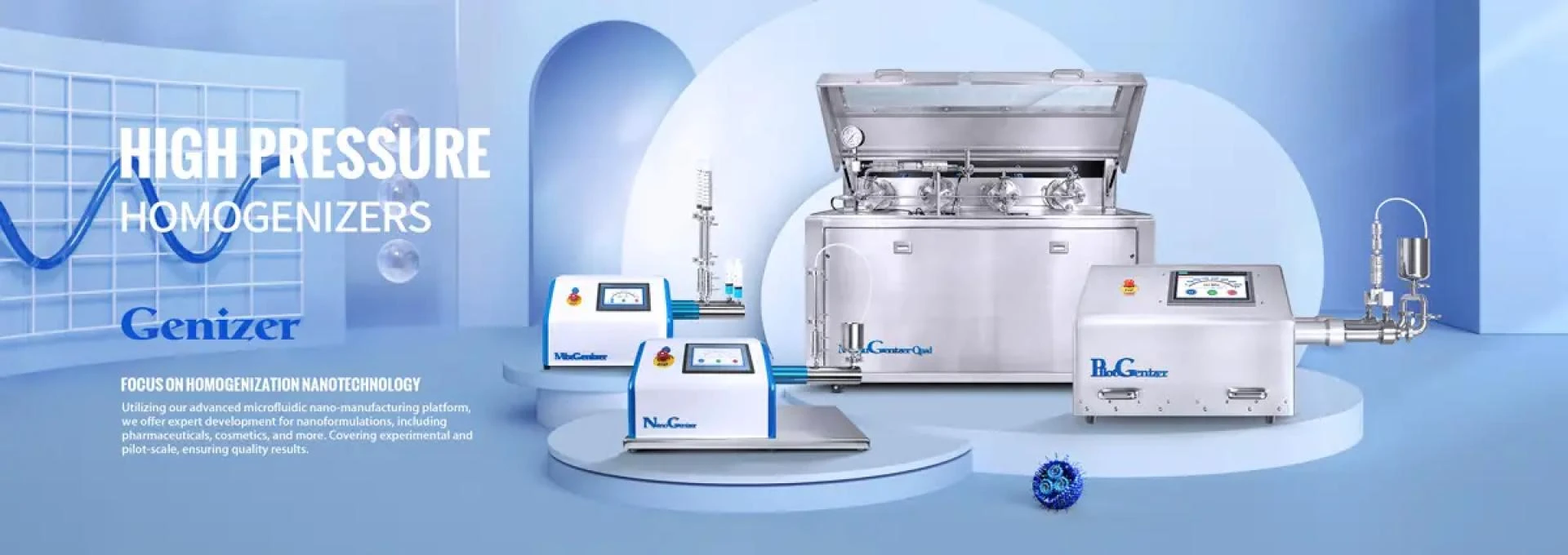

High-pressure homogenization (HPH) offers notable advantages for disrupting E. coli cells, a common task in biotechnology and microbiology. This technique employs intense pressure to force cell suspensions through a narrow gap, causing the cells to rupture due to shear forces, turbulence, and cavitation.
One significant benefit of HPH is its efficiency in producing uniform and consistent cell disruption. This consistency is crucial for maximizing the recovery of intracellular products, such as recombinant proteins, enzymes, and nucleic acids. By ensuring thorough cell lysis, HPH helps increase the yield of these valuable biomolecules, which is essential for research and industrial applications.
HPH also excels in preserving the integrity of sensitive molecules. The process can be carefully controlled to minimize heat generation, which reduces the risk of thermal degradation of heat-sensitive compounds. This feature is particularly beneficial when working with delicate proteins or other sensitive substances.
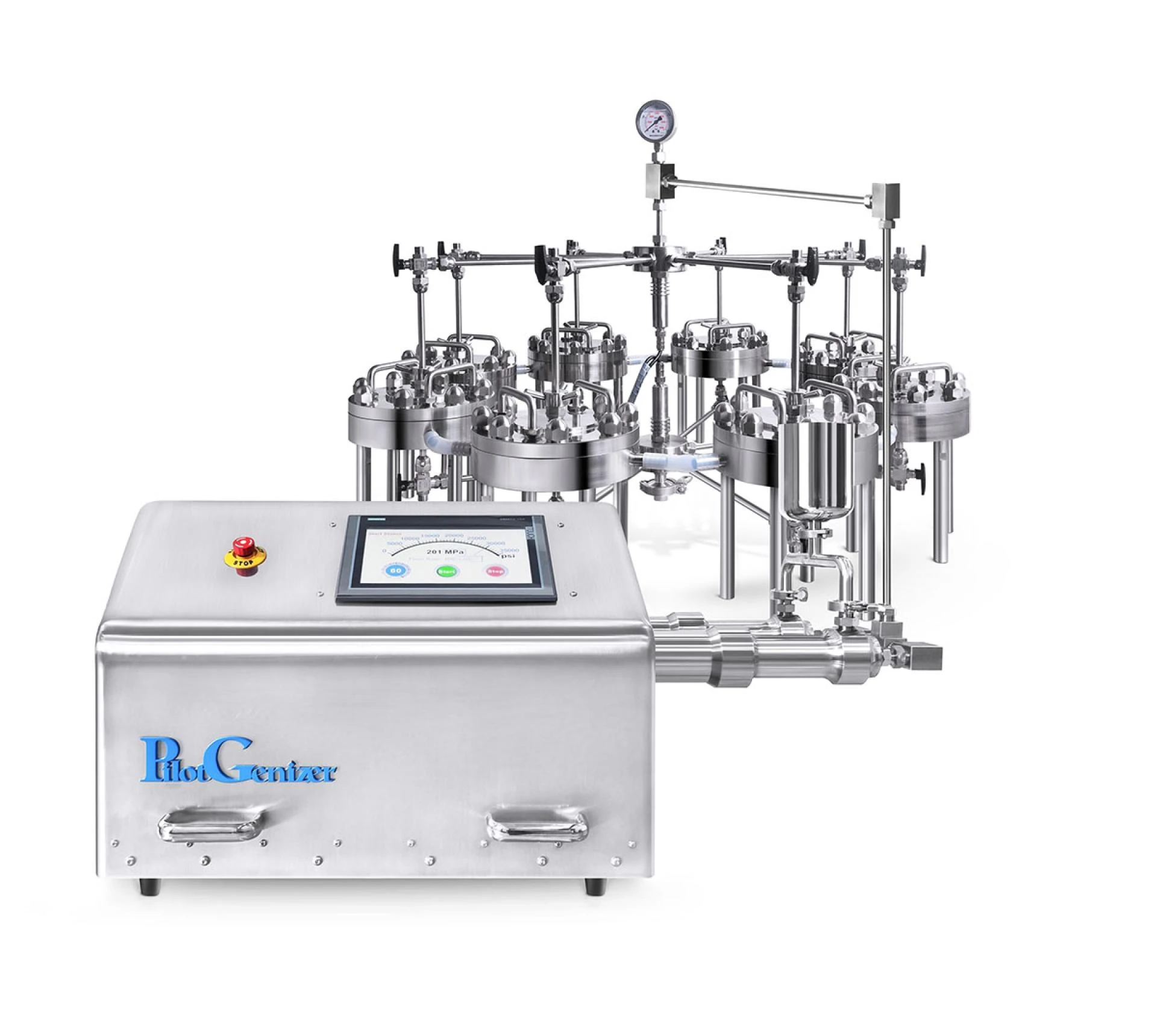
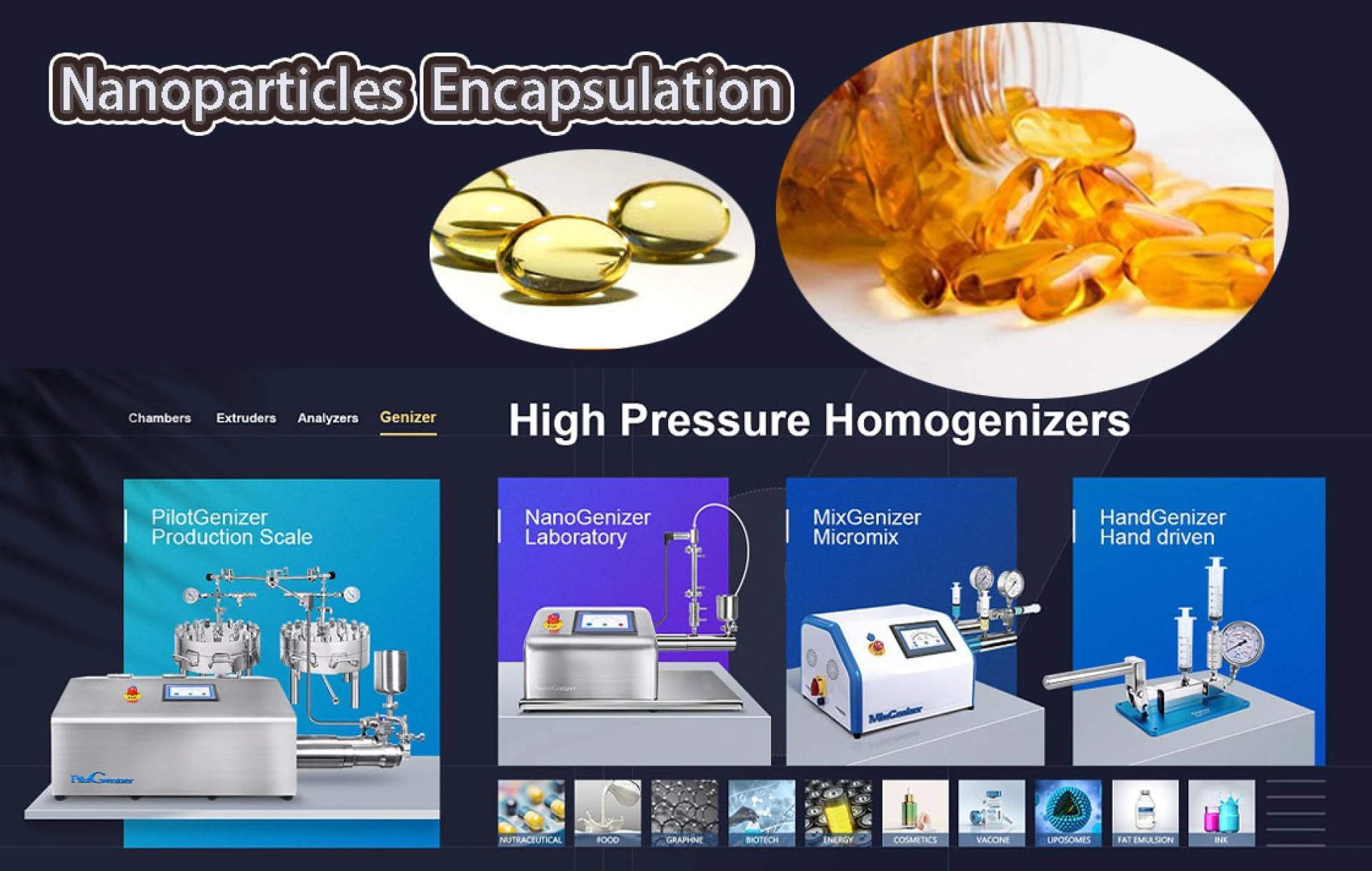
Furthermore, HPH is highly scalable, making it suitable for both small-scale laboratory experiments and large-scale industrial production. This scalability, combined with the method\'s speed and reliability, makes HPH a cost-effective solution for cell disruption across various applications.
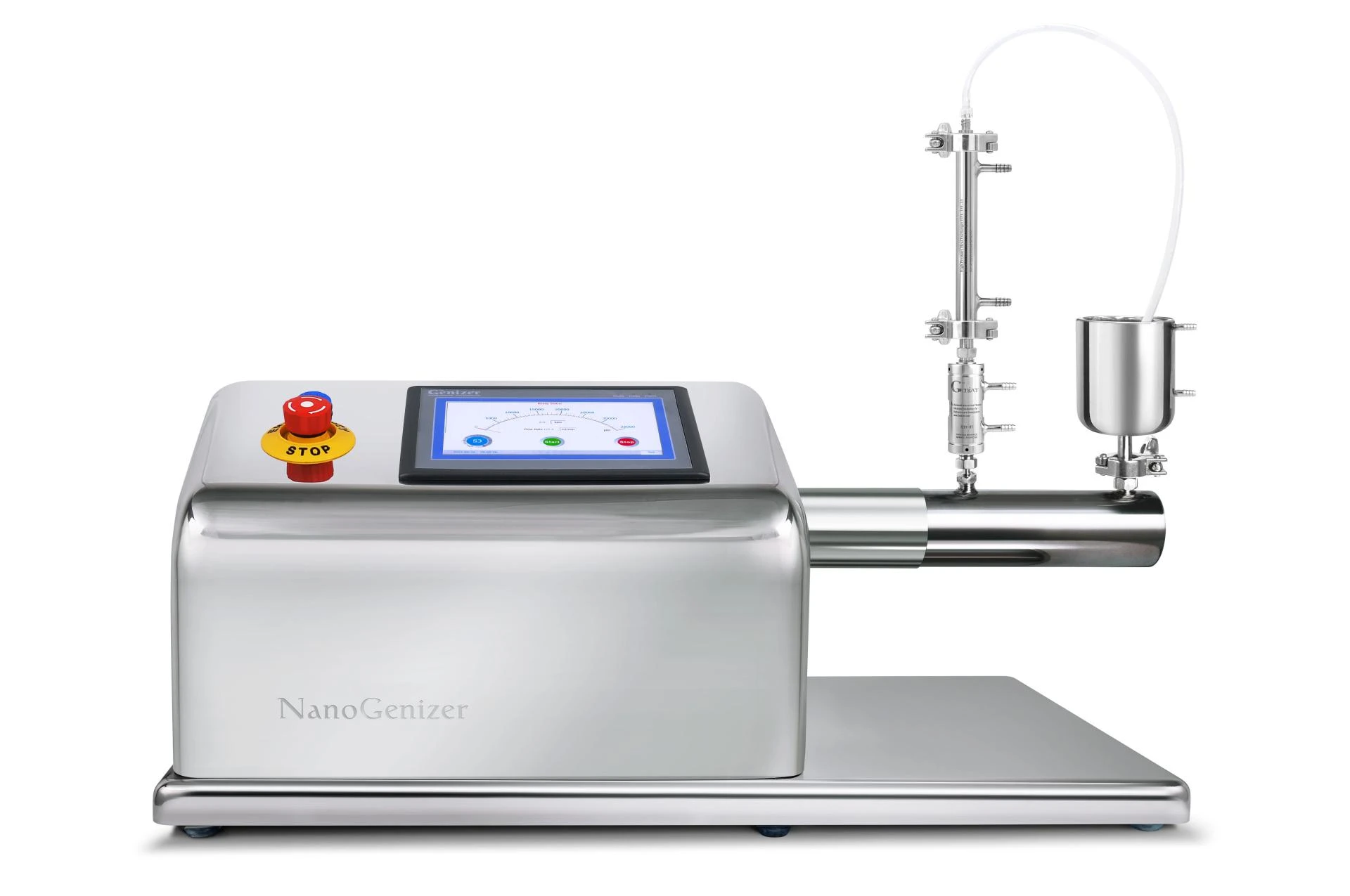
For those looking to leverage these benefits, the Genizer high-pressure homogenizer provides an advanced solution, offering enhanced performance and consistent results for E. coli cell disruption.









Sign in to leave a comment.