
Missing teeth can affect much more than just the appearance of your smile. They can impact your ability to chew, speak clearly, and even change the shape of your face over time. Fortunately, dental implants have become one of the most effective and long-lasting solutions for tooth replacement. They look, feel, and function like natural teeth, making them a popular choice for patients seeking a permanent solution.
If you’ve been considering implants but aren’t sure which option might be right for you, it’s worth exploring the different types of dental implants available. With modern technology and techniques, dentists can tailor treatment to meet the unique needs of each patient.
What Are Dental Implants?
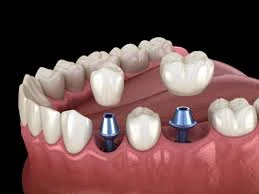
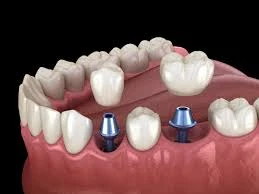
A dental implant is a small, screw-like post—typically made of titanium—that is surgically placed into the jawbone to act as an artificial tooth root. Once it fuses with the bone in a process called osseointegration, the implant provides a stable foundation for a crown, bridge, or even full dentures. Because of their strength and durability, implants are widely regarded as the gold standard for replacing missing teeth.
Benefits of Dental Implants
Before diving into the different options, it’s important to understand why implants stand out compared to other tooth replacement methods:
· Natural Appearance: Implants closely resemble real teeth in both look and feel.
· Durability: With proper care, they can last decades—or even a lifetime.
· Improved Function: Patients can chew and speak comfortably without worrying about shifting teeth.
· Bone Preservation: Implants stimulate the jawbone, preventing the bone loss that often occurs with missing teeth.
With these benefits in mind, let’s take a closer look at the main categories of implants used in modern dentistry.
The Main Types of Dental Implants
1. Endosteal Implants
The most common option, endosteal implants are placed directly into the jawbone. Once the surrounding gum tissue heals, a second procedure is required to attach the artificial tooth. These implants are known for their strength and stability, making them a great choice for most patients with healthy jawbones.
2. Subperiosteal Implants
Instead of being placed into the bone, subperiosteal implants sit on top of the jawbone but beneath the gum tissue. They are typically used for patients who don’t have enough healthy bone to support endosteal implants and who may not want—or be eligible for—bone grafting procedures.
3. Zygomatic Implants
Though less common, zygomatic implants are an alternative for patients with significant bone loss in the upper jaw. These implants are anchored in the cheekbone (zygoma) instead of the jawbone. Because the procedure is more complex, it requires an experienced dentist or oral surgeon.
4. All-on-4 Implants
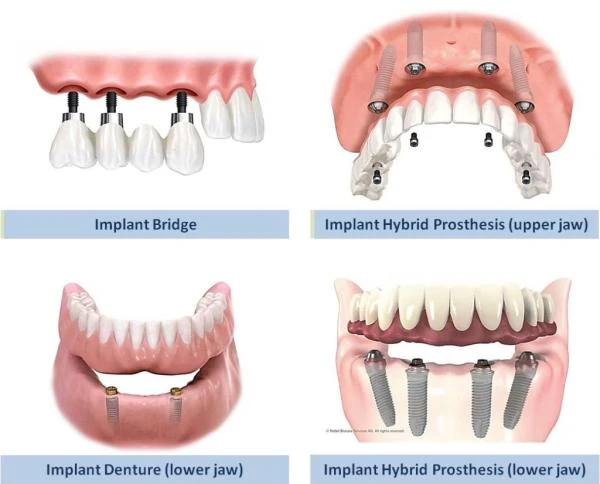
For patients missing most or all of their teeth, All-on-4 implants can be life-changing. This method uses just four strategically placed implants to support a full arch of replacement teeth. It’s a cost-effective and efficient option that often avoids the need for extensive bone grafting.
5. Mini Implants
Smaller in diameter than traditional implants, mini implants are often used to stabilize dentures or replace smaller teeth. They are less invasive and usually require a shorter healing period, making them a good solution for certain cases.
Choosing the Right Option
Every patient’s needs are different. Factors such as jawbone density, the number of teeth missing, overall oral health, and budget all play a role in determining which implant type will be most effective. That’s why it’s essential to consult with a skilled dental professional who can guide you through the options and create a treatment plan tailored to your smile.
Why Trust Mesadental?
At Mesadental, patients receive expert guidance and access to a wide range of implant solutions. The clinic focuses on advanced technology, precise surgical techniques, and a patient-first approach to care. Whether you’re considering a single implant or a full-mouth restoration, Mesadental’s team ensures that every treatment plan is personalized for the best long-term outcome.
Patients particularly appreciate the clinic’s ability to explain the pros and cons of each implant type in detail, helping them make an informed decision. From consultation through recovery, the Mesadental team emphasizes comfort, safety, and lasting results.
The Dental Implant Process: What to Expect
Understanding the process can help ease concerns and prepare you for treatment:
1. Consultation and Planning: The dentist evaluates your oral health, takes digital scans, and discusses your goals.
2. Implant Placement: A surgical procedure places the implant into the jawbone (or alternative anchoring site).
3. Healing and Integration: Over a few months, the implant fuses with the bone to create a strong foundation.
4. Restoration: A custom crown, bridge, or denture is attached to the implant for a natural-looking result.
Final Thoughts
Exploring the different types of dental implants is the first step toward restoring both function and beauty to your smile. Whether you need a single tooth replacement or a full-mouth solution, implants provide a reliable, long-lasting answer.
By choosing an experienced provider like Mesadental, you can feel confident that your treatment will be carefully planned and executed with your unique needs in mind. A healthy, radiant smile is closer than you think—thanks to the many options modern dentistry has to offer.












Sign in to leave a comment.