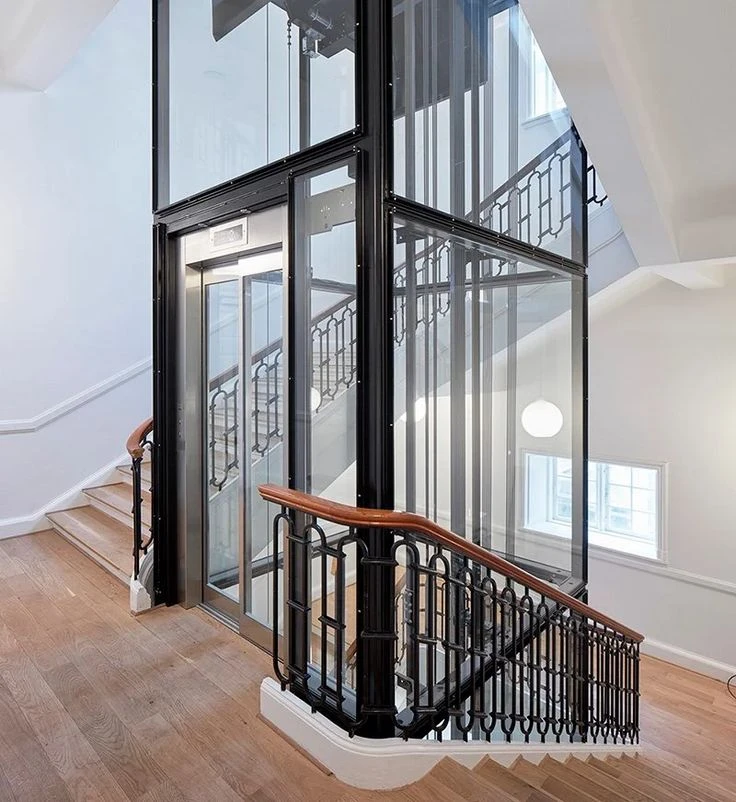
In today’s architecture, vertical mobility is no longer a luxury—it’s a necessity. Whether it's a high-rise office tower, a residential apartment, a hospital, or a shopping mall, lifts play a crucial role in ensuring accessibility, efficiency, and convenience. But not all lifts are created equal. Understanding the various types of lifts in buildings can help developers, architects, and property owners make informed decisions that align with both functionality and design.
Let’s take a closer look at the most common lift types, their applications, and how to choose the right one for your building.
🚪 Why Lifts Matter in Modern Architecture
Lifts are more than just transportation devices—they’re integral to the user experience of a building. The right lift system can:
- Improve accessibility for people with disabilities or mobility challenges
- Enhance safety and reduce physical strain
- Increase property value and appeal
- Optimize space and traffic flow
- Support operational efficiency in commercial settings
Choosing the right lift starts with understanding the types of lifts in buildings and their unique features.
🏗️ Common Types of Lifts in Buildings
Here’s a breakdown of the most widely used lift systems in modern construction:
1. Passenger Lift
- Designed to carry people between floors.
- Found in residential buildings, offices, hotels, and malls.
- Available in various capacities and speeds.
2. Goods Lift
- Built to transport heavy items, not people.
- Used in warehouses, factories, and retail stores.
- High load capacity and durable construction.
3. Service Lift (Dumbwaiter)
- Small lift for transporting food, documents, or supplies.
- Common in restaurants, hospitals, and libraries.
- Compact and efficient for light-duty tasks.
4. Hospital Lift
- Specially designed for stretchers, wheelchairs, and medical equipment.
- Spacious cabins and smooth operation.
- Prioritizes hygiene and emergency access.
5. Car Lift
- Used to move vehicles between floors in parking structures.
- Hydraulic or traction-based systems.
- Ideal for space-saving in urban developments.
6. Home Lift
- Compact lift for private residences.
- Enhances accessibility and convenience.
- Often designed with aesthetic customization.
7. Scissor Lift
- Platform lift with a crisscross mechanism.
- Used for maintenance, construction, or low-rise cargo movement.
- Mobile or fixed installation options.
Each of these types of lifts in buildings serves a specific purpose, and choosing the right one depends on your building’s function and layout.
⚙️ Lift Mechanisms: Hydraulic vs. Traction vs. Pneumatic
Beyond the type of lift, the mechanism that powers it also matters. Here are the three main systems:
MechanismDescriptionBest ForHydraulicUses fluid pressure to move the liftLow to mid-rise buildingsTractionUses ropes and counterweightsMid to high-rise buildingsPneumaticUses air pressure in a vacuum tubeCompact residential installations
Understanding the mechanism helps you evaluate energy efficiency, installation requirements, and long-term maintenance.
🧭 Choosing the Right Lift for Your Building
When selecting among the types of lifts in buildings, consider these key factors:
- Building height and number of floors
- Expected traffic and usage frequency
- Load capacity requirements
- Available space for shaft and machinery
- Aesthetic and design preferences
- Budget and maintenance costs
- Compliance with safety and accessibility standards
For example, a high-rise office may need a high-speed traction passenger lift, while a boutique hotel might benefit from a stylish home lift and a compact dumbwaiter for room service.
💰 Cost and Installation Overview
Lift installation costs vary widely depending on type, size, and technology. Here’s a general estimate:
Lift TypeApproximate Cost (INR)Installation TimePassenger Lift₹6–12 lakhs4–6 weeksGoods Lift₹5–10 lakhs3–5 weeksHome Lift₹4–8 lakhs2–4 weeksHospital Lift₹10–15 lakhs5–7 weeksCar Lift₹12–20 lakhs6–8 weeks
Always factor in long-term service contracts and energy consumption when budgeting.
🌟 Innovations in Lift Technology
Modern lifts are evolving rapidly, with features that enhance safety, efficiency, and user experience:
- Touchless controls: Improve hygiene and convenience.
- Smart elevators: Use AI for traffic prediction and energy optimization.
- Regenerative drives: Convert excess energy into reusable power.
- Voice-activated systems: Assist users with disabilities.
- Glass cabins and designer finishes: Add aesthetic appeal to luxury buildings.
These innovations are being integrated across various types of lifts in buildings, making them smarter and more user-friendly.
🧠 Final Thoughts
Understanding the types of lifts in buildings is essential for creating spaces that are accessible, efficient, and future-ready. Whether you're building a residential complex, a commercial tower, or a specialized facility, the right lift system can elevate both form and function.
From passenger lifts to car elevators, each type serves a unique purpose. By evaluating your building’s needs and consulting with experienced lift providers, you can ensure a solution that’s safe, stylish, and sustainable.
Ready to take your building to the next level—literally? The perfect lift is waiting to be installed.










Sign in to leave a comment.