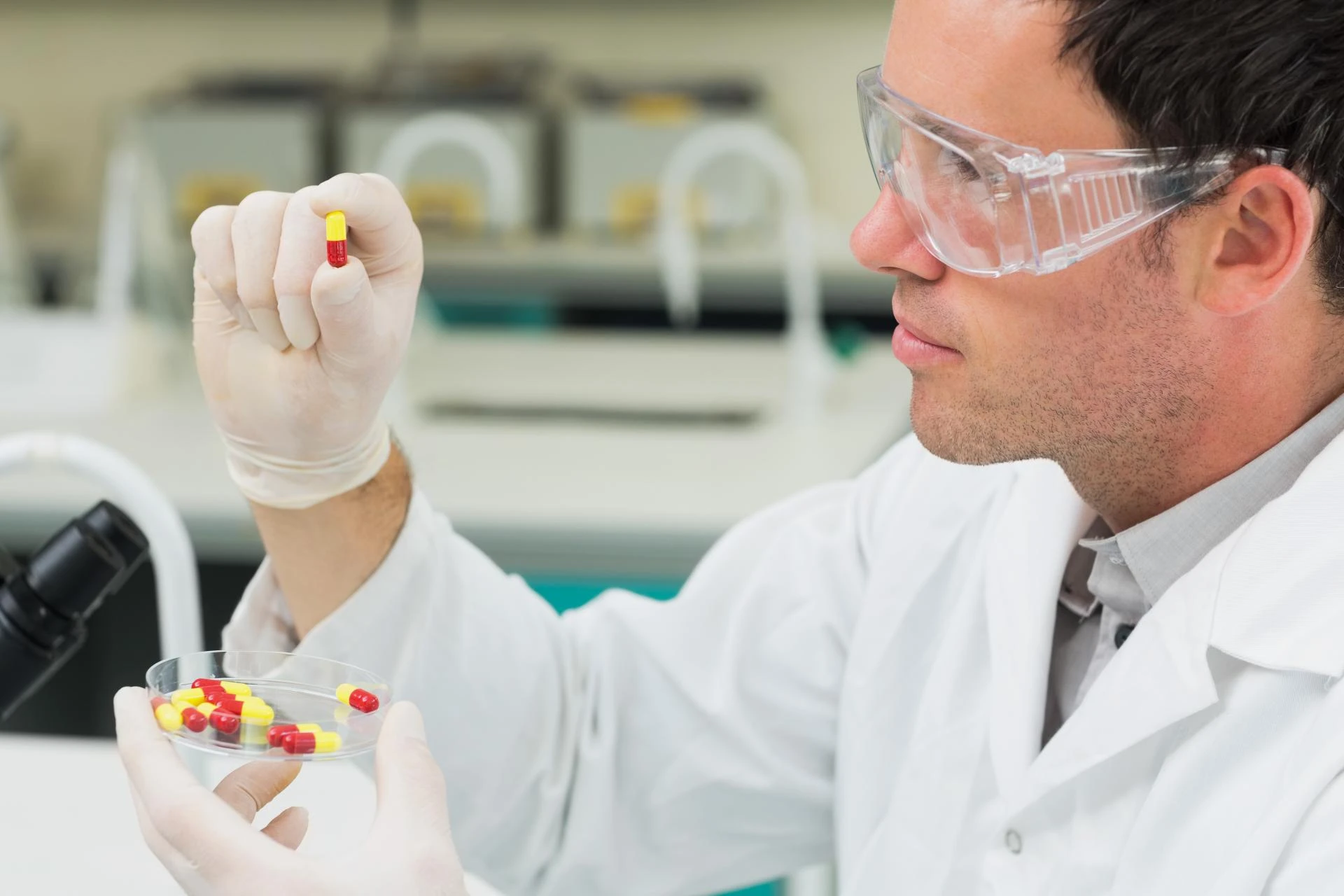

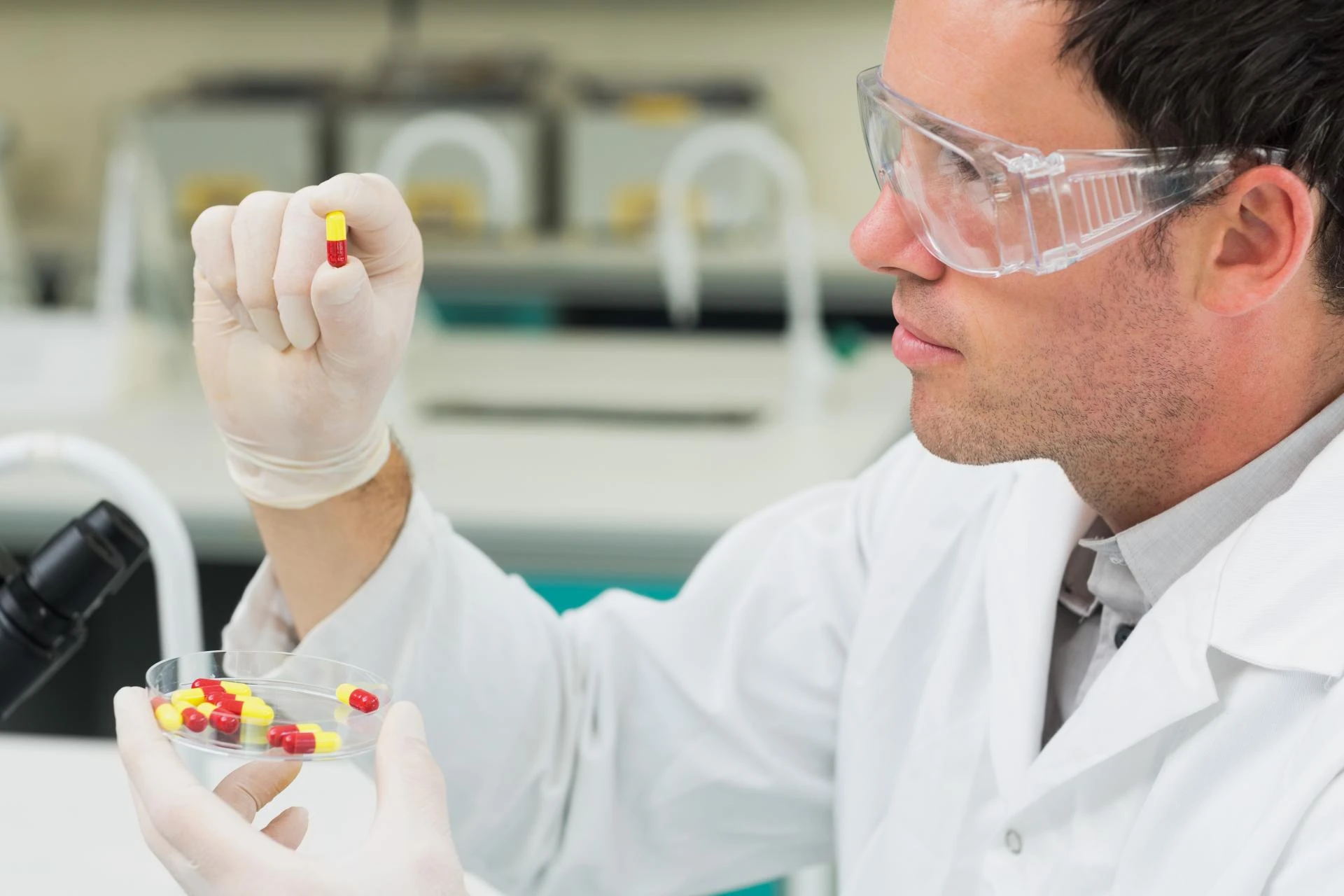
In the intricate and highly regulated world of pharmaceutical manufacturing, the journey from raw materials to the final drug product is a complex and critical process. One of the key components in this journey is pharma intermediates. These substances play an indispensable role in drug production, often working behind the scenes to ensure the creation of safe, effective, and high-quality medications. Let’s dive deeper into what pharma intermediates are, why they are crucial, and how they shape the pharmaceutical industry.
What Are Pharma Intermediates?
Pharmaceutical intermediates are chemical compounds produced during the synthesis of active pharmaceutical ingredients (APIs) that serve as stepping stones toward the creation of the final drug product. In simpler terms, they are substances that are neither the final product nor the raw materials but are essential for synthesizing the active ingredients needed for drug formulation.
These intermediates are typically produced in multiple stages throughout the synthesis process. After an intermediate is created, it can undergo further chemical reactions, modifications, or purification to eventually yield the API, which is then formulated into the final drug product, such as tablets, capsules, or injections.
Why Are Pharma Intermediates Important?
Pharmaceutical intermediates are the foundation of the drug manufacturing process, and without them, the production of high-quality, effective medicines would be impossible. Here's why they are so important:
- Ensuring Efficient Production: The drug manufacturing process can involve numerous chemical reactions and procedures. Intermediates streamline the process by acting as precursors that can be transformed into the final product with greater efficiency. This not only speeds up production but also reduces waste and minimizes the risk of errors.
- Consistency and Quality Control: To maintain the quality and consistency of pharmaceutical products, strict control measures must be followed throughout production. Intermediates are crucial in ensuring that each batch of the active ingredient is consistent, which in turn ensures that the final drug product is safe and effective.
- Cost-Effectiveness: Developing a new drug can be an expensive and lengthy process. Pharma intermediates allow manufacturers to break down the production into manageable steps, ensuring that resources are used efficiently and minimizing production costs.
- Regulatory Compliance: Pharma intermediates play a key role in helping manufacturers meet the stringent regulatory standards required by health authorities such as the FDA, EMA, and WHO. These intermediates must be produced and tested under highly controlled conditions to ensure that the final drug is safe for consumption.
- Customization of Formulations: Pharma intermediates enable the customization of drug formulations. By manipulating these intermediates, manufacturers can create drugs with different release profiles, dosages, and forms (e.g., oral tablets, injectables, etc.), tailored to specific therapeutic needs.
The Path from Intermediates to Active Pharmaceutical Ingredients (APIs)
The process of transforming pharma intermediates into APIs is highly intricate. It often requires a series of chemical reactions, purification steps, and rigorous testing to ensure that the API is of the highest quality. Let’s look at the typical stages of this transformation:
- Synthesis of Intermediates: This is the first step in drug manufacturing, where raw materials (such as basic chemicals or biologics) are transformed into pharma intermediates. The specific chemicals produced depend on the drug being synthesized.
- Conversion to Active Pharmaceutical Ingredients: Once intermediates are produced, they undergo further chemical transformations to become the API. This is the core step in creating the drug’s therapeutic effect.
- Purification: After the API is created, it must undergo purification to remove any impurities and ensure it is suitable for human use. This step is critical for meeting the required safety and efficacy standards.
- Formulation: After purification, the API is formulated into its final dosage form (e.g., tablets, injectables, creams). The pharma intermediates are often used as part of the formulation process to create the final drug product.
- Testing and Quality Control: Throughout the entire process, rigorous testing ensures that every batch meets strict quality standards. The final product must be tested for its potency, purity, stability, and safety before being approved for market distribution.
Types of Pharma Intermediates
Pharma intermediates can be classified into several categories depending on their role and application in drug manufacturing:
- Organic Intermediates: These are the most common type and include chemical compounds such as acids, alcohols, and esters that are involved in the chemical synthesis of APIs.
- Biochemical Intermediates: These intermediates are used in the production of biologic drugs. They are derived from natural sources or are biotechnologically engineered to facilitate the production of complex biologics.
- Specialty Intermediates: These intermediates are used for specific purposes in drug production, such as creating specialized drug formulations, improving stability, or enhancing drug absorption.
Challenges in Pharma Intermediate Production
While pharma intermediates are critical to drug manufacturing, their production comes with several challenges:
- Sustainability and Raw Material Sourcing: The sourcing of raw materials for pharma intermediates can sometimes lead to supply chain disruptions. Companies must navigate the challenges of sourcing sustainable, high-quality raw materials while minimizing environmental impact.
- Complex Manufacturing Processes: The synthesis of pharma intermediates can involve complex chemical processes that require precision. Manufacturers must ensure they have the right expertise and equipment to produce these intermediates consistently.
- Regulatory Oversight: Pharma intermediates are heavily regulated by health authorities. Manufacturers must comply with Good Manufacturing Practices (GMP) and other regulatory guidelines to ensure the safety and efficacy of intermediates and the final drug product.
- Cost Pressures: The cost of producing high-quality pharma intermediates can be significant. Drug manufacturers need to balance quality and cost-effectiveness while maintaining a competitive edge in the market.
Conclusion
Pharma intermediates are unsung heroes in the drug manufacturing process, playing a crucial role in the synthesis of active pharmaceutical ingredients and the production of safe, effective, and high-quality medications. Their importance cannot be overstated as they ensure efficient production, regulatory compliance, and cost-effectiveness in the pharmaceutical industry. As the pharmaceutical sector continues to evolve, the role of pharma intermediates will remain integral to the development of life-saving drugs and therapies.















Sign in to leave a comment.