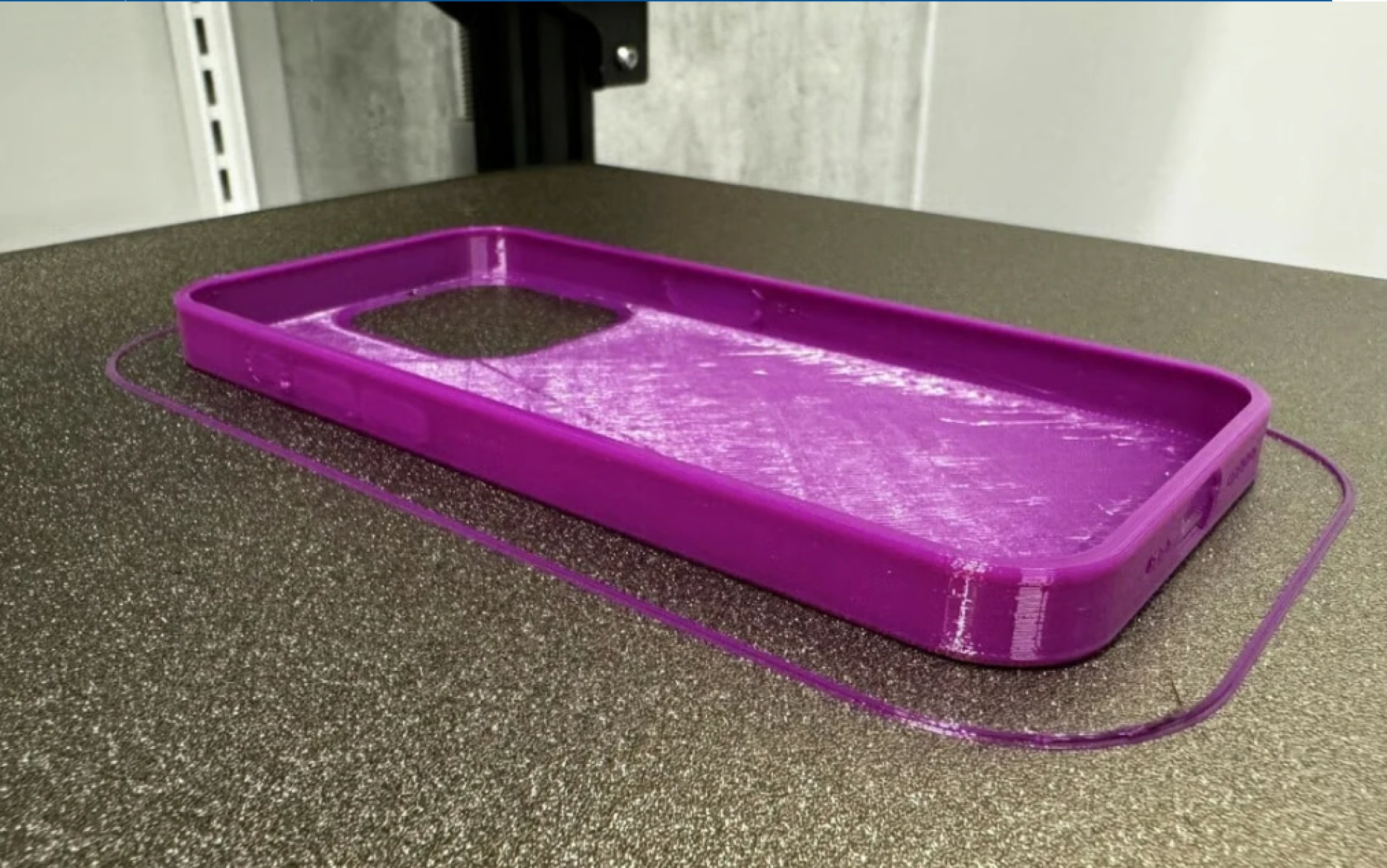

Looking for some flexible prints but don’t know where to start? Read on to learn all you need to know about 3D printing TPU!
These days, 3D printing is more accesssible than ever. Chances are that, if you’re reading this article, you’ve been using a 3D printer for a while and might be wondering what else you can print.
Besides the practically infinite number of 3D models you could print, there’s another dimension that can broaden your 3D printing experience: printing materials — from simple, more printing-friendly materials like PETG and modified versions of PLA, such as PLA+ and Tough PLA, all the way up to stronger, trickier-to-print filaments like carbon fiber-reinforced nylon. Having so many options, you may wonder which should be part of your next adventure.
In this article, we’ll tell you about a particular category of 3D printing materials: flexible filaments, specifically thermoplastic polyurethane — better known as TPU filament.
What Is TPU?
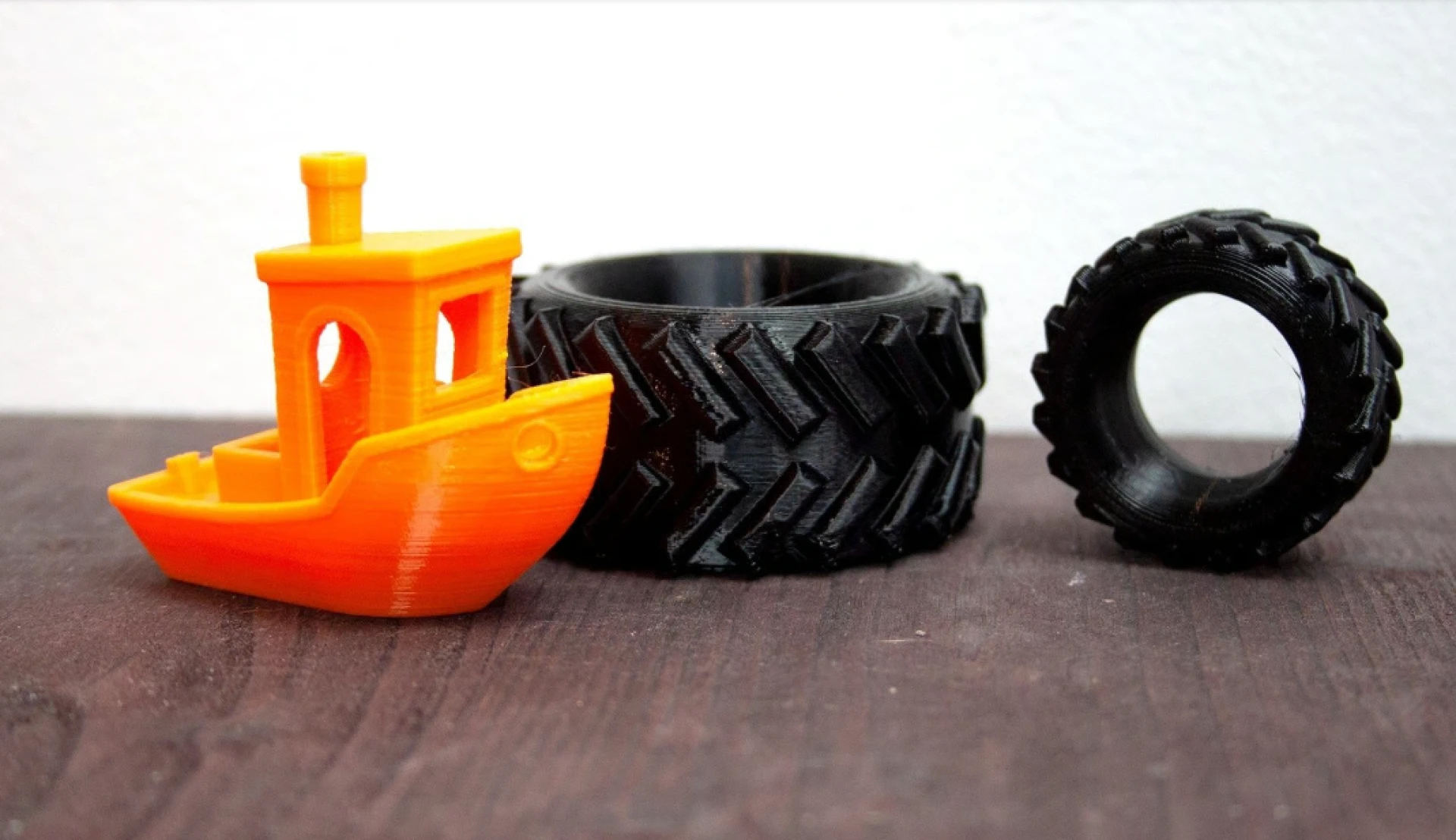
TPU is one of the most common 3D printing materials for FDM printers. As a flexible material, it’s known for being elastic, shock-absorbing, and resistant to heat and chemicals. Additionally, it’s one of the most durable materials and offers greater layer adhesion than rigid materials like PLA and PETG. These unique properties make it a perfect fit for a wide spectrum of applications.
TPU and other flexible filaments are typically defined by a measure of their resistance to deformation — in other words, their Shore hardness. The Shore hardness scale ranges from 0 to 100. The greater the number, the harder the material and, hence, the less flexible.
TPU usually scores between 85A and 95A, being one of the most rigid of the flexible filaments. The letter next to the number refers to the type of plastic. The Shore A scale is used for soft rubber, elastomers, and natural rubber.
Many companies have expanded their filament assortment by including TPU and other flexible filaments. Some popular brands like NinjaTek and Overture are known for providing good quality TPU filaments, but there are many more options.
Another aspect to keep in mind when dealing with TPU is its hygroscopic nature, which means it absorbs a lot of moisture from the environment. To overcome this problem, you can use a dry box, which heats up the filament to dehumidify it and get it ready for printing.
Applications
TPU’s unique mechanical properties lend themselves to a wide range of practical and niche uses. From custom phone cases, gaskets, and vibration-dampening mounts, to wearable prototypes, prosthetic components, and even drone landing gears, TPU excels in areas where traditional plastics fall short. In industrial environments, it’s often used for seals, bushings, and components that need to endure constant flexing or movement. Makers have also found great success using TPU in the home, for items such as non-slip furniture feet, flexible cable holders, and waterproof enclosures. As flexible 3D printed parts become more desirable in everyday projects, TPU is bridging the gap between prototype and end-use product, especially as more FDM printers are being optimized for soft filament compatibility.
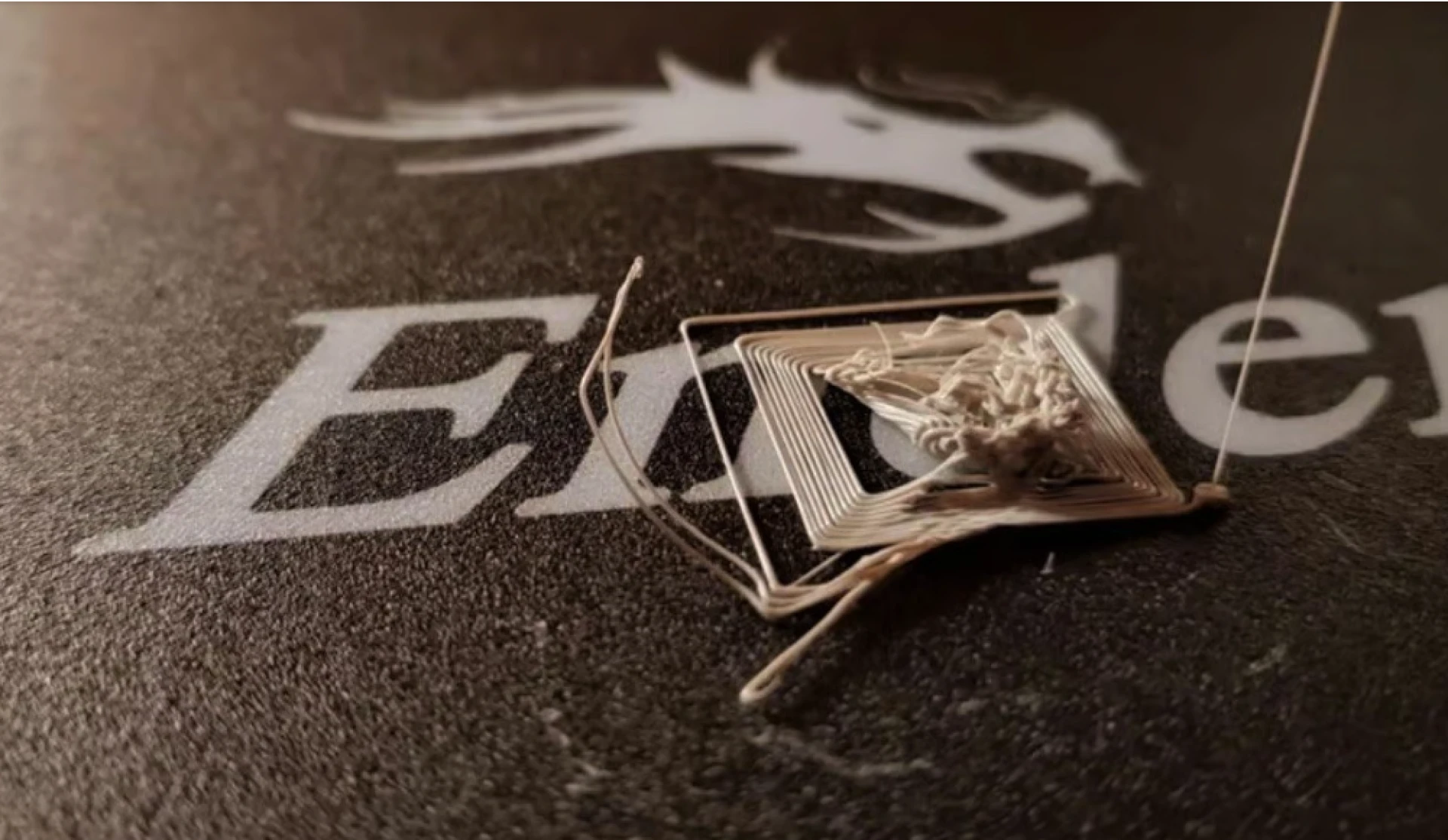
Despite its benefits, TPU presents several challenges during printing. Its soft and elastic nature makes it prone to stringing, under-extrusion, and clogging, particularly in Bowden tube systems where the filament must be pushed over a long distance. Direct drive extruders are generally preferred for printing TPU due to their precise control. Additionally, TPU is highly hygroscopic, meaning it easily absorbs moisture from the air. Printing with damp filament can lead to poor layer adhesion, bubbles, and a rough surface finish. To mitigate this, storing TPU in a dry box or using a filament dryer before printing is essential. Printing at lower speeds (20–30 mm/s), with moderate retraction settings and slightly elevated bed and nozzle temperatures (around 220–240°C for the nozzle and 40–60°C for the bed), usually yields the best results. With careful preparation, TPU can significantly expand a 3D printer’s utility, allowing users to produce durable, flexible parts for both functional and creative use cases.











Sign in to leave a comment.