

Faith has long served as a source of grounding, comfort, and guidance for individuals facing emotional struggles. For many, a spiritual community represents more than a place of worship—it is a sanctuary where individuals feel seen, valued, and supported. Today, religious communities are increasingly recognizing their role not only in spiritual development but also in emotional and psychological well-being. Through intentional support, structured programs, and compassionate connection, faith-based groups can foster deep healing and personal growth.
The Intertwining of Faith and Emotional Wellness
Emotional healing is not solely an internal process. It is shaped by relationships, belonging, and the environment in which a person lives. Houses of worship—whether churches, mosques, temples, or spiritual centers—offer a unique context where individuals can confront pain while also being reminded of hope and meaning. Faith provides language for suffering and renewal, helping individuals see challenges as journeys rather than failures.
When someone feels overwhelmed by grief, anxiety, or life transitions, the presence of a caring spiritual community can be immensely reassuring. This sense of connection nurtures a deeper resilience. It reminds individuals that their stories do not end in sorrow, but continue through learning, grace, and support.
The Power of Listening and Presence
Healing begins with being heard. Many individuals who seek emotional relief are not looking for immediate solutions, but understanding. Spiritual leaders, mentors, and peer support groups create safe spaces for honest conversation. In these spaces, one’s pain is not minimized or dismissed—it is honored.
Religious communities that cultivate active listening practices promote a culture where vulnerability is accepted. In such environments, individuals are encouraged to express fears, frustrations, hopes, and doubts without fear of judgment. The simple act of sitting with another person in their distress communicates: You are not alone. Your pain matters.
Encouraging Meaning-Making and Spiritual Reflection
Faith traditions often emphasize reflection, introspection, and exploration of personal purpose. These practices encourage individuals to examine their emotional experiences with compassion rather than criticism. Spiritual reflection can help individuals:
- Identify emotional burdens that need attention
- Recognize patterns of thought or behavior shaped by past wounds
- Understand their reactions to stress or change
- Reframe adversity through a lens of growth
This process does not negate emotional struggle—it transforms it. It helps individuals view healing as both a personal and communal journey.
The Role of Training and Prepared Guidance
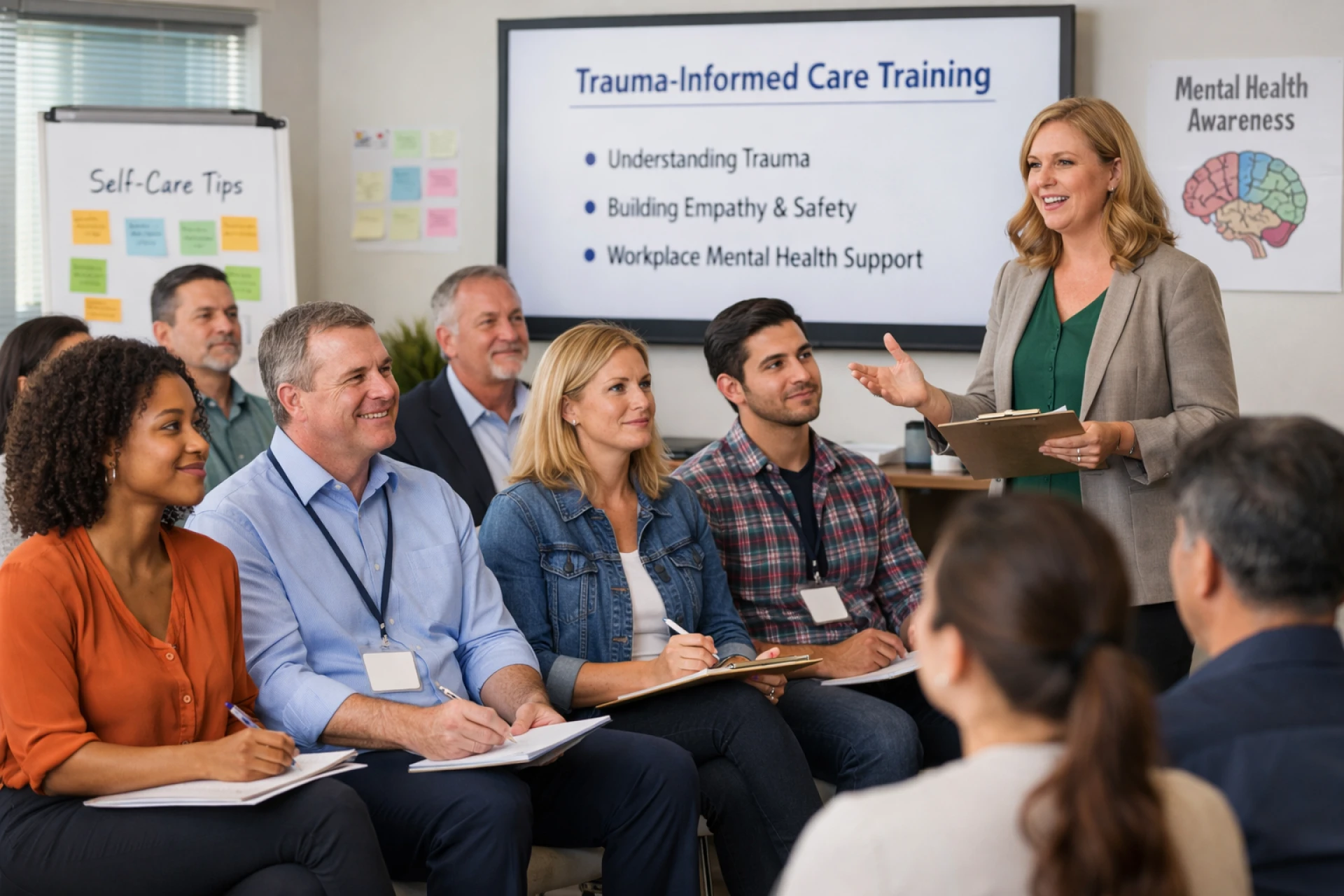
Many spiritual communities are embracing more formal approaches to emotional support. Programs such as Religious Community Training Programs OKC equip community members, leaders, and volunteers with tools to recognize emotional distress and provide appropriate guidance. These training initiatives emphasize communication skills, boundary setting, empathetic listening, and informed referral practices.
Likewise, Faith Based Counseling Training OKC prepares spiritual caregivers to address emotional and mental health challenges with sensitivity and awareness. These programs do not replace professional therapy but complement it. They ensure that when someone seeks help within a faith setting, they encounter support that is informed, ethical, and compassionate.
Such training strengthens the bridge between spiritual care and mental health resources. It fosters collaboration between religious communities, counselors, and wellness providers—ultimately expanding the network of healing available to individuals.
Community Support: A Shared Journey Toward Wholeness
Faith communities are powerful because they embody shared experience. When individuals gather to study, worship, volunteer, or simply share a meal, they cultivate solidarity. This unity forms the foundation of emotional healing. It reminds people that life’s challenges are navigated not in isolation, but alongside others.
Small groups, prayer circles, mentoring relationships, and service projects can all serve as avenues of emotional restoration. These experiences encourage connection, accountability, and belonging—key elements of psychological resilience.
Rituals as Pathways to Renewal
Rituals have an extraordinary psychological impact. Whether a moment of shared silence, lighting a candle, singing together, or participating in communal prayer—rituals create rhythm and meaning in times of uncertainty. They allow individuals to pause, breathe, and realign with purpose. Rituals help connect individuals to something larger than themselves, granting perspective during moments of emotional overwhelm.
Encouraging Growth, Not Perfection
A supportive religious community recognizes that healing is not linear. Emotional growth requires patience, grace, and time. The role of the community is not to demand perfection, but to provide encouragement. Struggles, questions, and setbacks are acknowledged as part of the journey toward wholeness.
In this environment, individuals learn to forgive themselves, accept their humanity, and embrace ongoing transformation.
A Call to Nurture Compassion and Connection
Religious communities have the capacity to cultivate profound healing. By embracing emotional care as an essential expression of faith, they empower individuals to navigate life with courage and hope. Through structured training, compassionate presence, and meaningful spiritual practices, religious communities can serve as powerful catalysts for recovery, renewal, and growth.
Healing thrives where faith and empathy meet. When religious communities intentionally nurture emotional well-being, they do more than support individuals—they strengthen the shared fabric of trust, understanding, and love that binds the community together.


Sign in to leave a comment.