
When you manage a large-scale construction or restoration site, controlling sediment runoff is a primary technical challenge. If you do not contain loose soil effectively, you risk heavy fines from environmental agencies and permanent damage to nearby water bodies. Many developers are moving away from traditional plastic silt fences in favor of eco-friendly sediment control methods. These natural systems offer a more reliable way to filter water while ensuring your project remains in full compliance with local and federal regulations.
Effective sediment management is not just about stopping water; it is about filtering it correctly. Natural fibers, specifically those derived from coconut husks, provide a dense, three-dimensional matrix that traps soil particles while allowing water to pass through at a controlled rate. This prevents the "damming" effect often seen with plastic barriers, which can lead to sudden collapses and catastrophic sediment discharge during heavy rain events.
Implementing BioD-Watl Systems for Perimeter Control
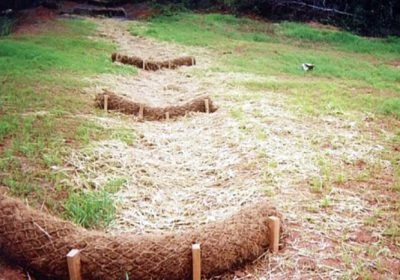
For many large developments, the first line of defense is the perimeter. You can replace traditional silt fences with high-performance coir wattles to create a more stable and effective boundary. These wattles are flexible enough to follow the natural contours of your land, ensuring there are no gaps where water can escape. Unlike plastic fences that often tear or sag, a well-installed wattle stays in place and maintains its shape throughout the duration of the project.
When you install these wattles, you should trench them slightly into the soil to prevent "undercutting," which is when water flows beneath the barrier. Because the fiber is biodegradable, you do not have to worry about removing plastic debris once the project is finished and vegetation is established. The wattle eventually breaks down into organic matter, saving you the labor costs associated with removing and disposing of synthetic waste.

Protecting Steep Slopes with BioD-Mat Blankets
Large-scale developments often involve significant grading that leaves steep slopes exposed to the elements. If you leave these areas unprotected, a single storm can wash away tons of topsoil. Using heavy-duty woven coir blankets provides immediate stabilization. These mats are specifically designed to handle the high shear stresses found on steep inclines and in drainage channels where water velocity is high.
These blankets work by shielding the soil from the impact of raindrops, which is the initial cause of erosion. The open-weave design of the BioD-Mat series allows you to seed the area before or after installation. The fibers hold the seeds in place and maintain the necessary moisture levels for germination. This leads to a faster transition from a raw construction site to a fully vegetated, stable environment.
Managing High-Flow Channels and Drainage Areas
In areas where water is concentrated, such as temporary diversion channels or permanent swales, you need a sediment control solution that can handle constant flow. Traditional straw blankets often fail in these conditions because they lack the tensile strength to resist moving water. High-strength coir products are the better choice for these high-flow zones because they do not float or rot quickly.
By using coir logs or blocks in these channels, you create "check dams" that slow down the water. This reduction in speed allows suspended sediment to settle out of the water column before it leaves your site. You can stack these logs to meet the specific height requirements of your drainage plan. This method is highly effective for protecting downstream wetlands and sensitive aquatic habitats from siltation.
Mine Restoration and Severe Site Recovery
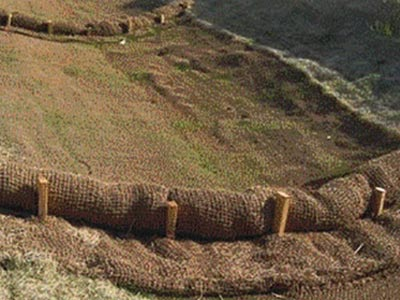
Restoring a mine site or a severely damaged industrial area requires a long-term approach to sediment management. These sites often have poor soil quality and extreme slopes that make vegetation establishment difficult. You must use products that provide several years of functional life to give native plants enough time to build a deep root system.
Coir-based systems are ideal for mine restoration because they provide a stable surface for several years. During this time, the fibers catch blowing dust and organic debris, slowly building up a layer of fertile material. This process helps transform a barren site back into a functioning ecosystem. Because these materials are plastic-free, they do not interfere with the return of local wildlife or the growth of woody plants and trees.
Strategic Planning for B2B and B2C Applications
Whether you are a design engineer specifying products for a multi-million dollar highway project or a homeowner fixing a backyard washouts, the principles of sediment management remain the same. You must choose a product that matches the specific flow rates and slope angles of your site. Do not cut corners by using lower-quality temporary materials on projects that require multi-year stability.
Professional design engineers often specify the BioD- brand name because they know the material has been tested for performance. For contractors, having a supplier that maintains a large inventory is essential for keeping a project on schedule. When you use these specialized tools, you are taking a stand against the environmental damage caused by large synthetic companies. You are ensuring that your work leaves the land better than you found it.
Achieving Long-Term Stability
Managing sediment on a large scale requires a commitment to quality and a clear understanding of your site's needs. By choosing nature-based erosion control solutions, you protect your project from regulatory failures and environmental accidents. Integrating coconut fiber wattles and biodegradable wattles into your perimeter plan ensures that no soil leaves your site illegally. If you are ready to secure your site, RoLanka International provides high-performance coir fiber soil stabilization and sediment control products. We are here to help you "do it right the first time and save the environment" with free technical assistance and a wide range of BioD- solutions.
Contact them to find out more today.
About the Author
The author is an environmental consultant specializing in soil bioengineering and watershed management. With a focus on practical, nature-based solutions, he helps project managers and contractors transition away from synthetic materials to high-performance organic alternatives. He is dedicated to educating the industry on sediment control techniques that promote rapid vegetation growth and long-term land stability.










Sign in to leave a comment.