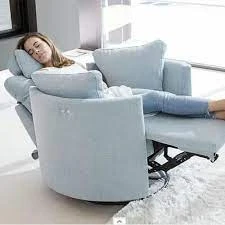

Living with arthritis can be challenging, especially when it comes to finding comfort in everyday activities like sitting. Fortunately, investing in the right recliner chair can make a world of difference in managing arthritis symptoms. In this comprehensive guide, we'll explore the key factors to consider when selecting the best recliner chair for arthritis, ensuring optimal comfort and support.
Understanding Arthritis and Its Impact on Comfort
Arthritis is a condition characterized by inflammation and stiffness in the joints, which can significantly impact mobility and comfort. For individuals living with arthritis, finding the right seating solution is essential to alleviate pressure on sensitive joints and provide much-needed support.
Key Features to Look for in a Recliner Chair
Ergonomic Design: Look for recliner chairs with ergonomic designs that prioritize comfort and support. Features such as lumbar support, adjustable headrests, and padded armrests can help reduce strain on arthritic joints.
Customizable Recline Positions: Opt for recliner chairs with customizable recline positions, allowing you to find the perfect angle for maximum comfort. This feature enables users to adjust the chair according to their individual preferences and needs.
Supportive Cushioning: Choose recliner chairs with supportive cushioning, particularly in areas prone to arthritis pain, such as the lower back and hips. High-quality cushioning materials like memory foam or gel-infused padding can provide superior comfort and pressure relief.
Durable Construction: Prioritize recliner chairs with durable construction materials that can withstand frequent use and support heavier weight capacities. Sturdy frames and reinforced mechanisms ensure long-lasting durability and stability.
Easy-to-Operate Mechanisms: Select recliner chairs with user-friendly mechanisms that are easy to operate, especially for individuals with limited mobility due to arthritis. Smooth reclining and lifting actions minimize strain on arthritic joints and make transitioning in and out of the chair effortless.
Top Picks for Recliner Chairs for Arthritis Relief
Zero Gravity Recliner: Zero gravity recliner chairs simulate the weightlessness experienced in space, distributing body weight evenly and reducing pressure on joints. These chairs promote optimal spinal alignment and provide exceptional relief for arthritis pain.
Lift Recliner Chair: Lift recliner chairs feature powered lifting mechanisms that gently lift users from a seated to a standing position, making them ideal for individuals with arthritis or mobility issues. These chairs offer enhanced accessibility and support for daily activities.
Massage Recliner Chair: Massage recliner chairs combine the benefits of relaxation and therapeutic massage, targeting areas of tension and discomfort associated with arthritis. These chairs feature various massage modes and intensity levels to cater to individual preferences.
Heat Therapy Recliner Chair: Heat therapy recliner chairs utilize built-in heating elements to provide soothing warmth to arthritic joints, promoting muscle relaxation and pain relief. These chairs offer a comforting solution for alleviating stiffness and improving circulation.
Conclusion
Choosing the best recliner chair for arthritis is a crucial decision for enhancing comfort and mobility in daily life. By prioritizing features such as ergonomic design, customizable recline positions, supportive cushioning, durable construction, and easy-to-operate mechanisms, individuals can find relief from arthritis symptoms and enjoy improved quality of life. Whether opting for a zero gravity, lift, massage, or heat therapy recliner chair, investing in the right seating solution can make a significant difference in managing arthritis pain and promoting overall well-being.











Sign in to leave a comment.