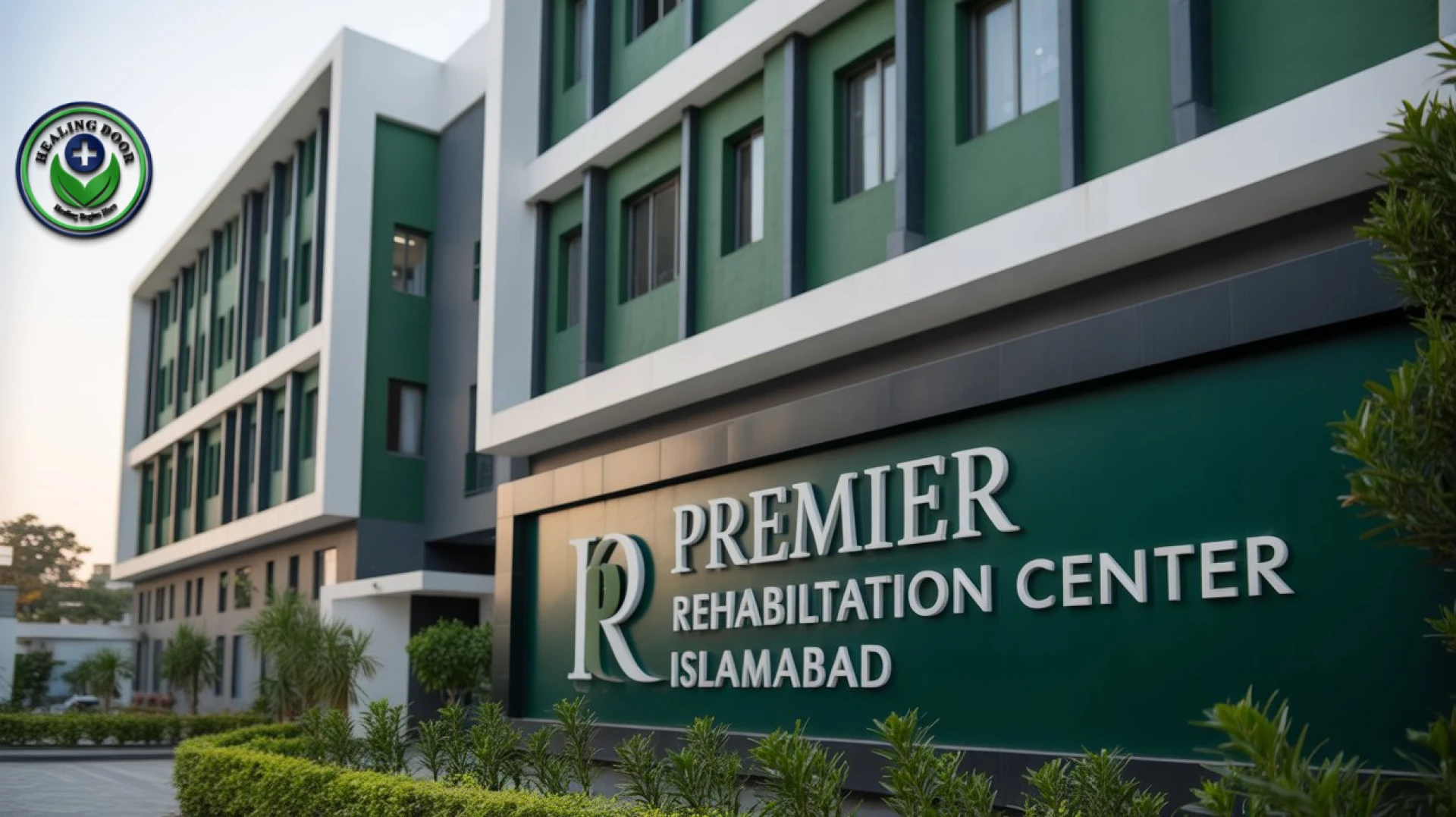

In life's journey, we all encounter periods of profound difficulty. Sometimes, these challenges—be it the weight of a major loss, the grip of a trauma, the relentless tide of anxiety, or the deep fog of depression—become more than we can navigate with weekly therapy sessions alone. Our day-to-day functioning falters, our relationships strain, and our sense of self feels lost. It is in these moments that a higher level of structured, immersive support becomes not just beneficial, but essential. This is the core purpose of a Mental Health Rehab Center: to provide a dedicated sanctuary for comprehensive healing and a clear pathway back to a balanced, fulfilling life.
A Mental Health Rehab Center is fundamentally different from outpatient therapy or acute psychiatric hospitalization. Think of it as a middle ground—a proactive, residential or intensive outpatient program within a supportive medical rehabilitation center environment. It is a place designed for those who need to step away from the triggers and stresses of their daily environment to focus entirely on recovery. This is not about isolation, but about intentional immersion in healing. Here, the goal extends beyond crisis management; it is to build resilience, equip individuals with practical life skills, and address the root causes of distress through a holistic lens that treats the mind, body, and spirit as one interconnected system.
The Integrated Framework of Holistic Healing
What can you expect from a quality Mental Health Rehab Center? The most effective programs are built on an integrated model that recognizes no single treatment works for everyone. This model rests on several key pillars:
- Structured Therapeutic Foundation: The core of the experience is evidence-based therapy, but at an intensified and multifaceted level. This includes individual psychotherapy (such as Cognitive Behavioral Therapy or Dialectical Behavior Therapy) to develop personal coping strategies, and group therapy, which provides the invaluable benefit of shared experience and peer support, powerfully combating the isolation of mental illness. Family therapy is also often a cornerstone, helping to mend relationships and educate loved ones on how to be part of the recovery journey, creating a stronger support system for the return home.
- Psychiatric and Medical Oversight: For conditions with a significant biological component—like major depression, bipolar disorder, or severe anxiety—professional medical management is crucial. Within a medical rehabilitation center, board-certified psychiatrists provide thorough assessments, accurate diagnosis, and careful medication management. This is not about relying solely on medication, but about using it as a tool to stabilize brain chemistry, reduce acute symptoms, and create the neurological calm necessary to fully engage in therapeutic work. This medical supervision ensures safety and provides a solid clinical foundation for recovery.
- Holistic Wellness and Life Skills Training: True recovery is about building a new, healthier life. Therefore, leading centers incorporate holistic practices into daily routines. This can include mindfulness and meditation training for stress regulation, nutritional counseling to support physical well-being, and movement therapies like yoga. Crucially, a major focus is on life-skills workshops. These sessions teach practical tools for emotion regulation, communication, financial wellness, and relapse prevention—empowering individuals to navigate real-world challenges with confidence long after they leave the program.
- Community and Aftercare Planning: Healing happens in connection. The community formed with peers and staff in a Mental Health Rehab Center provides a profound sense of belonging. Furthermore, a quality program views discharge not as an end, but as a transition. A robust, personalized aftercare plan is developed with each individual, connecting them to outpatient therapists, local support groups, and community resources. This ensures the transition back to daily life is supported and sustainable, with a clear plan for maintaining wellness.
A Step Toward Strength, Not Stigma
Choosing to seek help at a Mental Health Rehab Center is an act of profound courage and self-respect. It signifies the understanding that some wounds require dedicated time and space to heal properly. It is a decision to prioritize your long-term health over short-term comfort.
If you or someone you love is considering this path, look for a center that offers a balance of clinical excellence and genuine compassion, with accredited professionals and a transparent approach to personalized care. Remember, you are not seeking a last resort, but a resource for renewal.
Within the supportive environment of a dedicated medical rehabilitation center, individuals find more than treatment—they find understanding, community, and the practical tools to rebuild their lives. It is a place where the journey back to wholeness can truly begin, guided by expertise and grounded in hope. Your path to a brighter, more balanced future can start with this single, brave step.


Sign in to leave a comment.