Fire safety systems stand as silent guardians within commercial buildings, industrial facilities, hospitals, educational institutions, and residential complexes, waiting to activate during emergencies that hopefully never occur. This paradoxical nature creates unique challenges for facility managers who must maintain these critical systems in perfect readiness despite infrequent actual deployment. Unlike HVAC or electrical systems whose daily operation provides constant performance feedback, fire protection equipment may sit dormant for years before a single activation moment determines whether it functions as designed or fails catastrophically when needed most.
The regulatory landscape governing fire safety maintenance reflects the life-safety criticality of these systems. National building codes, local fire regulations, and insurance requirements mandate regular inspection, testing, and maintenance of fire protection equipment according to prescribed schedules and standards. Non-compliance carries serious consequences including regulatory penalties, insurance coverage voidance, and most critically, the potential for preventable loss of life during emergencies. Organizations bear legal and moral obligations to ensure fire safety systems maintain operational readiness at all times.
Understanding Comprehensive Fire Safety Systems
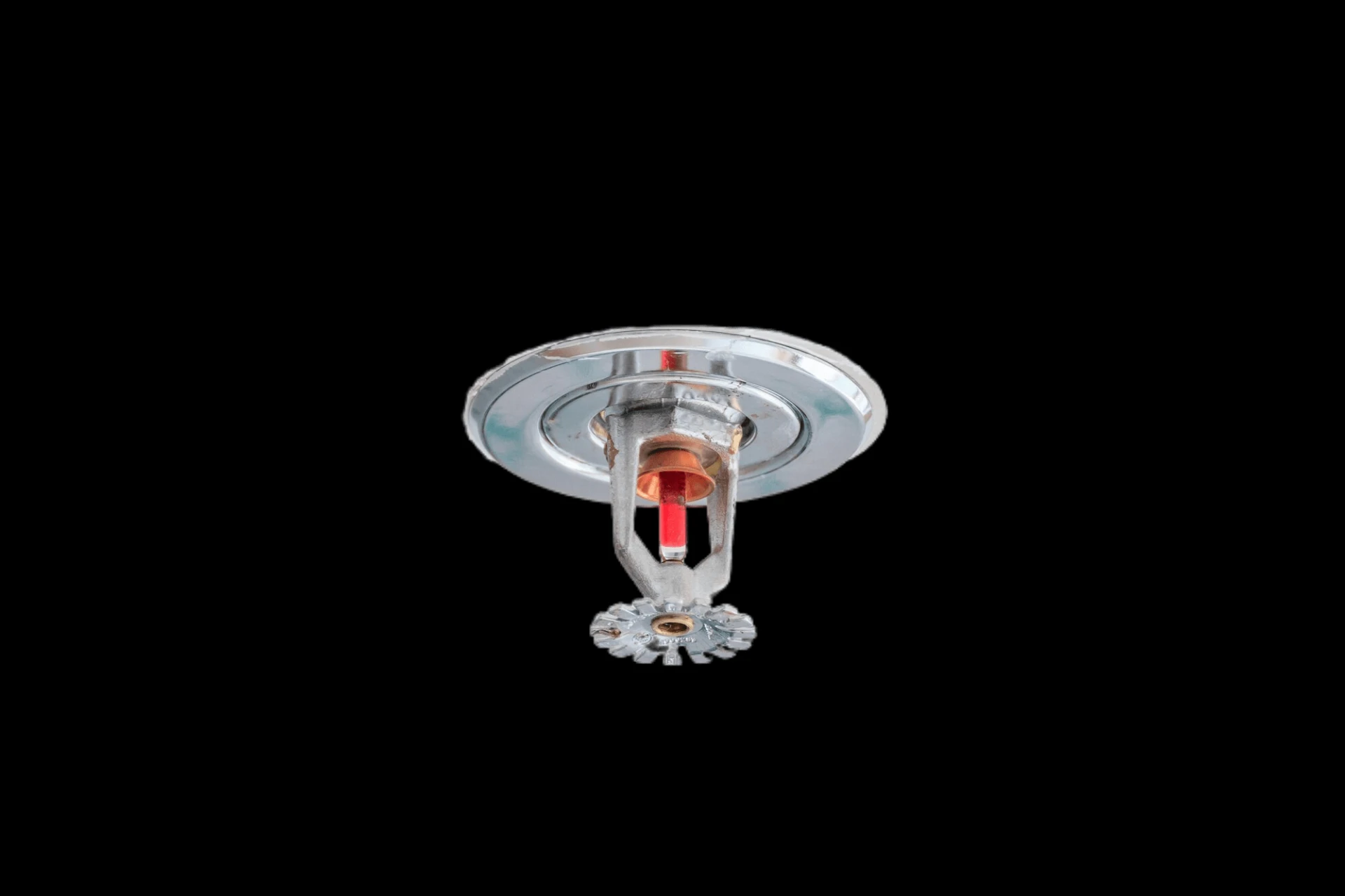
Modern facilities employ multiple interconnected fire protection technologies working together to detect fires early, alert occupants, suppress flames, and facilitate safe evacuation. Fire alarm systems incorporating smoke detectors, heat sensors, and manual pull stations provide early warning capabilities essential for timely response. Automatic sprinkler systems deliver water to fire locations, controlling or extinguishing flames before they spread beyond manageable proportions. Specialized suppression systems using clean agents, foam, or gaseous compounds protect areas where water-based systems prove inappropriate.
Emergency lighting and exit signage ensure occupants can navigate safely to building exits even when primary power fails or smoke obscures visibility. Fire doors and dampers compartmentalize buildings, preventing fire and smoke spread between zones. Public address systems enable emergency communication and evacuation instructions. The integration of these diverse technologies creates comprehensive protection, but also generates complex maintenance requirements spanning multiple technical disciplines.
Fire safety effectiveness depends on every component functioning correctly during emergencies. A single failed detector, disabled sprinkler head, or non-functional emergency light creates vulnerability that could prove fatal. This reality necessitates systematic maintenance approaches that verify every system element remains operational through regular testing and inspection protocols.
The Critical Role of Annual Maintenance Contracts
Annual Maintenance Contract services for fire safety systems provide structured approaches ensuring consistent compliance with regulatory requirements while maintaining optimal equipment readiness. These contracts establish clear responsibilities, define service frequencies, and create accountability frameworks that prevent the neglect that commonly affects systems not requiring daily operation.
Professional fire AMC service providers bring specialized expertise that most facility management teams lack in-house. Fire protection systems incorporate unique technologies requiring specific training and certification for proper maintenance. Technicians must understand fire alarm panel programming, sprinkler hydraulics, suppression agent specifications, and the numerous codes and standards governing different system types. This specialized knowledge base justifies engaging dedicated service providers rather than attempting maintenance through general facilities staff.
AMC arrangements typically encompass scheduled preventive maintenance visits, emergency repair response, regulatory compliance documentation, and often include preferential parts pricing or consumable supplies. Contracts specify exactly what activities occur during each visit, ensuring nothing falls through gaps in maintenance coverage. Documentation generated through AMC programs provides auditable records demonstrating compliance for regulatory inspections and insurance audits.
Essential Maintenance Activities for Fire Protection Systems
Fire Alarm System Testing and Inspection
Comprehensive fire alarm maintenance begins with control panel verification, ensuring all zones function correctly and communication with monitoring stations operates reliably. Individual detector testing confirms appropriate smoke or heat sensitivity without false alarm tendencies. Manual pull station operation receives verification, along with notification appliance functionality including horns, strobes, and speakers. Battery backup systems undergo discharge testing to confirm adequate emergency power capacity.
Sprinkler System Maintenance
Sprinkler maintenance encompasses visual inspections verifying no physical damage, corrosion, or obstructions compromise system effectiveness. Water flow testing validates adequate pressure and volume reach sprinkler heads throughout protected areas. Control valves receive operation testing ensuring they function smoothly without seizure. Backflow prevention devices undergo annual testing as required by water authorities. Dry pipe systems require air pressure verification and trip testing.
Specialized Suppression System Servicing
Clean agent systems protecting data centers and electrical rooms require cylinder weighing or pressure monitoring to confirm adequate agent quantities remain available. Gaseous suppression systems demand leak testing and discharge nozzle inspection. Kitchen hood suppression systems need regular cleaning to prevent grease accumulation that could interfere with activation.
Emergency Lighting and Exit Sign Verification
Monthly function testing ensures emergency lights and exit signs illuminate properly during simulated power failures. Annual battery discharge tests verify lights maintain adequate illumination for required durations, typically ninety minutes. Bulb replacement and battery changes occur as needed to maintain readiness.
Regulatory Compliance and Documentation Requirements
Fire safety regulations mandate specific inspection and testing frequencies for different system components. I Focus Solutions maintains comprehensive knowledge of applicable standards including National Fire Protection Association codes, local authority requirements, and insurance stipulations. Compliance documentation must record every inspection, test performed, deficiencies identified, and corrective actions completed.
Regulatory authorities and insurance providers increasingly demand electronic record-keeping with detailed maintenance histories accessible for audit purposes. Modern AMC programs utilize digital platforms that track all service activities, automatically flag upcoming required tasks, and generate compliance reports demonstrating adherence to all applicable requirements.
Consequences of Inadequate Fire System Maintenance
The ramifications of neglected fire protection maintenance extend far beyond regulatory violations. System failures during actual emergencies create catastrophic liability exposure when preventable equipment malfunction contributes to injuries or fatalities. Insurance companies routinely deny claims when investigations reveal fires spread due to non-functional sprinklers or late discovery from failed detection systems that lacked proper maintenance.
Business continuity impacts from fire incidents magnify dramatically when protection systems fail to perform. Fires that might have been contained to small areas through functioning sprinklers instead consume entire facilities, causing total operational shutdowns rather than localized disruptions. The long-term reputational damage from fire-related incidents, particularly those involving injuries, can prove devastating for organizations.
Fire safety system maintenance through comprehensive AMC programs represents non-negotiable operational requirements for responsible facility management. Organizations that prioritize these critical systems through partnerships with qualified service providers demonstrate commitment to safety, regulatory compliance, and asset protection. The modest investment in professional maintenance services provides invaluable peace of mind that fire protection systems will function exactly as designed when emergency situations demand their reliable performance.





Sign in to leave a comment.