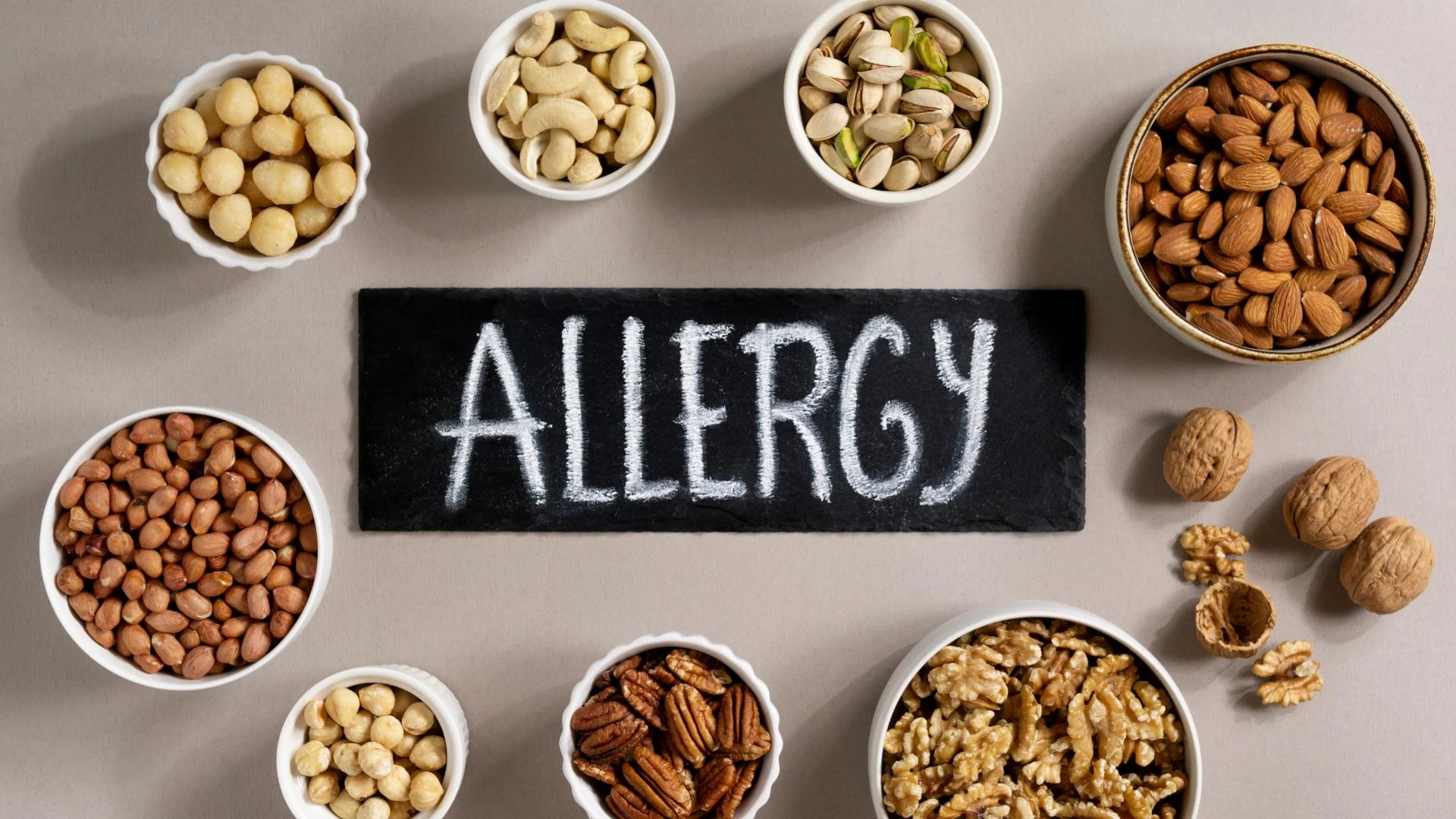

Food allergies affect millions of people worldwide, and their prevalence is increasing across all age groups. In Dubai, where diverse cuisines and dining cultures thrive, it’s especially important to understand and manage food allergies effectively. A food allergy occurs when the immune system reacts abnormally to a specific food, mistakenly identifying it as harmful.
Even small traces of allergens like peanuts, shellfish, eggs, or milk can trigger mild to severe reactions — from itching and hives to anaphylaxis, a potentially life-threatening emergency. Since food allergies can’t be cured entirely, effective management is key to preventing reactions and maintaining a safe, healthy lifestyle.
1. Identifying the Cause: Accurate Diagnosis Is the First Step
The foundation of allergy management lies in accurate diagnosis. Many people mistake food intolerances or sensitivities for allergies, which can lead to unnecessary dietary restrictions or missed health risks.
A certified healthcare professional can help determine whether your symptoms — such as swelling, rash, stomach pain, or difficulty breathing — are caused by an allergic response. The most common diagnostic methods include:
- Skin Prick Test: Small samples of allergens are placed on your skin to observe reactions.
- Blood Test: Measures levels of Immunoglobulin E (IgE) antibodies that indicate allergic responses.
- Elimination Diet: Gradually removing and reintroducing certain foods to identify triggers.
For greater convenience, residents of Dubai can now opt for a Food Allergy Test at Home. Licensed healthcare professionals visit your home to collect samples safely and efficiently, eliminating the need to visit a clinic. This makes it easier for both adults and children to identify allergens early and begin proper management.
2. Avoidance: The Most Effective Treatment
Currently, there is no permanent cure for food allergies, and strict avoidance of the allergen remains the most effective approach. Once allergens are identified, you should take proactive steps to prevent accidental exposure.
Practical Tips for Avoidance:
- Always read food labels carefully, including “may contain” warnings.
- Inform restaurant staff about your allergies when dining out.
- Avoid shared containers and utensils that may carry cross-contamination.
- Prepare home-cooked meals using known, safe ingredients.
- Educate family members, caregivers, and colleagues about your allergies and what to do in case of a reaction.
Being cautious doesn’t mean you need to restrict your diet completely — just be informed, prepared, and vigilant.
3. Medication for Managing Allergic Reactions
While prevention is crucial, accidents can still happen. Having the right medication available can make all the difference in managing mild to severe allergic reactions.
Common Medications Include:
- Antihistamines: Help relieve mild symptoms like itching, hives, or sneezing.
- Corticosteroids: Reduce inflammation and swelling in moderate reactions.
- Epinephrine (Adrenaline Auto-Injector): Used during severe allergic reactions (anaphylaxis) to quickly restore normal breathing and circulation.
If you’ve been prescribed an epinephrine auto-injector (commonly known as an EpiPen), carry it with you at all times. Family members and coworkers should also know how to use it in an emergency. In Dubai’s warm climate and active lifestyle, keeping your medication in a cool, accessible place is vital.
4. Desensitization and Immunotherapy Treatments
Medical advancements are providing new hope for allergy sufferers. Oral Immunotherapy (OIT) and Sublingual Immunotherapy (SLIT) are emerging treatments designed to desensitize the immune system to specific allergens.
These treatments involve introducing small, gradually increasing doses of the allergen under medical supervision. Over time, the body becomes less reactive, reducing the severity of allergic responses.
While immunotherapy is still being studied for food allergies, it’s showing promising results for common triggers like peanuts, milk, and eggs. However, these treatments should only be undertaken with the guidance of a qualified allergist or immunologist.
5. Emergency Action Plan for Allergy Management
Every individual diagnosed with a food allergy should have an emergency action plan. This plan outlines what to do if accidental exposure occurs and helps others act quickly if you’re unable to communicate during a reaction.
Your emergency plan should include:
- A list of known allergens.
- Symptoms to watch for (e.g., swelling, wheezing, dizziness).
- Step-by-step use of an epinephrine injector.
- Contact details for emergency services or your healthcare provider.
Keeping a printed or digital copy of this plan on your phone and sharing it with caregivers, schools, or workplaces can save valuable time in critical situations.
6. How Call My Doctor Supports Allergy Care in Dubai
At Call My Doctor, we are dedicated to providing convenient, reliable, and patient-centered healthcare in Dubai. Our goal is to make allergy diagnosis and management easier for individuals and families through professional home-based medical services.
Our Food Allergy Test at Home service allows patients to get tested safely and comfortably without visiting a hospital. Once your results are ready, our DHA-licensed doctors can provide expert consultation and a personalized care plan tailored to your lifestyle and health needs.
We also offer a range of complementary healthcare services such as doctor on call, lab tests at home, IV therapy, and nursing care, ensuring that you have access to comprehensive medical support whenever you need it.
With Call My Doctor, you can manage your food allergies confidently while maintaining peace of mind — knowing that expert care is only a call away.
7. Lifestyle Tips for Long-Term Allergy Management
Effective allergy management isn’t just about avoiding triggers; it’s about creating a sustainable, healthy lifestyle.
- Stay informed: Follow updates on food recalls or new allergy research.
- Plan ahead: Always pack safe snacks or meals when traveling.
- Educate children: If your child has food allergies, teach them to recognize symptoms and avoid risky foods.
- Maintain regular checkups: Food allergies can evolve, so schedule periodic evaluations with your doctor.
By taking consistent precautions and staying connected with healthcare professionals, you can reduce risks and live confidently despite having food allergies.
Conclusion: Manage Allergies, Live Confidently
Living with food allergies doesn’t mean limiting your life — it means managing it wisely. Through early diagnosis, proper avoidance, medication, and medical guidance, you can prevent severe reactions and maintain control over your health.
With modern healthcare solutions like Call My Doctor’s Food Allergy Test at Home, getting tested and managing your allergies has never been easier in Dubai. The key to living well with food allergies lies in awareness, preparation, and access to trusted medical care — right at your doorstep.














Sign in to leave a comment.