

Foosball has been a favorite pastime for decades, combining competition, skill, and laughter into a single game. Whether you’re playing casually with family or practicing to sharpen your technique, the equipment you choose can make or break your experience. Two overlooked yet essential parts of the game are the foosball ball and the foosball table with cover.
A well-designed foosball ball can completely change the way you play, while a proper cover ensures your table lasts for years. In this in-depth guide, we’ll explore everything you need to know about both, from types and benefits to maintenance and buying tips.
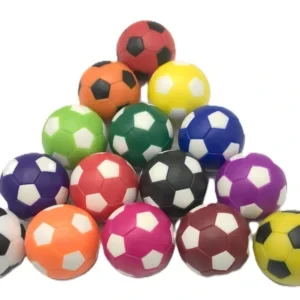
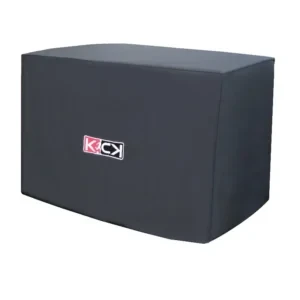
Why the Right Foosball Ball Matters
Most beginners assume all foosball balls are the same, but seasoned players know that’s far from true. The foosball ball is the heart of the game—it dictates speed, control, spin, and overall enjoyment.
1. Control and Gameplay
- A lighter, smooth ball moves quickly but is harder to control.
- A textured or heavier ball provides better grip and precision, ideal for practicing advanced shots like the snake or pull shot.
2. Durability
Low-quality balls tend to chip, crack, or flatten over time, which affects how they roll. A good ball should withstand heavy play without losing shape.
3. Noise Reduction
Nobody wants a ball that makes a loud clattering sound every time it hits the wall. High-quality foosball balls are designed to be quieter, especially in home settings.
Types of Foosball Balls
There are several types of foosball balls, each catering to a different style of play:
- Traditional Plastic Balls
- Smooth and lightweight
- Fast-paced but harder to control
- Common in entry-level tables
- Textured Foosball Balls
- Grippy surface for excellent ball control
- Great for passing and shooting with accuracy
- Preferred by competitive players
- Cork Balls
- Very light and quiet
- Popular in European foosball culture
- Ideal for controlled, slower-paced play
- Tournament-Grade Balls
- Made of high-quality materials
- Perfect balance of speed and grip
- Used in professional competitions
How to Choose the Right Foosball Ball
When selecting the best foosball ball for your game, consider these factors:
- Your Play Style: Do you prefer fast-paced, aggressive play or slower, controlled movements?
- Table Type: Some tables perform better with specific balls. For example, cork balls pair well with wooden tables.
- Skill Level: Beginners often find textured balls easier to handle than smooth ones.
- Durability Needs: If you play often, investing in a durable set is worth it.
Pro Tip: Always keep spare balls on hand. Games can get intense, and losing a ball mid-match is inevitable.
The Importance of a Foosball Table with Cover
While the ball is crucial for gameplay, protecting your table is equally important. A foosball table with cover ensures your investment lasts for years by keeping it safe from dust, spills, and even weather if placed outdoors.
Benefits of Using a Table Cover
- Protection from Dust and Dirt
- Without a cover, dust can accumulate on the rods and playfield, affecting smooth movement and gameplay.
- Prevents Moisture Damage
- Spilled drinks, humidity, or accidental splashes can warp the surface of your table. A cover acts as a protective shield.
- Sun Protection (Outdoor Tables)
- If your table is placed in a patio or game shed, UV rays can fade and damage the surface. A good cover blocks sunlight effectively.
- Keeps Pets and Kids Away
- Curious pets or children may climb on or scratch the table. A fitted cover adds an extra barrier.
- Improves Longevity
- Simply put, a foosball table with cover will last significantly longer than one left exposed.
Types of Foosball Table Covers
Not all covers are made the same. Here are the main types you’ll find:
- Dust Covers
- Lightweight fabric or vinyl
- Ideal for indoor use
- Easy to put on and remove
- Waterproof Covers
- Made of PVC or heavy-duty polyester
- Protects against spills and moisture
- Perfect for homes with kids
- Outdoor-Grade Covers
- UV-resistant and waterproof
- Designed for tables on patios or backyards
- Usually heavier and more durable
- Custom-Fit Covers
- Tailored to your specific foosball table model
- Provides maximum protection and sleek look
How to Choose the Best Foosball Table with Cover
When shopping for a foosball table with cover, keep these factors in mind:
- Material Quality: Look for waterproof, tear-resistant materials. Polyester and heavy-duty vinyl are excellent choices.
- Size and Fit: A loose cover won’t protect as well as a snug fit. Always measure your table before buying.
- Ease of Use: Choose a cover that’s simple to remove and put back on, especially if you play often.
- Aesthetic Appeal: Some covers come in sleek designs that blend well with your décor.
- Price vs. Value: Don’t go for the cheapest option. A slightly higher investment means better protection.
Maintenance Tips for Foosball Balls and Tables
For Foosball Balls:
- Clean balls regularly with a damp cloth to remove dirt and grease.
- Avoid using harsh chemicals that may wear down the surface.
- Store extra balls in a dry container.
For Tables with Covers:
- Wipe down the table before covering it to avoid trapping dust.
- Ensure the cover is completely dry before putting it on.
- For outdoor tables, secure the cover with straps to prevent wind damage.
Frequently Asked Questions (FAQs)
1. How many foosball balls should I keep?
It’s best to keep at least 4–6 spare foosball balls. This ensures you can continue playing even if a ball gets lost.
2. Which type of foosball ball is best for beginners?
Textured balls are the best for beginners since they offer excellent control, making passing and shooting much easier.
3. Do I really need a foosball table with cover indoors?
Yes! Even indoors, dust and moisture can damage your table over time. A simple dust cover can significantly extend its lifespan.
4. Can I use any cover for my foosball table?
Not all covers are equal. Always look for covers specifically designed for foosball tables for the best fit and protection.
5. What’s the difference between a cork foosball ball and a plastic one?
Cork balls are lighter, quieter, and slower, making them great for controlled play. Plastic balls are faster but harder to manage for precise shots.
Final Thoughts
The world of foosball is more than just rods and players—it’s about the details that enhance your experience. Choosing the right foosball ball can make your matches smoother, faster, and more enjoyable. On the other hand, investing in a foosball table with cover protects your equipment, ensuring it stays in top condition for years to come.
Both might seem like small considerations, but together they make a massive difference. Whether you’re a casual player, a family who loves game nights, or a serious competitor, these essentials will elevate your foosball experience.
So, the next time you think about upgrading your foosball setup, don’t just focus on the table—pay attention to the ball you play with and the cover that protects your investment. These two items might just be the key to many more years of fun, competitive foosball.













Sign in to leave a comment.