
Introduction
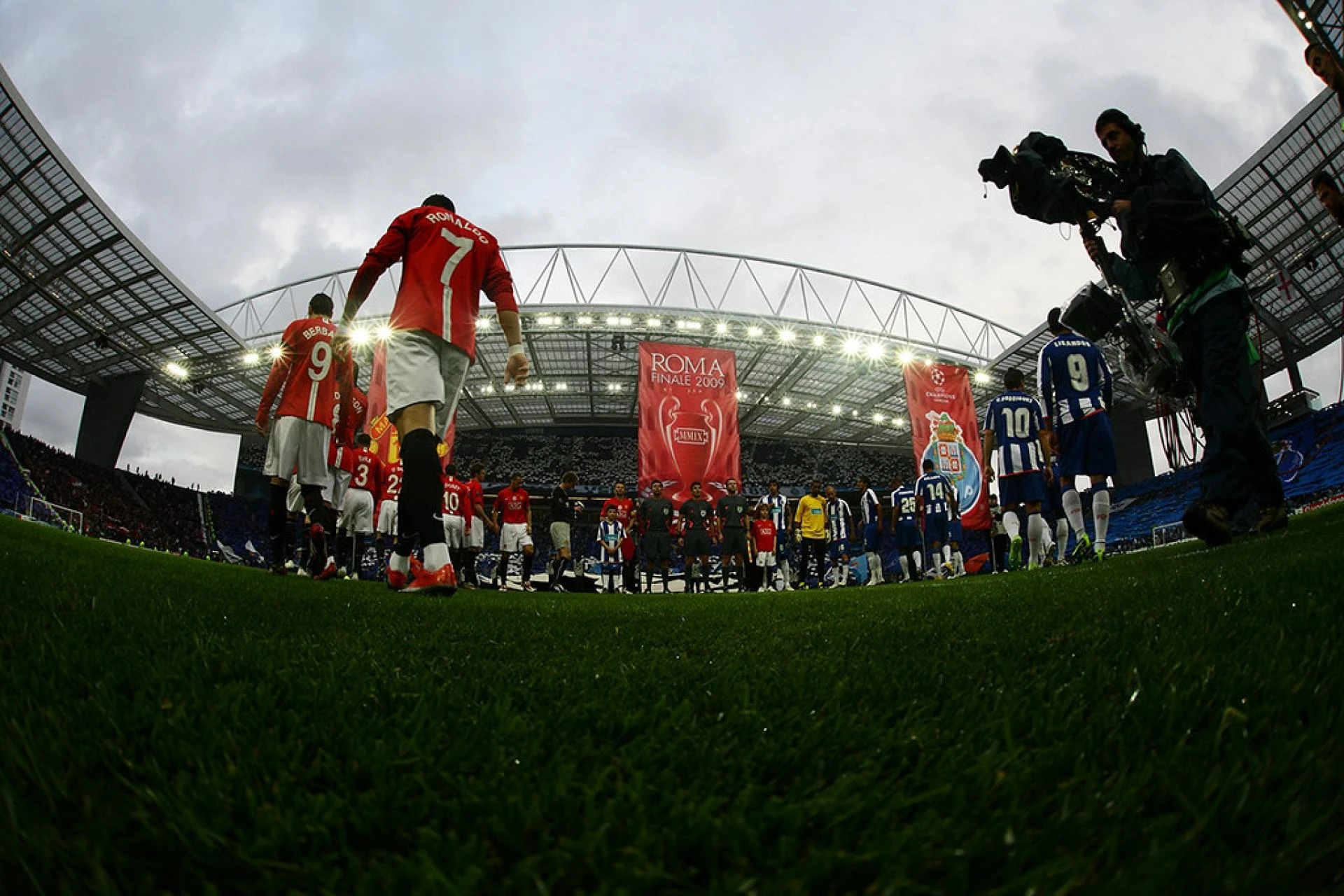
Football, also called soccer, in some places, is a team-based game that involves two teams each consisting of 11 players competing to win by getting the ball between the goal post-net without using hands. The team that has the most goals wins. Up until today, football is widely known as the most popular sport in the world. The origin of football began its journey when it was first discovered in the 19th century in Britain. It was during the Medieval period that the first game was played with different rules then, the game only began to be standardized when it became a winter game at public schools. With the help of the Football Association that was formed in 1863, the rules of the game became official and the first cup was hosted and held by the Football Association with competing teams in the regions of Britain (Alegi et al., 2023).
The Birth of Legends
The making of a football legend starts early and the world has seen the birth numerously by leaving an incredible mark in the annals of the sport. From mere aspirants to icons of the game is a tale of passion, dedication, hard work, skills, and extraordinary talent, often in the humblest of surroundings. Many of the greatest players began their journey in local clubs, learning the fundamentals of the game. Their natural talent, honed by relentless practice and dedication, set them apart from their peers. One of the key moments in the birth of a football legend is their debut in professional football. It’s a time when talent meets opportunity. The likes of Pelé, Maradona, and more recently Cristiano Ronaldo and Lionel Messi, all made their professional debuts as teenagers, showcasing their exceptional skills against seasoned players.
But talent alone doesn't make a legend. The journey is fraught with challenges, including injuries, form slumps, and the pressure of expectation. The true legends of football are those who rise above these challenges, showcasing resilience and an unyielding morale and spirit. Their ascent to legendary status is frequently typified by standout performances in pivotal moments, particularly in international competitions such as the UEFA World Cup, FIFA World Cup, or Continental Championships. These are the arenas in which legends emerge when single-minded performances turn games around and propel their teams to victory. Aside from the field, legends are frequently distinguished by their leadership qualities and capacity to motivate teammates and supporters (Potts, 2023). Their influence transcends the pitch, impacting the culture of the sport and often, society at large. Their influence transcends the pitch, impacting the culture of the sport and often, society at large.
Games That Changed the Rules
The sport deeply rooted in history and tradition has undergone significant transformations over the years, often sparked by key matches that highlighted the need for changes in rules or strategies. One such pivotal moment was the introduction of the back-pass rule following the 1990 FIFA World Cup.
Before 1992, goalkeepers could pick up direct back-passes from their teammates, a tactic increasingly exploited for time-wasting and maintaining possession without progressing play. However, the 1990 World Cup marked a turning point. The tournament, criticized for its defensive tactics and lack of goals, showcased games where teams excessively used back-passes to their goalkeepers, stifling the flow and excitement of the match. This tactic reached its peak in the infamous match between Ireland and Egypt, which ended in a goalless draw, largely due to excessive time-wasting tactics including the back-pass.
In response to the widespread criticism of the tournament's dull play, FIFA introduced the back-pass rule in 1992, prohibiting goalkeepers from handling direct passes from teammates' feet. This rule change revolutionized football strategies, compelling teams to develop more advanced defensive skills and placing a greater emphasis on outfield players' ball control and passing abilities. It also accelerated the pace of the game, encouraging more attacking play and consequently making football more dynamic and entertaining for spectators.
These changes underscore how a single tournament or match can significantly influence the evolution of football tactics. The introduction of the back-pass rule is a prime example of how the sport adapts and evolves in response to the strategies developed within the game, ensuring its continual growth and excitement for fans worldwide.
The Underdog Triumphs
The stories of underdog triumphs in sports are not just about unexpected victories; they encapsulate a deeper narrative of perseverance, determination, and the spirit of defying odds. Two of the most iconic examples of such triumphs are the 1966 World Cup final and Leicester City's Premier League win in 2016.
The 1966 World Cup Final
Held at Wembley Stadium in London, the 1966 World Cup final saw host nation England take on West Germany. England, having never won a World Cup, was not considered a top favorite at the start of the tournament. The final became a dramatic affair when West Germany took the lead, but England fought back to lead 2-1. Later on, West Germany equalized late in the match, sending it into extra time. The most memorable moment came when Geoff Hurst scored a controversial goal, famously known as the "Wembley Goal," where the ball hit the crossbar and bounced down, with debates continuing over whether it fully crossed the line. Hurst later completed a hat-trick, sealing a 4-2 victory for England. The win was a moment of national pride and joy for England. This became a symbol of England's post-war recovery and resurgence on the international stage. The victory remains a cherished memory in English football history.
Leicester City's Premier League Win in 2016
Before the 2015-2016 season, Leicester City was considered a 5000-1 outsider to win the Premier League. The team had narrowly avoided relegation in the previous season and was not seen as a contender for the title. In the season highlights of Leicester City, led by manager Claudio Ranieri, displayed remarkable consistency and teamwork. They played a counter-attacking style of football that proved incredibly effective. Key players like Jamie Vardy, Riyad Mahrez, and N'Golo Kanté played pivotal roles in their success. Leicester City's triumph was a fairytale story that resonated beyond football. It demonstrated that with belief, teamwork, and determination, the seemingly impossible could be achieved. The victory was an inspiration to underdogs in all fields, proving that success is not always determined by resources or history but can be achieved through hard work and unity.
These victories stand as testaments to the beauty of sports, where underdogs can overcome seemingly insurmountable odds to achieve extraordinary success. They remind us that in the realm of competition, sometimes heart and spirit can triumph over established power and expectations.
The Modern Era Classics
Recent years in football have seen several memorable games that have set high standards in skill and competition, reflecting the evolution of the sport since the iconic 2005 Champions League final between Liverpool and AC Milan.
Some standout matches and moments include:
Barcelona’s 6-1 Comeback Against PSG (2017): This game is famous for Barcelona's astonishing comeback, overturning a 4-0 deficit in the first leg of the Champions League.Manchester United’s Injury-Time Victory (1999): Manchester United scored two goals in injury time to defeat Bayern Munich, completing a historic treble.Real Madrid’s La Decima (2014) and Chelsea’s Defensive Masterclass (2012): These games are examples of strategic depth and tactical ingenuity in the Champions League.
Individual Brilliance in games like Cristiano Ronaldo’s hat trick against Wolfsburg in 2016 and Lionel Messi's solo efforts against Real Madrid in 2011 underline the impact of individual talent in modern football.
Modern football tactics have also evolved significantly, contributing to the elevated standards of the game:
The High Press: Popularized by Jurgen Klopp's Liverpool, this tactic involves pressing the opposition high up the pitch. It demands high stamina and good conditioning from players and has been effective against traditional styles like Tiki-Taka. The Long Ball: This tactic, used effectively by teams like Liverpool and Burnley, involves playing the ball long and fast to forwards, utilizing their pace or strength. Even technically proficient teams are now adopting this strategy. Total Football: A fluid, creative system that requires players to be versatile in multiple positions. It's a philosophy ingrained in clubs like Ajax and encourages a more dynamic and flexible style of play.The popularity and global reach of football have also grown, with matches like the European Championship final between France and Portugal in 2016, the EURO 2020 final, and various high-profile derbies (Manchester Derby, El Clásico, Northwest Derby, Milan Derby, Der Klassiker, Derby d'Italia) attracting hundreds of millions of viewers worldwide.
Conclusion
In Conclusion, these few memorable matches played by each football legend have gained a significant role in the popularity of sports all over the world today. We are seeing legends that contribute to the success of football in history, carving their own identity with talent, skills, dedication, and hard work. The Recent memorable games in football, combined with evolving tactics and increasing global interest, continue to set new standards in skill and competition, building on the legacy of legendary matches in every football tournament.












Sign in to leave a comment.