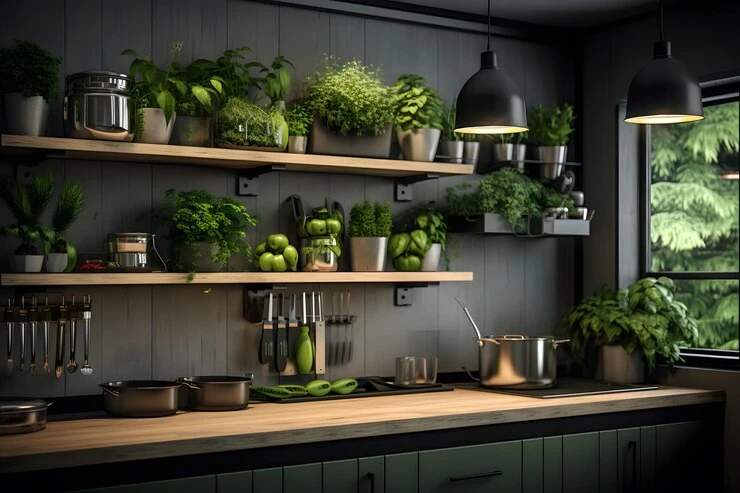

In today\'s fast-paced world, there\'s a growing trend towards reconnecting with nature and embracing sustainable living practices. One such trend that\'s gaining popularity is the resurgence of kitchen gardens. These small plots of greenery, whether in a backyard or on a balcony, offer a wealth of benefits, from providing fresh ingredients for cooking to promoting environmental consciousness. In this article, we\'ll delve into the world of kitchen gardens, exploring their benefits, how to get started, and some popular plants to consider cultivating.
Why Kitchen Gardens?
Kitchen gardens, also known as potager gardens, are more than just a trendy hobby—they\'re a practical solution to many modern-day challenges. Here are a few reasons why you might want to consider starting your own kitchen garden:
Freshness: There\'s nothing quite like the taste of freshly harvested herbs and vegetables. With a kitchen garden, you have the luxury of picking ingredients right before you cook, ensuring maximum flavor and nutrition.
Sustainability: By growing your own produce, you reduce your reliance on store-bought fruits and vegetables, which often come with a hefty carbon footprint due to transportation and packaging. Plus, you have more control over the use of pesticides and fertilizers, allowing you to cultivate your garden in an environmentally friendly way.
Health Benefits: Gardening is not just good for your palate—it\'s also good for your health. Spending time outdoors, tending to your garden, can reduce stress and anxiety levels while providing moderate exercise. And of course, consuming fresh, homegrown produce is a delicious way to nourish your body with vitamins and minerals.
Cost Savings: While there may be an initial investment in setting up your kitchen garden, the long-term savings can be significant. Imagine never having to buy herbs or salad greens from the store again!
Getting Started
Ready to roll up your sleeves and get your hands dirty? Here are some steps to help you get started with your kitchen garden:
Choose the Right Location: Select a spot that receives plenty of sunlight throughout the day. Most herbs and vegetables thrive in full sun, so aim for at least 6-8 hours of direct sunlight daily.
Prepare the Soil: Before planting, take some time to prepare your soil. Remove any weeds and debris, then amend the soil with compost or organic matter to improve its texture and fertility.
Select Your Plants: Choose plants that are well-suited to your climate and growing conditions. Some popular options for kitchen gardens include basil, tomatoes, peppers, lettuce, and mint. Consider adding some edible flowers like nasturtiums or calendula for a pop of color and flavor.
Plant and Maintain: Follow the planting instructions for each type of plant, spacing them appropriately to allow room for growth. Water regularly, especially during dry spells, and keep an eye out for pests and diseases that may affect your plants.
Harvest and Enjoy: Once your plants start producing, be sure to harvest them regularly to encourage continuous growth. Don\'t be afraid to experiment with different recipes and flavor combinations using your freshly picked produce!
Popular Kitchen Garden Plants
Here are some popular herbs, vegetables, and edible flowers to consider adding to your kitchen garden:
Basil: This aromatic herb is a staple in many cuisines, prized for its fresh, sweet flavor. Use it to make pesto, flavor soups and sauces, or simply sprinkle it over fresh tomatoes with a drizzle of olive oil.
Tomatoes: Nothing beats the taste of a sun-ripened tomato straight from the vine. Choose from a wide variety of shapes, sizes, and colors, from cherry tomatoes to beefsteak tomatoes, and enjoy them in salads, sandwiches, or roasted with herbs and garlic.
Lettuce: Growing your own lettuce allows you to enjoy crisp, flavorful salads all season long. Try different varieties like romaine, butterhead, and leaf lettuce for a mix of textures and flavors.
Mint: Fresh mint is a versatile herb that adds a refreshing burst of flavor to both sweet and savory dishes. Use it to make mint tea, flavor cocktails, or garnish desserts like chocolate mousse or fruit salad.
Nasturtiums: These colorful flowers have a peppery flavor similar to watercress, making them a unique addition to salads, sandwiches, and appetizers. Plus, they attract beneficial insects to your garden, helping to keep pests in check.
Conclusion
In conclusion, creating your own kitchen garden is a rewarding and fulfilling endeavor that offers a host of benefits for both you and the environment. Whether you have a sprawling backyard or just a small balcony, there\'s always room to grow your own herbs, vegetables, and edible flowers. So why wait? Get started today and discover the joy of fresh flavors right at your fingertips!










Sign in to leave a comment.