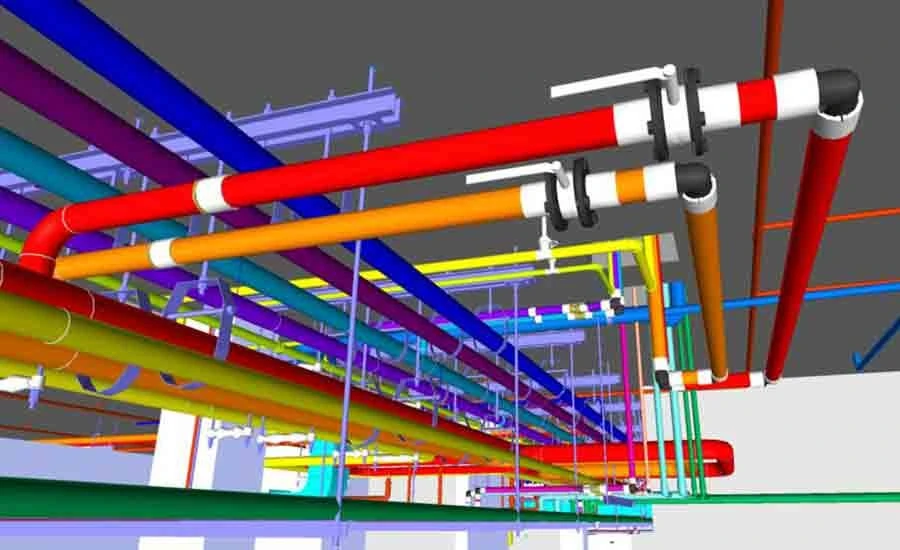

In the dynamic world of construction, the journey from blueprint to reality involves a multitude of intricate processes and systems working together seamlessly. Among these, Mechanical, Electrical, and Plumbing (MEP) services play a pivotal role in transforming design concepts into functional, safe, and sustainable built environments. In this blog, we embark on a comprehensive exploration of the indispensable role that MEP services play in the construction industry, from inception to completion.
Understanding MEP Services
MEP services encompass a wide range of systems and components that are essential for the operation of buildings. Mechanical systems include heating, ventilation, and air conditioning (HVAC), electrical systems encompass lighting, power distribution, and communication networks, while plumbing systems cover water supply, drainage, and fire protection. Together, these systems ensure the comfort, safety, and functionality of buildings.
Design and Planning Phase
In the initial stages of a construction project, MEP engineers collaborate closely with architects and other stakeholders to integrate MEP systems into the overall building design. This involves evaluating building codes, client requirements, and environmental factors to develop efficient and cost-effective MEP solutions that align with the project's objectives.
Coordination and Collaboration
MEP coordination is crucial to ensure that various systems integrate seamlessly and do not conflict with one another or with architectural elements. Through Building Information Modeling (BIM) and other collaborative tools, MEP engineers coordinate the layout and installation of MEP systems with structural and architectural components, minimizing conflicts and optimizing spatial efficiency.
Procurement and Installation
Once the design is finalized, MEP engineers oversee the procurement of equipment and materials and supervise the installation of MEP systems during the construction phase. This involves working closely with contractors, subcontractors, and vendors to ensure that installations meet specifications, comply with regulations, and adhere to project schedules.
Testing and Commissioning
Before occupancy, MEP systems undergo rigorous testing and commissioning to ensure that they function as intended and meet performance standards. This includes conducting air and water balancing tests, verifying electrical connections, and testing fire protection systems. MEP engineers play a crucial role in overseeing these tests and addressing any issues that arise.
Occupancy and Maintenance
Even after construction is complete, MEP services continue to play a vital role in the ongoing operation and maintenance of buildings. MEP engineers develop maintenance schedules, conduct regular inspections, and troubleshoot issues to ensure that MEP systems operate efficiently and reliably throughout the building's lifecycle.
Energy Efficiency and Sustainability
MEP services are increasingly focused on enhancing energy efficiency and promoting sustainability in building design and operation. Through the use of energy-efficient HVAC systems, advanced lighting controls, and water-saving fixtures, MEP engineers help reduce energy consumption, lower operating costs, and minimize environmental impact.
Technological Innovations
Technological advancements are driving innovation in MEP services, enabling the adoption of smart building technologies, IoT (Internet of Things) devices, and renewable energy systems. These innovations enhance building automation, improve occupant comfort, and optimize energy performance, ushering in a new era of intelligent and sustainable buildings.
Adapting to Industry Trends
MEP services must continually evolve to meet the changing needs and trends of the construction industry. This includes staying abreast of emerging technologies, regulatory requirements, and industry best practices to deliver cutting-edge solutions that meet clients' evolving expectations.
Conclusion
MEP services are the backbone of modern construction, playing a crucial role in transforming design concepts into functional and sustainable buildings. ENGISOFT ENGINEERING - BIM Staffing & BIM Services From the initial planning stages to ongoing maintenance, MEP engineers are instrumental in ensuring that buildings operate efficiently, safely, and sustainably throughout their lifecycle. As the construction industry continues to evolve, MEP services will remain at the forefront of innovation, driving the creation of smarter, greener, and more resilient built environments.











Sign in to leave a comment.