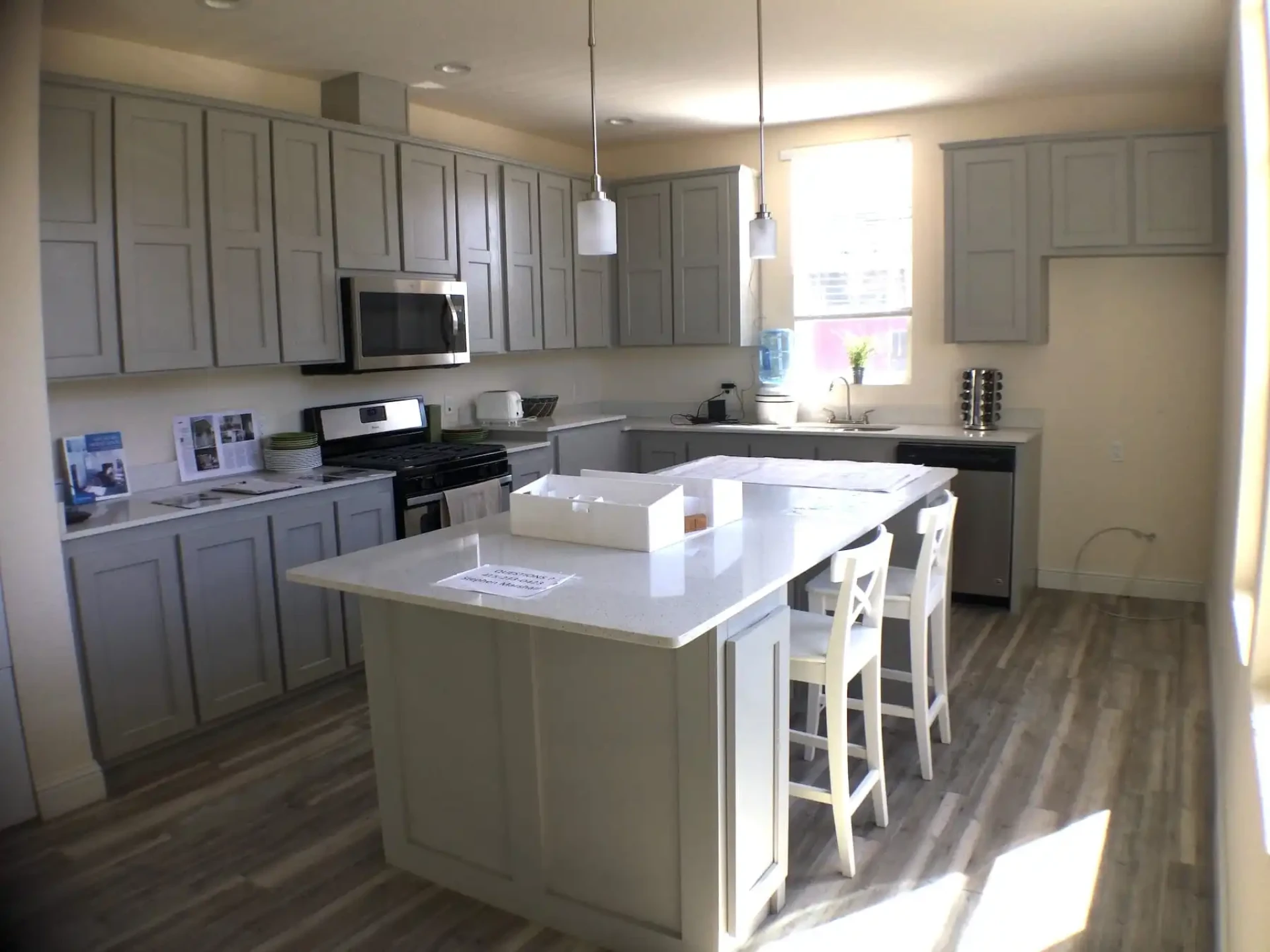

The housing crisis has become one of the most pressing challenges of our time. In high-demand regions like California, rising prices, labor shortages, and limited land availability have put traditional housing options out of reach for many families. Policymakers, developers, and homeowners alike are seeking fresh approaches—and increasingly, they’re finding answers in modular and manufactured housing.
Prefab homes, once dismissed as low-quality or temporary, are now at the center of conversations about affordability, sustainability, and speed of construction. With modern engineering and design, they represent a practical, scalable solution to a growing problem.
Affordability Without Sacrificing Quality
One of the biggest barriers to homeownership today is cost. Traditional construction often runs into the hundreds of thousands, with prices rising each year. Prefab homes disrupt this cycle by streamlining production. Built in controlled environments and assembled on-site, they reduce labor costs and material waste.
For homeowners in regions like Sonoma County, prefab options make affordable small homes more attainable. They also open opportunities for secondary dwellings—whether in the form of ADUs, in-law units, or backyard cottages—that generate rental income and increase housing supply without major sprawl.
Speed That Matches Urgency
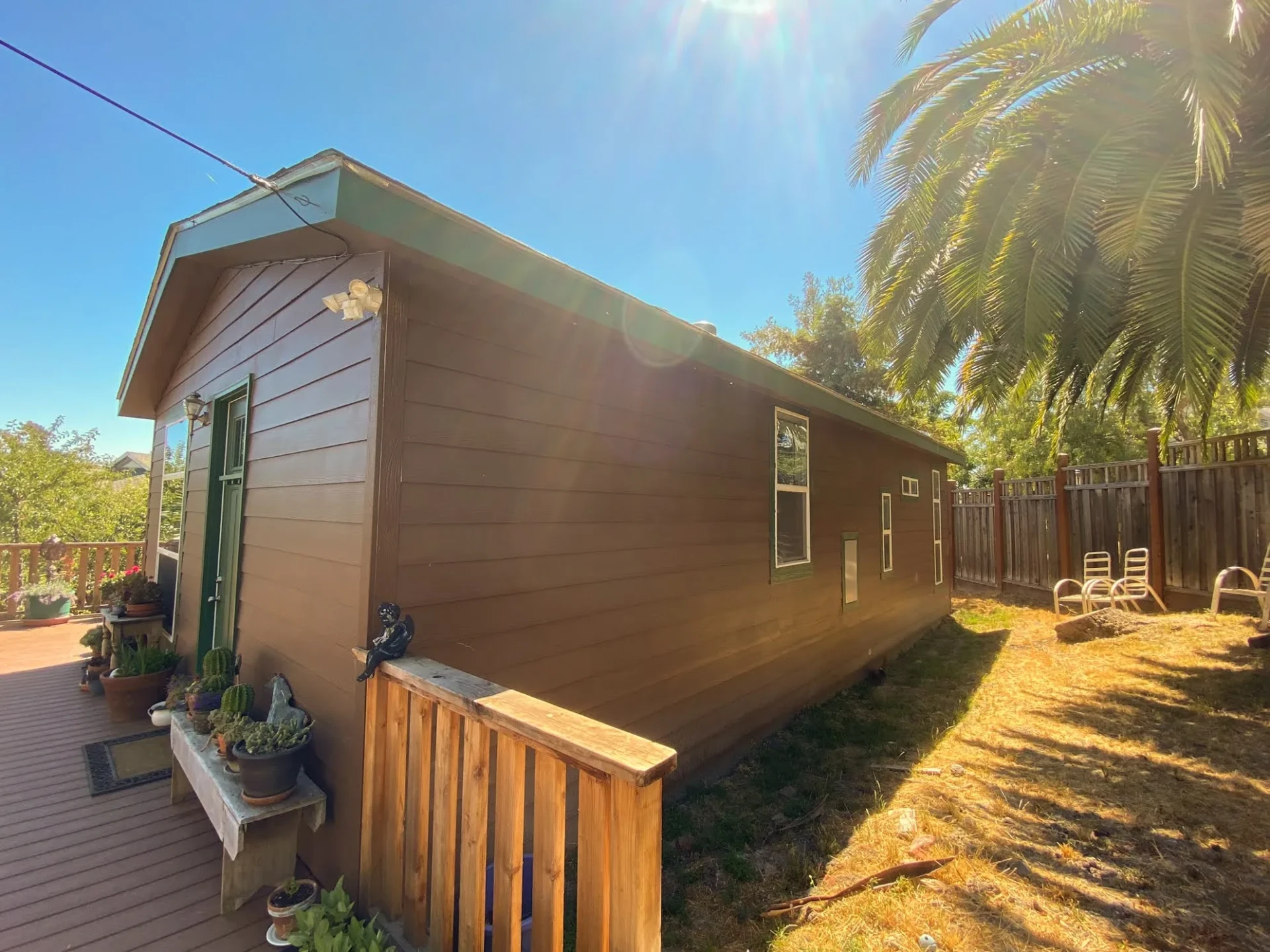
When housing demand is at crisis levels, timelines matter. Traditional construction can take a year or more, with delays from weather, labor shortages, or material backlogs. Prefab construction compresses those timelines dramatically. Factories produce components year-round, unaffected by local site conditions, while installation on prepared foundations takes only weeks.
This efficiency allows communities to respond quickly to housing shortages by creating Sonoma County second units for families. For renters, it means more supply entering the market sooner. For owners, it means faster returns on investment.
Flexibility for Every Lifestyle
Another myth about prefab housing is that it offers limited choice. In reality, today’s prefab homes are highly customizable, with layouts, finishes, and features to suit a variety of lifestyles. From compact ADUs that serve as caregiver cottages to spacious manufactured homes with modern amenities, homeowners can tailor designs to fit specific needs.
Providers like Sonoma Manufactured Homes specialize in guiding residents through this process, ensuring zoning compliance, coordinating manufactured home permits, and offering a wide selection of models. Their work highlights how prefab construction is less about compromise and more about possibility.
Sustainability as a Built-In Benefit
The environmental benefits of prefab housing are significant. Factories can recycle materials efficiently, minimize waste, and build homes that meet modern energy-efficiency standards. Many prefab designs integrate solar panels, smart home features, and drought-tolerant landscaping, aligning with California’s broader sustainability goals.
For homeowners exploring prefab ADUs in Sonoma County, these eco-friendly features are not just perks—they are long-term savings on utilities and maintenance. In a state where conservation is critical, prefab offers a way to expand housing without amplifying environmental strain.
A Path Forward
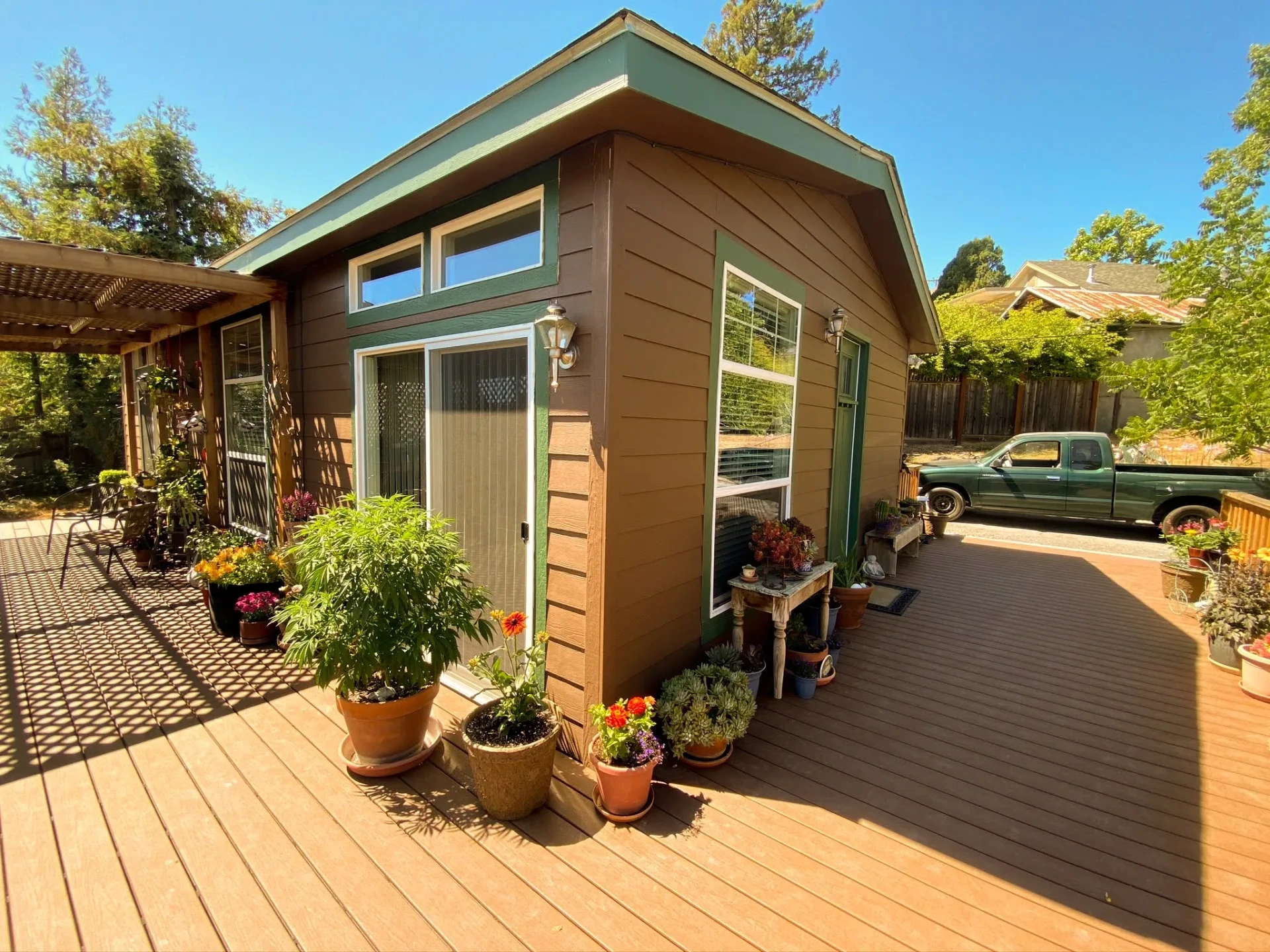
The affordable housing puzzle has no single solution. But prefab homes represent a powerful tool for tackling shortages in high-demand regions. By combining affordability, speed, flexibility, and sustainability, they are helping communities adapt to changing needs without compromising on quality.
Local experts like Sonoma Manufactured Homes demonstrate how these solutions can be implemented at the community level—supporting both individual homeowners and broader housing goals. Contact them at 415-233-0423. As demand continues to rise, prefab is proving that creativity, not crisis, can shape the future of housing.
About the Author
The author is a housing industry researcher and writer focused on affordable housing solutions and alternative construction methods. With over a decade of experience analyzing real estate trends, zoning policy, and modular building innovations, she contributes to publications that explore the intersection of housing affordability and sustainability. Jane’s work highlights practical approaches communities can adopt to meet modern housing challenges while maintaining livability, accessibility, and long-term value for homeowners.













Sign in to leave a comment.