You might not think twice about a steel post hammered into the ground—but that’s exactly where the story of star pickets begins. What looks like a simple piece of metal is quietly shaping how you fence land, secure construction sites, and even rethink durability in modern infrastructure.
Right now, if you search for Star Pickets Brisbane, you’ll notice how often companies like Harding Steel pop up—not just as suppliers, but as part of a growing conversation around stronger, faster, and more cost-effective fencing solutions. And honestly, once you dig into it, the popularity makes a lot of sense.
What Exactly Are You Looking At?
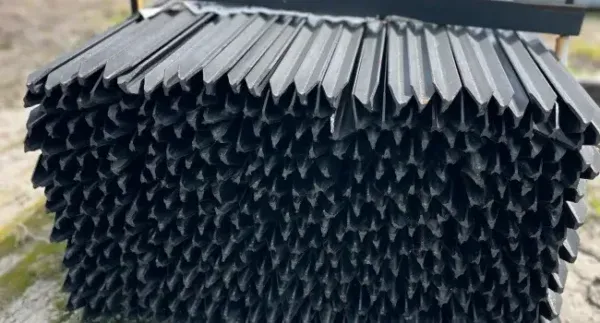
Let’s start simple. A star picket (also called a Y-post) is a steel fence post with a distinctive three-pointed star shape. That design isn’t just for looks—it gives the post extra grip and stability in the soil.
These posts are typically made from low-carbon or high-tensile steel, with pre-drilled holes so you can attach wire, mesh, or even temporary barriers. In other words, you’re not just dealing with a post—you’re dealing with a modular system and that’s where things start to get interesting.
Why You’re Seeing Star Pickets Everywhere
1. You Want Speed (And Nobody Has Time for Concrete)
Let’s be honest—digging holes, mixing cement, and waiting for it to cure isn’t exactly fun.
Star pickets skip all of that, You just drive them straight into the ground. No curing time. No heavy setup. This makes them incredibly appealing for large-scale projects, especially when time equals money.
In fact, their ability to be installed quickly across long distances is one of the main reasons they dominate fencing across regions like Australia and if you’ve ever worked on-site, you know: faster installation = fewer headaches.
2. You Need Strength Without Bulk
Here’s the paradox: star pickets are lightweight—but also incredibly strong.Their Y-shaped design distributes pressure effectively, allowing them to handle livestock, wind loads, and uneven terrain without bending easily.
That’s why they’re widely used in farms to contain animals and protect crops. But here’s the twist—you’re now seeing that same strength being used in construction zones, temporary barriers, and even event setups.
3. You’re Quietly Moving Away from Wood
This shift is happening more than you might realize. Timber fencing was once the standard, but its downsides—rotting, burning, and constant maintenance—are becoming harder to ignore. Steel offers a more durable, low-maintenance alternative, especially in harsh conditions.
You can even see this in online discussions, where one Reddit user noted, “There must be millions of kilometres of these fences.” It might sound exaggerated, but it reflects reality—steel posts like star pickets are steadily replacing wood because they last longer and require far less upkeep. And honestly, avoiding the hassle of frequent fence repairs just makes sense.
From Farms to Construction: The Shift You’re Part Of
Agriculture: The Original Playground
Star pickets started in agriculture—and they still dominate there.
You’ll find them:
- Supporting barbed wire fences
- Containing livestock
- Protecting crops from intruders
Their versatility makes them a go-to solution for farms of all sizes.
Construction: The Unexpected Upgrade
Here’s where things get interesting.
Star pickets are now widely used in construction sites to:
- Hold safety barriers
- Mark restricted zones
- Support temporary fencing
They’re paired with bright safety mesh to create quick, visible boundaries that keep workers and pedestrians safe.
And because they’re reusable, they’re perfect for projects that move or evolve over time.
Urban & DIY Projects: Your Weekend Fix
You’re not just seeing these in industrial settings anymore.
Homeowners and DIY enthusiasts are using star pickets for:
- Garden fencing
- Temporary enclosures
- Vineyard or plant support
Their ease of use makes them perfect for “I’ll just fix this quickly” projects—which, let’s be honest, often turn into full weekend jobs.
What Experts (and the Internet) Are Quietly Agreeing On ?
Even outside formal industry reports, there’s a growing consensus:
- Steel posts are replacing traditional materials
- Installation methods are shifting toward “no-dig” solutions
- Durability is becoming more important than aesthetics
Some fencing professionals even argue that driven steel posts can outperform concrete-set posts in certain conditions, because the surrounding soil compression holds them firmly in place.
Now, I’ll be honest—this isn’t universally agreed upon. Soil type, climate, and load all matter. But the trend is definitely moving in that direction.
The Real Advantages (And a Few Trade-Offs)
What Works in Your Favor ?
- Durability: Resistant to fire, pests, and rot
- Speed: No digging or curing required
- Versatility: Works with multiple fencing types
- Reusability: Easy to remove and reinstall
Star pickets are also known for performing well in extreme environments, from coastal areas to rocky terrain.
Where Things Get a Bit Complicated ?
Let’s not pretend they’re perfect.
- They can rust over time if not properly coated
- They’re not always ideal for heavy permanent structures
- Installation can be physically demanding (yes, hammering is tiring)
And aesthetically? Well… they’re not winning any design awards.
Why This Trend Is Bigger Than It Looks ?
Here’s where you zoom out.
Star pickets aren’t just about fencing—they reflect a broader shift in how you approach building and infrastructure:
- Efficiency over tradition
- Steel over timber
- Temporary flexibility over permanent rigidity
You’re seeing the same mindset in modular construction, prefabricated materials, and fast-install systems. In a way, star pickets are just one small piece of a much larger puzzle.
Where My Understanding Might Be Limited ?
Let’s be real for a second.
Most of the available information comes from manufacturers, suppliers, and practical user discussions. There’s less academic or large-scale research comparing long-term performance across all environments.
For example:
- How do star pickets perform over decades in highly corrosive soils?
- Are they always more cost-effective than alternatives in the long run?
- What’s their environmental impact compared to timber or concrete systems?
These are still open questions—and they matter more as adoption grows.
So, What Does This Mean for You?
If you’re working in agriculture, construction, or even DIY projects, star pickets offer something hard to ignore:
Speed + strength + simplicity.
That combination is rare.
And it’s exactly why searches like star pickets brisbane continue to rise, with suppliers like Harding Steel becoming part of everyday project planning rather than niche sourcing.
Final Thoughts: Where This Could Go Next
Looking ahead, you might see star pickets evolve in a few key ways:
- Better coatings for corrosion resistance
- Integration with smart fencing or monitoring systems
- More hybrid systems combining steel with other materials
Or, who knows—maybe something entirely new will replace them.
But for now, star pickets sit in that sweet spot between old-school practicality and modern efficiency.a nd sometimes, the simplest tools are the ones that quietly change everything.











Sign in to leave a comment.