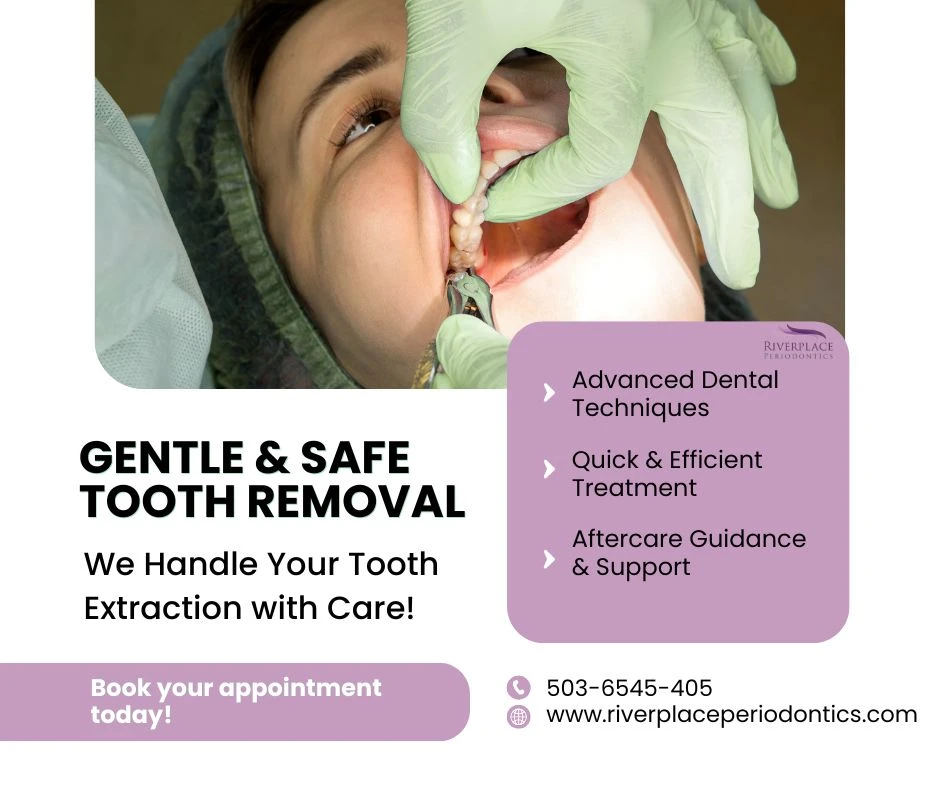
Dental pain can range from mild discomfort to intense, persistent throbbing that interferes with daily life. Common causes include severe tooth decay, infection, gum disease, crowding, or impacted wisdom teeth. When conservative treatments are no longer effective, tooth removal becomes the best solution to stop the pain and prevent further oral health complications. Recognizing the signs early allows patients to move toward relief sooner rather than enduring prolonged discomfort.
When Tooth Removal Becomes Necessary
Tooth removal is often recommended when a tooth is beyond repair or poses a risk to surrounding teeth and gums. Infections that spread to the root, advanced periodontal disease, or teeth that are fractured below the gum line may require extraction. Although the idea of losing a tooth can feel overwhelming, modern dentistry ensures that the procedure is safe, controlled, and focused on preserving overall oral health.
The Tooth Removal Procedure Explained
The extraction process begins with a thorough examination and imaging to assess the tooth and surrounding structures. Local anesthesia is used to numb the area, ensuring the patient remains comfortable throughout the procedure. Dentists carefully loosen and remove the tooth while minimizing trauma to the gums and bone. Thanks to advancements in dental techniques, most tooth removals are quicker and less intimidating than patients expect.
Healing and Recovery After Tooth Removal
After tooth removal, proper aftercare is essential for smooth healing. Patients are advised to rest, avoid strenuous activities, and follow instructions regarding diet and oral hygiene. Mild swelling or soreness is normal and typically subsides within a few days. Following post-procedure guidelines helps prevent complications such as dry socket and promotes faster recovery.
Moving Forward with Confidence and Comfort
The journey from pain to relief doesn’t end with tooth removal—it marks the beginning of improved oral health. Options such as dental implants, bridges, or other restorative treatments can help restore function and appearance. At Riverplace Periodontics, patients receive compassionate care, expert guidance, and personalized treatment plans to ensure comfort at every stage. With the right professional support, tooth removal becomes a positive step toward long-term dental wellness.










Sign in to leave a comment.