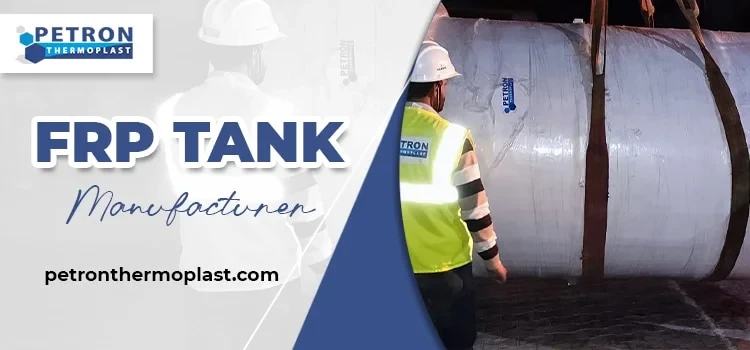

An FRP (Fiberglass Reinforced Plastic) tank is a storage solution made from a composite material consisting of a polymer matrix reinforced with fibers. These tanks are known for their strength, durability, and resistance to corrosion, making them an ideal choice for storing a variety of substances, including chemicals, water, and waste products.
Industrial Use Cases of FRP Tanks
FRP tanks are widely used across various industries due to their versatile nature. Here are some notable applications:
- Chemical Storage: FRP tanks are highly resistant to corrosion, making them perfect for storing acids, alkalis, and other corrosive substances.
- Water Treatment: These tanks are used in water treatment plants for storing clean and wastewater, thanks to their ability to withstand harsh environmental conditions.
- Food Processing: The non-reactive nature of FRP tanks ensures that they do not contaminate food products, making them suitable for food and beverage storage.
- Pharmaceuticals: In the pharmaceutical industry, FRP tanks are used for storing raw materials and finished products safely.
- Oil and Gas: The robustness of FRP tanks makes them ideal for storing petroleum products and other hydrocarbons.
How FRP Tanks Improve Efficiency
FRP tanks enhance operational efficiency in several ways:
- Longevity: The durable construction of FRP tanks reduces the need for frequent replacements, saving time and costs.
- Lightweight: Being lighter than metal tanks, FRP tanks are easier to transport and install, reducing labor and logistical expenses.
- Customization: FRP tank manufacturers can tailor these tanks to specific industrial requirements, ensuring optimal space utilization and functionality.
- Low Maintenance: The corrosion-resistant properties of FRP tanks mean they require less maintenance, leading to lower operational downtime.
FRP Tank Industrial Material Safety and Reliability
Safety and reliability are critical in industrial applications. FRP tanks meet these demands through:
- Chemical Resistance: FRP tanks are highly resistant to a wide range of chemicals, preventing leaks and ensuring safe storage.
- Structural Integrity: The reinforced plastic structure provides excellent strength, making the tanks resilient to physical impacts and environmental stressors.
- Non-Toxic: The materials used in FRP tanks do not leach harmful substances, ensuring the stored materials remain uncontaminated.
- Fire Resistance: Many FRP tanks are designed with fire-resistant properties, enhancing safety in high-risk environments.
Conclusion
FRP tanks are a cornerstone in various industries due to their exceptional durability, versatility, and cost-efficiency. By choosing a reputable FRP tank manufacturer, businesses can ensure they get high-quality storage solutions tailored to their specific needs. For those looking to invest in reliable and efficient FRP tanks, Petron Thermoplast stands out as a leading FRP Tank Manufacturer, offering customized and robust solutions to meet industrial demands.
Top 5 Real-Time FAQs
What materials are used in the construction of FRP tanks?
- FRP tanks are made from a polymer matrix, typically polyester or epoxy, reinforced with fiberglass fibers.
How long do FRP tanks last?
- With proper maintenance, FRP tanks can last up to 20-30 years, depending on the application and environmental conditions.
Are FRP tanks suitable for outdoor use?
- Yes, FRP tanks are highly resistant to UV rays and environmental factors, making them ideal for outdoor applications.
Can FRP tanks be customized?
- Absolutely. FRP tank manufacturers can design tanks to meet specific size, shape, and capacity requirements.
What industries benefit the most from using FRP tanks?
- Industries such as chemical processing, water treatment, food and beverage, pharmaceuticals, and oil and gas benefit significantly from using FRP tanks.
By partnering with a trusted FRP tank manufacturer like Petron Thermoplast, businesses can leverage the advantages of FRP tanks to enhance their operational efficiency and safety.










Sign in to leave a comment.