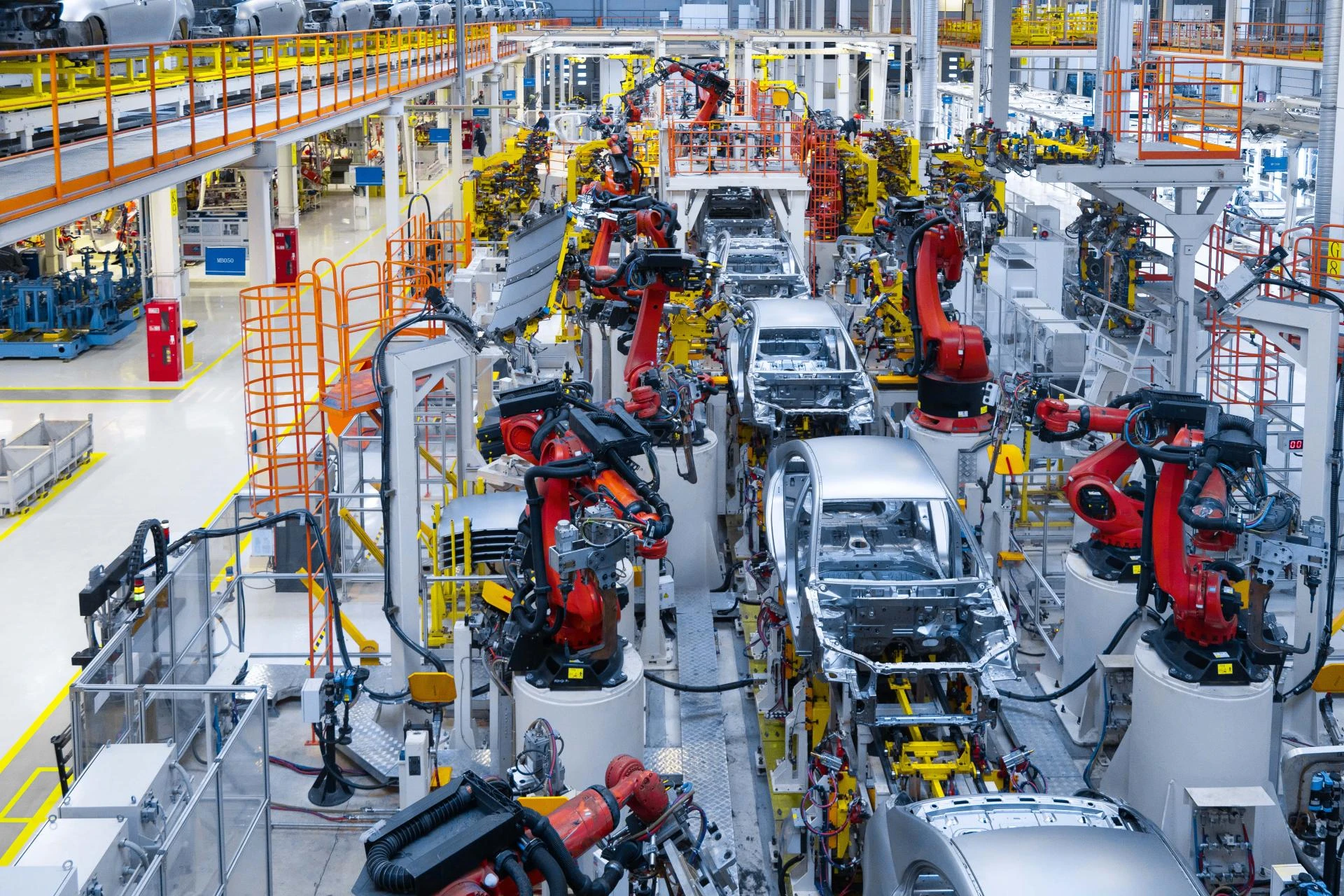

The car you see on the road today is nothing like the one from ten years ago. In fact, it’s not even just a car anymore—it’s a bundle of electronics, code, sensors, and smart design, all working together to get you from point A to B. That shift has changed what it means to be an automobile engineer.
If you’re studying automobile engineering or thinking about getting into it, there’s good news: the field is more exciting than ever. But it also means you’ll need to build skills that go far beyond nuts, bolts, and engine diagrams.
Let’s look at what’s becoming essential for tomorrow’s auto engineers.
1. You Can’t Ignore Electric Vehicles Anymore
Gone are the days when electric vehicles (EVs) were just fancy showpieces or rich-people toys. Now, even city taxis and delivery vans are switching to electric. If you’re planning a future in automotive design or development, understanding how EVs work isn’t just helpful—it’s necessary.
Here’s what you’ll want to dig into:
- How battery packs work, and how they’re managed
- Cooling systems for keeping batteries safe
- How regenerative braking stores energy
- How EVs are charged and the network behind it
Even a simple hands-on project—like converting a bicycle to electric—can help you start exploring this world.
2. Coding and Electronics Are the New Tools of the Trade
Modern vehicles aren’t just machines—they’re computers on wheels. They talk to each other, react to their surroundings, and even update themselves through software. If you're only focusing on mechanical systems, you're missing half the picture.
To stay ahead, you should learn the basics of:
- C or C++ for embedded systems
- Automotive communication protocols (like CAN bus)
- Using tools like Raspberry Pi or Arduino
- Diagnostic systems and error detection
Start small: try writing code to turn on a motor or display data from a sensor. These small steps add up.
3. Simulation is the New Workshop
Design used to start on a drawing board, then move to a prototype. Today, much of it happens virtually. Engineers use software to test everything—how a vehicle might behave at high speeds, how strong a frame is, or how air moves over a design.
Some useful platforms to get comfortable with:
- CATIA or SolidWorks for design
- MATLAB and Simulink for system modelling
- ANSYS for stress testing or fluid dynamics
Even basic exposure to these can help you visualize what you’re building long before you touch any tools.
4. Know Your Sensors and Cameras
You’ve probably seen cars that can park themselves or slam the brakes when a dog runs in front of them. That’s not magic—it’s sensors and smart software at work.
If this is an area you’re curious about, look into:
- How LIDAR and RADAR detect surroundings
- How cameras help with lane detection and sign reading
- The basics of sensor fusion (combining inputs from multiple devices)
This field blends electronics, logic, and machine learning—and it’s becoming central to how vehicles are designed.
5. Green Thinking is Not a Buzzword
Automobile engineers used to focus on horsepower and top speed. Now, many are thinking about how to reduce pollution, recycle materials, and make vehicles that don’t wreck the planet.
That means:
- Using lighter, stronger materials
- Designing with fewer emissions in mind
- Thinking about what happens when a vehicle reaches end-of-life
Companies are even using recycled plastics or plant-based interiors in their cars. It’s the kind of work that lets you make something cool and meaningful.
6. Don’t Underestimate Teamwork and Real-World Exposure
No matter how good you are technically, you’ll still have to work with others—designers, marketers, manufacturers, and sometimes even customers. The best way to sharpen this skill? Take part in group competitions or internships. Try events like Formula Student or SAE BAJA if you can.
It’s one thing to study vehicle dynamics in a classroom. It’s a whole different game when you’re building one with teammates, on a deadline, and with a limited budget.
So, Where Should You Start?
Look for institutions that don’t just stick to outdated syllabi. Find colleges where you can work on real projects, join labs with EV kits, and get exposure to what companies are really doing today.
Some of the best private engineering colleges in India are already updating their programs with these modern subjects—blending mechanical know-how with electronics, coding, and future-ready design thinking.
Ask questions. Explore what their alumni are doing. Find a place that helps you get your hands dirty while also thinking smart.
Final Thoughts
Automobile engineering today is less about fixing engines and more about creating the next big thing in mobility. Whether it’s a car that runs on solar power, one that drives itself, or one made from sustainable materials, the possibilities are wide open.
What matters most is your willingness to keep learning and your hunger to stay curious. The road ahead is full of challenges—but for the right kind of engineer, it’s also full of opportunity.










Sign in to leave a comment.