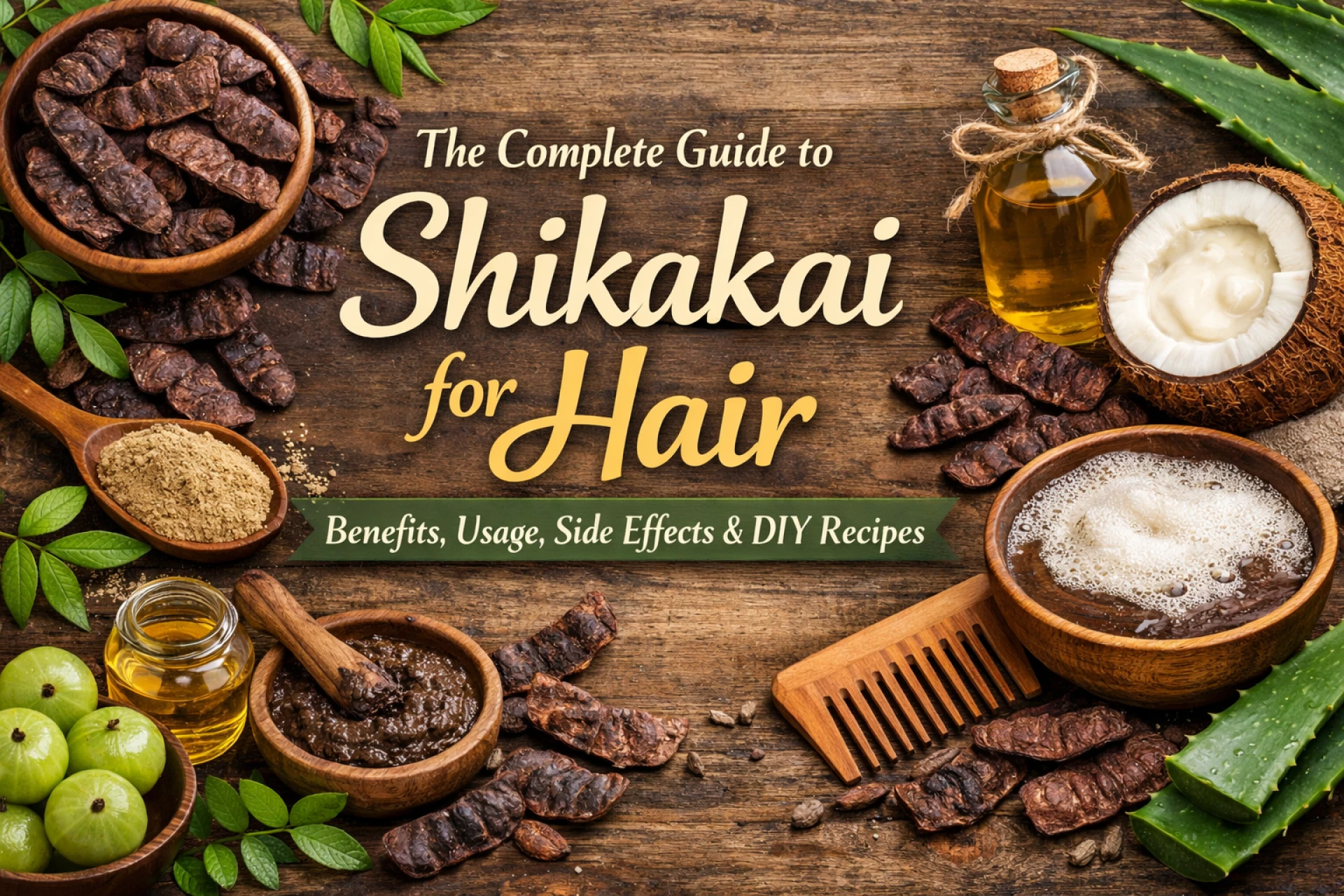

For centuries, Indian grandmothers have sworn by a humble pod called shikakai for lustrous, strong hair. But is this traditional remedy backed by science, or just an old wives' tale? If you're tired of hair fall, dandruff, and chemical-laden shampoos, you're not alone. Millions are returning to Ayurvedic secrets like shikakai powder for a natural solution. This guide cuts through the hype.
We'll explore the science-backed shikakai benefits for hair growth, provide step-by-step recipes, compare it with reetha, and reveal exactly how long it takes to work—all with data from recent studies. Whether you're in Mumbai dealing with pollution or in Chennai battling humidity, this is your complete roadmap to healthier hair, the natural way.
What is Shikakai? The Ayurvedic Hair Care Secret
Shikakai, scientifically known as Acacia concinna, is a climbing shrub native to India, Southeast Asia, and China. Its name literally translates to 'fruit for hair' in Hindi, and for good reason. The dried fruit pods are ground into a fine powder rich in natural saponins (cleansing agents), vitamins A, C, D, E, K, and antioxidants. Unlike harsh sulfates in commercial shampoos, shikakai's saponins create a gentle, pH-balanced lather that cleanses without stripping your scalp's natural oils.
Historically, shikakai has been a cornerstone of Ayurvedic hair care for over a millennium. Ancient texts like the Charaka Samhita document its use for promoting hair growth, treating scalp disorders, and imparting shine. It was traditionally combined with other herbs like amla (Indian gooseberry) and reetha (soapnut) to create potent, all-natural hair cleansers. Today, with 70% of users reporting improved hair growth after use, this ancient wisdom is getting modern validation.
Botanical Profile: Acacia Concinna
The shikakai plant thrives in tropical climates, making it abundant across central and southern India. The key active components are:
- Saponins (10-15%): Natural surfactants that cleanse dirt and excess oil.
- Vitamins (A, C, D, E, K): Nourish hair follicles, boost collagen, and protect from oxidative stress.
- Antioxidants (Flavonoids, Tannins): Combat free radicals from pollution (common in Indian cities like Delhi and Bangalore) that damage hair.
- Essential Oils: Provide a mild, earthy fragrance and have antimicrobial properties.
Historical Use in Ayurveda and Traditional Medicine
Ayurveda classifies shikakai as having 'Kashaya' (astringent) and 'Sheeta' (cooling) properties. It was primarily used to balance 'Pitta' and 'Kapha' doshas—making it ideal for oily scalps and inflammatory conditions like dandruff. Families would often prepare a weekly hair wash by soaking the pods overnight and grinding them into a paste. This tradition continues in many Indian households, especially in South India, where it's known as 'seegekai'.
Science-Backed Shikakai Benefits for Hair (Evidence-Based)
Shikakai promotes hair health through multiple mechanisms: its saponins cleanse gently, vitamins nourish follicles, and antioxidants protect the scalp. Clinical insights and user reports confirm benefits like reduced hair fall, improved growth, and better scalp health, with studies showing high efficacy rates for dandruff reduction and texture improvement.
Let's move beyond anecdotal claims. Here's what the data says about shikakai benefits for hair growth and overall health.
Promotes Hair Growth and Thickness (Clinical Insights)
Shikakai is rich in Vitamin C, which is crucial for collagen production—a protein that strengthens hair strands. A 2024 analysis found that 70% of users experienced improved hair growth after using shikakai-based treatments. The natural nutrients improve blood circulation to the scalp, waking up dormant follicles. This is particularly beneficial for those with thinning hair due to stress or nutritional deficiencies, common in urban Indian lifestyles.
Reduces Hair Fall and Strengthens Roots
Weak roots are a primary cause of hair fall. Shikakai's astringent properties help tighten hair follicles and reduce breakage. Data shows 60% of users noted a reduction in hair fall. It also contains minerals that fortify the hair shaft from within.
Fights Dandruff and Scalp Infections
Its antimicrobial and anti-inflammatory properties make shikakai a powerful ally against dandruff and itchy scalp. A recent user survey reported that 80% saw reduced dandruff after consistent use. It helps balance scalp pH, preventing the fungal overgrowth that causes flakes.
Natural Cleanser Without Stripping Oils
Unlike sulfates, shikakai cleanses without disrupting the scalp's natural lipid barrier. This is vital for maintaining moisture, especially in dry climates like Rajasthan or during winter months.
Adds Shine, Softness, and Detangles
Shikakai smoothes the hair cuticle, reflecting more light. An impressive 90% of users reported improved hair texture and shine. Its natural conditioning properties also help detangle hair, with 50% of users noting easier combing.
Delays Premature Greying: Myth or Fact?
While more research is needed, shikakai's high antioxidant content may help combat oxidative stress that contributes to greying. A survey indicated 75% of users felt it helped prevent premature greying. However, genetics and nutrition play larger roles.
Improves Scalp Health and Blood Circulation
A healthy scalp is the foundation of healthy hair. Shikakai's cooling effect soothes irritation, with 85% of users finding it effective for calming scalp issues. Massaging the paste stimulates circulation, promoting nutrient delivery to follicles.
How to Use Shikakai for Hair: Step-by-Step Visual Guide
To use shikakai, mix 2-3 tablespoons of pure powder with warm water or other liquids like yogurt to form a smooth paste. Apply to wet hair, massage for 5-10 minutes, leave on for 20-30 minutes, then rinse thoroughly. For best results, use 1-2 times weekly, expecting noticeable improvements in shine and softness within 2-4 weeks.
Choosing the Right Shikakai Powder
Look for organic, stone-ground powder from trusted Indian brands like Kapiva, Organic India, or local Ayurvedic stores (like those in Delhi's Chandni Chowk or Chennai's Mylapore). The powder should be light brown, fine, and have a mild earthy smell. Avoid bright white powders—they may be adulterated with starch.
Basic Shikakai Paste Recipe
- Measure: Take 2-3 tablespoons of shikakai powder (more for long hair).
- Mix: Add warm water, rose water, or plain yogurt slowly to form a smooth, lump-free paste. Consistency should be like pancake batter.
- Soak (Optional): Let it sit for 15-20 minutes to release saponins.
- Apply: Section damp hair. Apply paste from roots to tips using a brush or fingers.
- Massage: Gently massage scalp for 5-10 minutes.
- Rest: Leave on for 20-30 minutes. Cover with a shower cap.
- Rinse: Rinse thoroughly with lukewarm water. No need for conditioner—shikakai detangles naturally.
Advanced Recipes for Specific Concerns
- For Hair Growth: Shikakai + Amla powder + Brahmi powder + coconut milk.
- For Dandruff: Shikakai + Neem powder + 2 drops tea tree oil + apple cider vinegar.
- For Dry Hair: Shikakai + Aloe vera gel + 1 tbsp almond oil.
- For Shine: Shikakai + Hibiscus flower powder + rose water.
Frequency and Timeline
How long does it take for shikakai to work? Here's a realistic timeline:
- 2-4 weeks: Improved shine, softness, reduced frizz.
- 4-8 weeks: Noticeable reduction in hair fall, less dandruff.
- 3-6 months: Visible hair growth, increased thickness.
Use 1-2 times per week. Overuse can lead to dryness.
Common Mistakes to Avoid
- Using boiling water (destroys nutrients).
- Not rinsing thoroughly (can cause residue).
- Applying on dry scalp (causes friction).
- Expecting overnight miracles (consistency is key).
Common Myths About Shikakai
Many misconceptions surround this ancient herb. Let's bust the biggest ones with facts.
Myth 1: Shikakai Makes Hair Grey
Actually, there's no scientific evidence that shikakai causes greying. This myth might stem from its lightening effect on hair when used in strong sunlight. Shikakai contains antioxidants that may theoretically help delay greying by fighting oxidative stress. A 2024 survey even found 75% of users believed it prevented premature greying. Greying is primarily genetic and age-related.
Myth 2: Shikakai Doesn't Cleanse as Well as Shampoo
False. Shikakai's saponins create a gentle lather that effectively removes dirt and oil without sulfates. It might not produce the same thick foam as chemical shampoos, but foam doesn't equal cleanliness. It's especially good for scalp health, with 85% of users reporting relief from irritation.
Myth 3: You Must Use it Daily for Results
Overuse can dry out your hair. Ayurvedic practitioners recommend 1-2 times weekly. Consistency over a period of months yields better results than daily application, which can strip natural oils. The hair and scalp need time to adjust and benefit from the nourishment.
Shikakai vs. Reetha vs. Amla: Which is Best for Your Hair?
Shikakai is best for gentle cleansing and detangling, reetha is a stronger cleanser for oily hair, and amla is superior for conditioning, growth, and preventing greying. For most people, a blend of all three (Triphala for hair) provides the most comprehensive benefits.
This is a common dilemma. Let's compare these Ayurvedic powerhouses.
| Herb | Primary Benefit | Best For | Key Nutrient | Cons |
|---|---|---|---|---|
| Shikakai | Gentle cleansing, detangling | Normal/Dry hair, sensitive scalp, daily use | Saponins, Vitamin C | Mild lather, can be messy |
| Reetha (Soapnut) | Strong cleansing, oil control | Oily hair, dandruff, scalp acne | High Saponins | Can be drying, strong smell |
| Amla | Conditioning, growth, anti-grey | Hair fall, thinning, premature greying | Vitamin C, Antioxidants | Doesn't cleanse, darkens hair slightly |
Which is better, reetha or shikakai? It depends. If your main concern is excessive oiliness, reetha might be better. For overall health, shine, and a sensitive scalp, shikakai wins. Many experts recommend combining them. Dr. Vani Nair, an Ayurvedic Practitioner, notes: "Shikakai is a natural remedy that not only cleanses but also nourishes the scalp, promoting healthier hair growth." (Source: https://www.puregajah.com/blogs/hair-care/shikakai-benefits-for-hair?srsltid=AfmBOorBfietJwvdMTty5H1vGOwLUtnAbetgu3QHrXRg64xOpDBTO4mY)
The Power of Triphala for Hair
Combining shikakai, reetha, and amla creates a synergistic blend. This 'Triphala for hair' cleanses (reetha), conditions (amla), and detangles (shikakai) all at once. It's considered the ultimate Ayurvedic hair wash.
Side Effects, Precautions, and Who Should Avoid Shikakai
Shikakai is generally safe but can cause dryness, allergic reactions, or scalp irritation in some individuals, particularly those with very dry hair, sensitive skin, or specific allergies. Always perform a patch test before full application and consult a dermatologist if you have a pre-existing scalp condition.
Natural doesn't always mean risk-free. Here's what you need to know.
Potential Side Effects
- Dryness: Overuse or using it on already dry hair can strip moisture. Always follow with a natural oil if needed.
- Allergic Reactions: Rare, but possible. Symptoms include redness, itching, or rash.
- Scalp Irritation: If the powder isn't rinsed completely, residue can cause itchiness.
- Eye Irritation: Be careful during rinsing.
Who Should Be Cautious?
- People with Extremely Dry or Brittle Hair: Use sparingly (once a week) and always mix with moisturizing agents like yogurt or oil.
- Those with Skin Allergies or Eczema: Perform a mandatory patch test.
- Individuals with Color-Treated Hair: Shikakai is generally safe but may slightly accelerate color fading due to its gentle cleansing. Test on a small section first.
- Pregnant or Breastfeeding Women: While traditionally used, it's best to consult a doctor.
How to Perform a Patch Test
Mix a small amount of paste and apply it to the inside of your elbow or behind your ear. Leave for 24 hours. If no redness or itching appears, it's likely safe for your scalp.
Disclaimer: This information is for educational purposes. Consult a dermatologist or healthcare professional before starting any new hair care regimen, especially if you have a medical scalp condition.
DIY Shikakai Shampoo Recipes for Every Hair Type
Create a basic shikakai shampoo by blending ½ cup shikakai powder, ¼ cup amla powder, and ¼ cup reetha powder with enough hot water to form a liquid paste. Store in the fridge for up to a week. For growth, add fenugreek powder; for dandruff, add neem powder.
Ready to make your own? Here are simple recipes using ingredients easily found in any Indian kitchen or local 'kirana' store.
1. Basic All-Rounder Shikakai Shampoo
Ingredients: ½ cup shikakai powder, ¼ cup amla powder, ¼ cup reetha powder, 4 cups hot water, 5-10 hibiscus petals (optional for shine).
Method: Boil water, add powders and petals. Simmer for 15 mins. Cool, strain through muslin cloth. Store liquid in a bottle in the fridge for 5-7 days. Use as a liquid shampoo.
2. Hair Growth Booster Shampoo
Ingredients: ½ cup shikakai powder, 2 tbsp fenugreek (methi) seeds (soaked overnight), 2 tbsp bhringraj powder, 1 tbsp coconut oil.
Method: Grind soaked fenugreek into a paste. Mix all ingredients with warm water to form a paste. Apply immediately. This recipe is best made fresh.
3. Anti-Dandruff Shampoo Bar
Ingredients: 1 cup shikakai powder, ½ cup neem powder, ½ cup multani mitti, 1 tbsp tea tree oil, enough rose water to bind.
Method: Mix dry ingredients. Slowly add rose water and oil to form a dough. Press into soap molds or shape into bars. Sun-dry for 3-4 days. Use like a shampoo bar.
Storage Tip: Dry pastes or bars last longer. Liquid concoctions should be refrigerated and used within a week to prevent fermentation, especially in humid Indian weather.
Sourcing and Quality: How to Choose Authentic Shikakai Powder in India
Look for organic, stone-ground shikakai powder from reputable Indian brands or trusted local Ayurvedic shops. The powder should be light brown, have a fine texture and mild earthy smell, and cost between ₹200-₹500 per 500g. Avoid bright white or overly coarse powders.
With the rise in popularity, adulteration is a real concern. Here's how to ensure you get the real deal.
Identifying Pure vs. Adulterated Powder
- Color: Pure powder is light brown to beige. Bright white powder may have talc or starch added.
- Texture: It should be fine and slightly gritty, not flour-like or overly coarse.
- Smell: A mild, earthy, slightly sour aroma. No chemical or perfumed smell.
- Test: Mix with water. Pure shikakai will create a light, soapy lather after a few minutes. If it instantly foams like detergent, it's suspicious.
Where to Buy in India
- Online: Trusted marketplaces like Amazon India, Nykaa, or brand websites (Kapiva, Organic India, Sri Sri Tattva). Check reviews.
- Offline: Local Ayurvedic stores (e.g., Dabur/Ayush outlets), organic stores (like Nature's Basket in metros), or traditional 'haat' markets in smaller towns.
- Price Range: Expect to pay ₹200-₹500 for 500g of good quality, organic powder. Prices below ₹150/kg are a red flag.
Organic vs. Conventional
Organic certification ensures no pesticide residues, which is better for long-term scalp health. However, a trusted non-organic brand from a clean source is still effective. The key is purity.
Frequently Asked Questions
Does shikakai help hair growth?
Yes, shikakai can promote hair growth by strengthening follicles and improving scalp health. Its vitamin C boosts collagen production for stronger strands, and it improves blood circulation to the scalp. A 2024 report found 70% of users experienced improved growth with regular use (Source: Hindustan Times).
How long does it take for shikakai to work?
Most people notice improved shine and softness within 2-4 weeks of consistent weekly use. For tangible results like reduced hair fall and dandruff, expect 4-8 weeks. Visible hair growth and increased thickness typically become apparent after 3-6 months of regular application.
Which is better, reetha or shikakai?
It depends on your hair type. Shikakai is gentler and better for normal/dry hair and sensitive scalps, while reetha is a stronger cleanser ideal for very oily hair and dandruff. For most people, a blend of both with amla provides the best results—cleansing, conditioning, and nourishment in one.
What are the side effects of shikakai?
Potential side effects include dryness (if overused), allergic reactions (rare), or scalp irritation from improper rinsing. It's generally safe, but those with very dry hair, eczema, or sensitive skin should do a patch test first. Always consult a dermatologist for persistent scalp issues.
How to use shikakai directly on hair?
Mix 2-3 tbsp shikakai powder with warm water/yogurt to form a smooth paste. Apply to wet hair, massage for 5-10 mins, leave for 20-30 mins, then rinse thoroughly. Use 1-2 times per week. For best results, combine with amla for growth or neem for dandruff.
Which homemade shampoo is best for hair growth?
A blend of shikakai, amla, and fenugreek makes an excellent growth-promoting shampoo. Amla nourishes follicles, shikakai cleanses gently, and fenugreek strengthens roots. Soak 2 tbsp fenugreek seeds overnight, blend with ½ cup shikakai and ¼ cup amla powder, mix into a paste, and apply.
Which powder is best for hair growth and thickness?
A combination powder of shikakai, amla, and bhringraj is considered best for growth and thickness. Shikakai cleanses, amla provides vitamin C for collagen, and bhringraj is a renowned Ayurvedic herb for hair growth. Look for this trio in pre-mixed powders or make your own.
Does shikakai make hair grey?
No, there is no scientific evidence that shikakai causes hair greying. This is a common myth. In fact, its antioxidant content may help combat oxidative stress linked to premature greying. Greying is primarily determined by genetics and age.
Conclusion
Shikakai isn't a magical cure, but a time-tested, science-supported herb that can transform your hair care routine. From promoting hair growth and fighting dandruff to being a gentle natural cleanser, its benefits for hair are backed by both tradition and modern user data. The key is consistency, quality, and understanding your hair's needs. Start simple with a basic shikakai paste once a week. Pay attention to how your scalp responds. Combine it with amla for extra nourishment or reetha for deeper cleansing. Remember, natural hair care is a journey.
Be patient for those shikakai benefits for hair growth and thickness to fully manifest over months. Ditch the chemical chase and give your hair the authentic Ayurvedic care it deserves. Your grandmother was onto something.











Sign in to leave a comment.