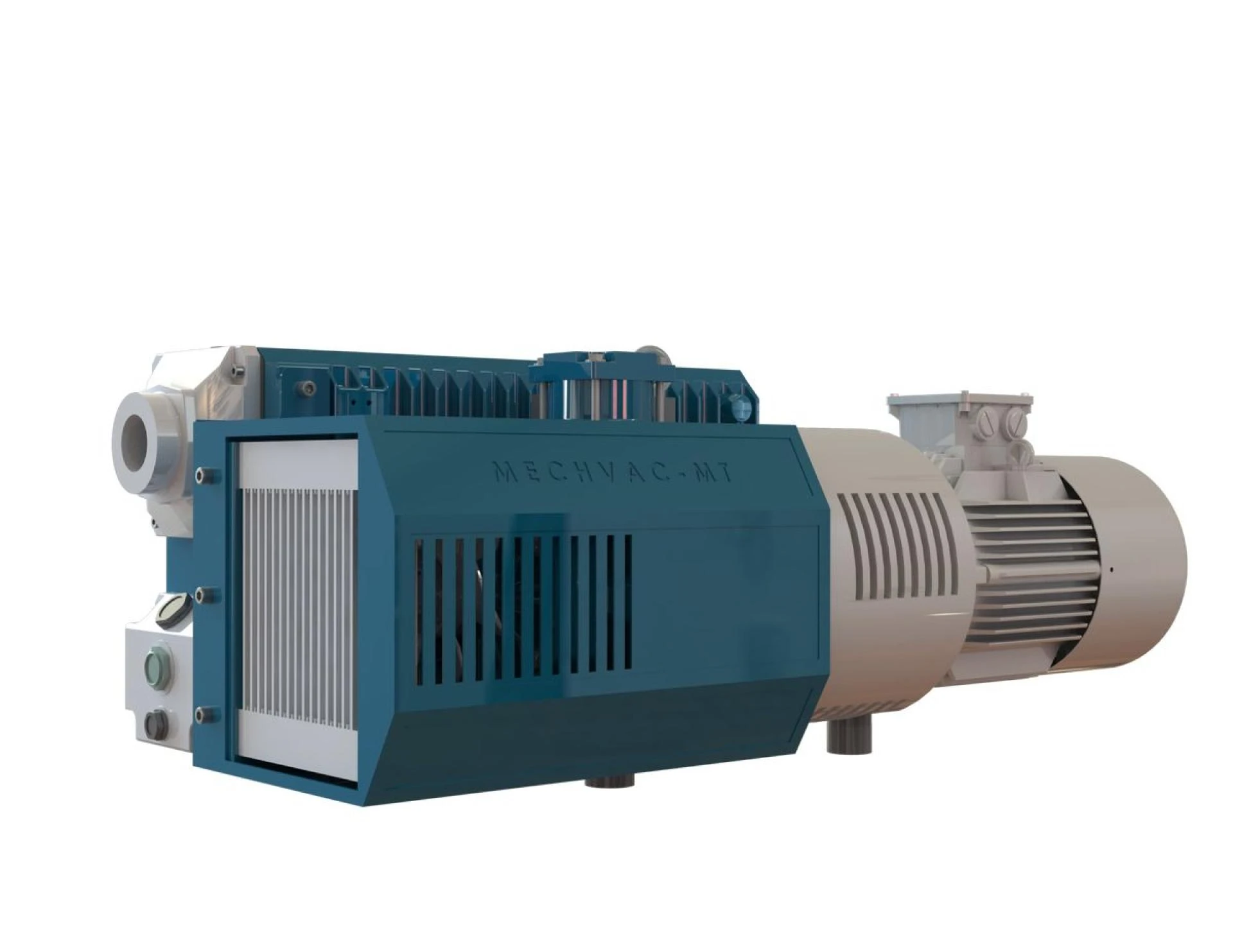

Rotary vane oil-sealed units have long been a dependable choice in industries that require efficient vacuum generation. Known for their durability, stable performance, and versatility, these pumps are essential for everything from laboratory work to heavy industrial applications. But how exactly do they work, and why are they so widely used? This guide breaks it down for you.
How They Work
At the heart of these units is a rotor positioned eccentrically inside a cylindrical housing. The rotor has sliding vanes that move outward under centrifugal force, creating compartments of varying volume. As the rotor spins, air or gas is drawn in through the inlet, compressed, and then expelled through the exhaust. The presence of lubricating oil helps form a tight seal, reduces wear, and aids in heat dissipation. In many setups, an Oil Sealed Rotary Vacuum Pump provides the stability and efficiency required for continuous operation.
Key Features and Benefits
- High Efficiency – They maintain consistent performance over long operating periods.
- Durability – The oil lubrication minimizes friction and extends the life of moving parts.
- Quiet Operation – Their design reduces vibration and noise levels.
- Versatility – Suitable for various applications, from packaging to chemical processing.
Applications Across Industries
Rotary vane oil-sealed units are found in a wide range of industries, including:
- Food Packaging – For vacuum sealing and preservation.
- Pharmaceuticals – Supporting sterile production environments.
- Automotive – Used in air conditioning servicing and brake system repairs.
- Research Labs – For controlled experiments requiring low pressure.
Maintenance Tips
Regular upkeep is crucial for longevity. This includes monitoring oil levels, replacing oil at recommended intervals, checking for worn vanes, and ensuring all seals remain intact. Following a proper maintenance schedule can prevent unexpected breakdowns and costly downtime.
Conclusion
Rotary vane oil-sealed units combine mechanical simplicity with dependable performance, making them indispensable in both small-scale operations and large industrial setups. Understanding their working principles, benefits, and maintenance needs ensures you get the most from your equipment for years to come.










Sign in to leave a comment.