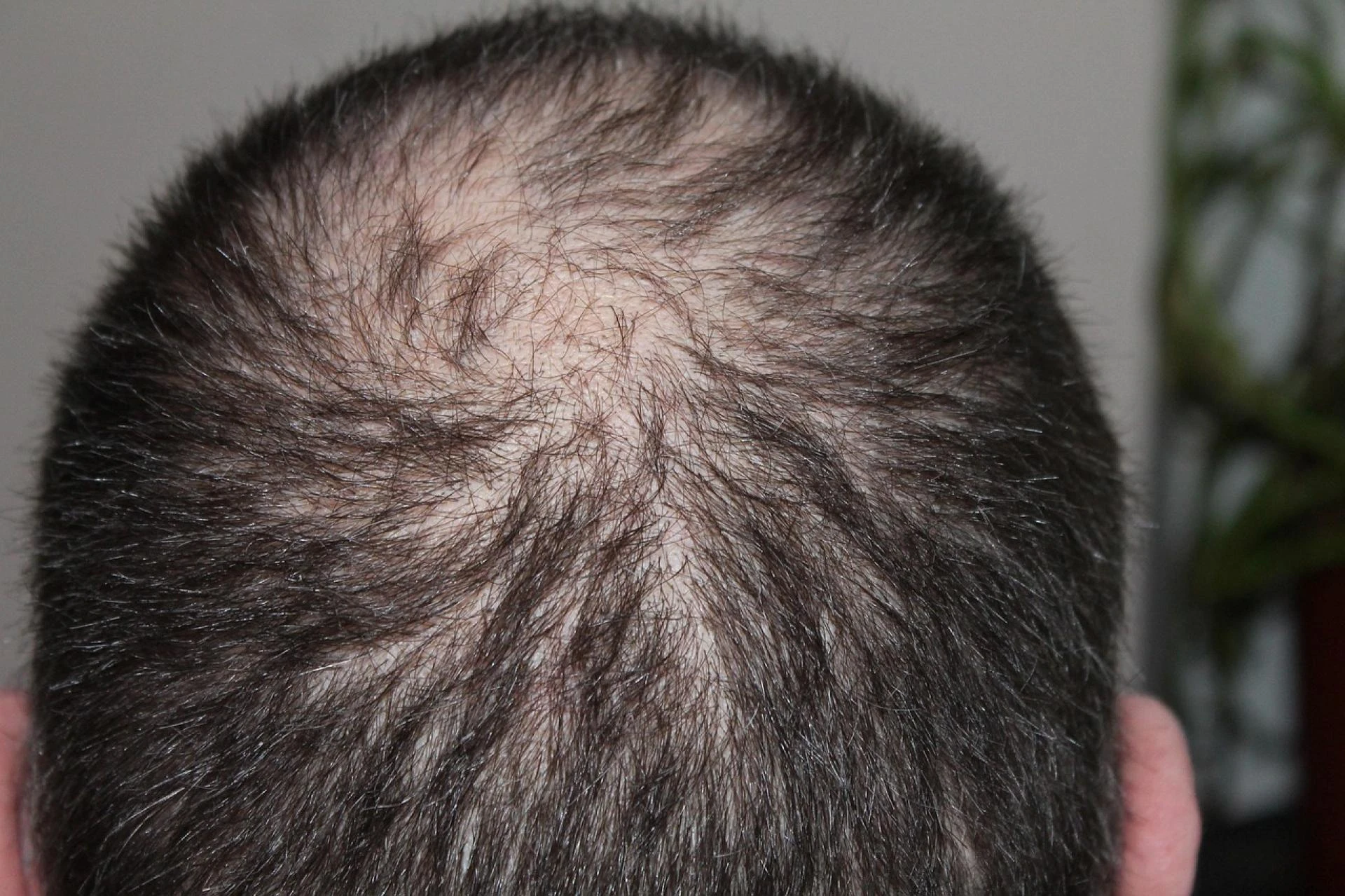

Hair loss is a common issue for people over the age of 30. It is a normal occurrence to shed about 100 hair strands every day as part of the hair’s natural growth/regrowth cycle. However, when the hair does not grow back, it can indicate an underlying cause or condition.
Thanks to science and the growing research on how to tackle hair loss, there are several options you can try to regrow your hair. Are you above 30 and experiencing hair loss caused by various factors? Let’s review a few advanced options that can help you restore your hair.
Causes of Hair Loss
Hair loss can result from different factors and some of them are highlighted below.
Shedding of hair may be caused by various reasons such as health, genetics, stress and even change in diet and lifestyle. This condition also known as alopecia can affect one’s self-esteem, appearance and mental health.
Androgenetic Alopecia is a very common type of hair loss in all genders. In males, this type of hair loss leads to baldness and receding hair lines while in females, it can result in hair thinning. This pattern of hair loss can be as a result of genetics, which means that it is hereditary. It may also be caused by other factors such as changes in hormones, medications and even diet.
Your hormones and immune system are affected due to stress, which releases the stress hormone cortisol. Increased stress or lack of restful sleep negatively impacts your immune system, opening the door for potential other side effects, such as a hair loss.
Advanced Options for Hair Loss
If you are over 30 and you are suffering from hair loss, here are some effective advanced options to regrow your hair.
Platelet-Rich Plasma
Platelet-rich plasma (PRP) is a form of therapy that is used for hair loss treatment. This method is done by taking blood from the patient and separating the growth component from the blood through centrifugation. The blood which contains the platelet-rich plasma is then injected into the patient’s scalp where there is hair loss through the use of a fine needle.
The PRP method is more effective for patients with androgenetic alopecia and it is usually carried out over several months to achieve the desired results. Also, maintenance therapy is necessary for this procedure to make sure that the treatment result stays.
Hair Transplant
Hair transplant surgery is a common treatment for people experiencing hair loss. This surgery is usually performed with the patient and a donor in a surgical lab under anaesthesia. For the hair loss treatment, hair follicles are removed from a donor with more hair and transplanted to the scalp of the patient with the hair loss.
The donor hair is mostly harvested from the back or sides of the donor’s scalp where the hair is not usually affected by thinning. Hair transplant surgery is a procedure that is recommended for people who want a lasting and permanent treatment for their hair loss.
Microneedling
Microneedling is a procedure that makes use of specialized needles to create tiny injuries on the scalp where there is less hair. These injuries in turn lead to the creation of collagen, which is a protein necessary for hair growth. Once the injuries start to heal, the protein and other growth factors that will enable hair growth starts to function.
Microneedling may be more efficient for hair loss treatments when it is combined with other procedures or drugs like minoxidil.
Low-Level Laser Therapy
Low-level laser therapy, or red light laser therapy, is a treatment for laser hair restoration that makes use of low or red light lasers to stimulate the growth of hair follicles. This procedure is not painful, can be administered through wearable devices, and its primary aim is to increase the supply of blood to the scalp, especially areas with hair loss. This blood supply helps to stimulate the hair growth factors and can be combined with minoxidil for effective treatment.
Use of Prescription Drugs
Drugs such as minoxidil and finasteride are popular prescriptions for hair loss treatments. Minoxidil is a hair treatment that is used by applying it directly to the scalp or the affected area. This helps to stimulate the hair growth factors and improve blood supply to the scalp. Unlike the minoxidil, finasteride is taken orally into the mouth. This drug also works for hair growth and healthy scalp.
Finasteride is usually not given to females who menstruate or are pregnant. This is because finasteride can reduce the level of DHT which is a male hormone. The drug can also become harmful to pregnant females with male fetuses and cause damage to their male growing hormones and tissues.
Regain Your Confidence Through Advanced Hair Loss Solutions
Hair loss is a common condition particularly for people over the age of 30. With more research being done for hair loss treatments, there is an abundance of treatments that suit your needs. Identify the cause of your hair loss and get the right solution.











Sign in to leave a comment.