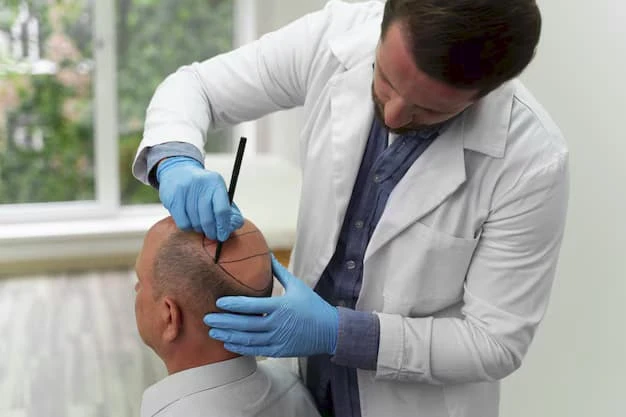

Hair loss is a concern that affects millions of individuals worldwide, with varying degrees of severity and causes. In Birmingham, numerous clinics offer an array of hair loss treatments tailored to meet the diverse needs of their clients. These clinics provide advanced solutions, ranging from non-invasive procedures to surgical interventions, ensuring that each individual receives the most suitable treatment for their specific condition. In this article, we will delve into the various hair loss treatments available at clinics in Birmingham, exploring their effectiveness, techniques, and the overall patient experience.
Understanding Hair Loss
Before diving into treatment options, it is essential to understand the underlying causes of hair loss. Factors such as genetics, hormonal changes, nutritional deficiencies, and certain medical conditions can contribute significantly to thinning hair or baldness. The most common type of hair loss is androgenetic alopecia, often referred to as male or female pattern baldness. This condition is hereditary and typically results in gradual thinning, starting at the temples or crown of the head.
Other causes include alopecia areata, an autoimmune disorder that leads to sudden hair loss, and telogen effluvium, which can occur due to stress or hormonal fluctuations. Understanding the specific type of hair loss an individual is experiencing is crucial in determining the most effective treatment pathway.
Non-Surgical Hair Loss Treatments
Topical Treatments
Clinics in Birmingham often recommend topical treatments as a first-line solution for hair loss. One of the most popular options is minoxidil, a topical solution that promotes hair growth and slows down hair loss. Available over-the-counter, minoxidil is applied directly to the scalp and works by increasing blood flow to hair follicles, revitalizing shrunken hair follicles, and increasing their size, which in turn prolongs the growth phase of the hair cycle.
Patients typically begin to see results within a few months of consistent use. However, it is important to note that results can vary, and continued use is necessary to maintain any improvements achieved.
Oral Medications
For those experiencing more significant hair loss, oral medications may be recommended. Finasteride is a prescription medication that blocks the formation of dihydrotestosterone (DHT), a hormone linked to hair loss in men. By reducing DHT levels, finasteride can effectively halt hair loss and promote regrowth in many individuals.
However, this treatment is primarily prescribed for men and may come with potential side effects, which should be discussed thoroughly with a healthcare professional. Both topical and oral medications can serve as effective solutions, especially when initiated early in the hair loss process.
Platelet-Rich Plasma (PRP) Therapy
Another innovative treatment gaining popularity in Birmingham is platelet-rich plasma (PRP) therapy. This non-surgical procedure involves drawing a small amount of the patient's blood and processing it to isolate the platelets. These platelets, rich in growth factors, are then injected into the scalp to stimulate hair follicles.
PRP therapy has shown promising results in clinical studies, with many patients reporting increased hair density and growth. The procedure typically requires multiple sessions and maintenance treatments, but the benefits can be significant, making it an attractive option for those seeking non-invasive solutions.
Surgical Hair Loss Treatments
Hair Transplant Surgery
For individuals with advanced hair loss, surgical options may be the most effective solution. Hair transplant surgery involves relocating hair follicles from a donor site (typically the back of the head) to areas experiencing thinning or baldness. There are two primary techniques used in hair transplant surgeries: follicular unit transplantation (FUT) and follicular unit extraction (FUE).
FUT involves removing a strip of scalp from the donor site, from which individual follicular units are then dissected and transplanted. On the other hand, FUE entails extracting individual hair follicles directly from the scalp without the need for a linear incision. Both methods can yield natural-looking results, but the choice between them typically depends on the patient’s hair loss pattern, donor hair availability, and personal preference.
Scalp Micropigmentation
For those who prefer not to undergo surgery, scalp micropigmentation can be an effective alternative. This non-invasive procedure involves tattooing tiny dots on the scalp to mimic the appearance of hair follicles. The technique can create the illusion of a fuller head of hair, making it particularly appealing to individuals with thinning hair or complete baldness.
Scalp micropigmentation is suitable for both men and women and is a versatile option that can complement other hair loss treatments. It requires minimal downtime and can significantly boost a patient's confidence by restoring the appearance of a fuller scalp.
The Patient Experience
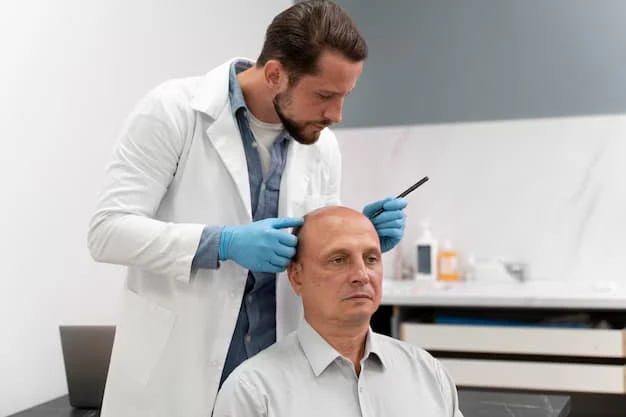
Choosing the right clinic for hair loss treatment in Birmingham is crucial for achieving optimal results. Reputable clinics prioritize patient care and take a personalized approach to treatment. Upon visiting a hair clinic in Birmingham, individuals can expect a comprehensive consultation where their hair loss condition is assessed, and an individualized treatment plan is developed.
Clinics often utilize advanced diagnostic tools to analyze hair density and scalp health, providing a clear picture of the best treatment options available. Patients are encouraged to ask questions and express any concerns during this initial consultation, ensuring they feel comfortable and informed about their chosen path.
Furthermore, clinics pride themselves on creating a supportive environment, where patients can share their experiences and expectations. The emotional impact of hair loss can be significant; therefore, compassionate care and understanding are vital aspects of the patient experience.
Conclusion
In conclusion, Birmingham offers a wide range of hair loss treatments that cater to various needs and preferences. From non-surgical options like topical treatments and PRP therapy to surgical interventions such as hair transplant surgery and scalp micropigmentation, individuals can find effective solutions to combat hair loss. Each treatment option has its unique benefits and considerations, making it essential for patients to consult with experienced professionals to determine the best approach.
If you are seeking a solution to hair loss, consider visiting Este Medical Group Birmingham. With their expertise and dedication to patient care, you can embark on your journey to restore your hair and confidence. Don’t wait any longer; take the first step towards a fuller head of hair today!
Sign in to leave a comment.