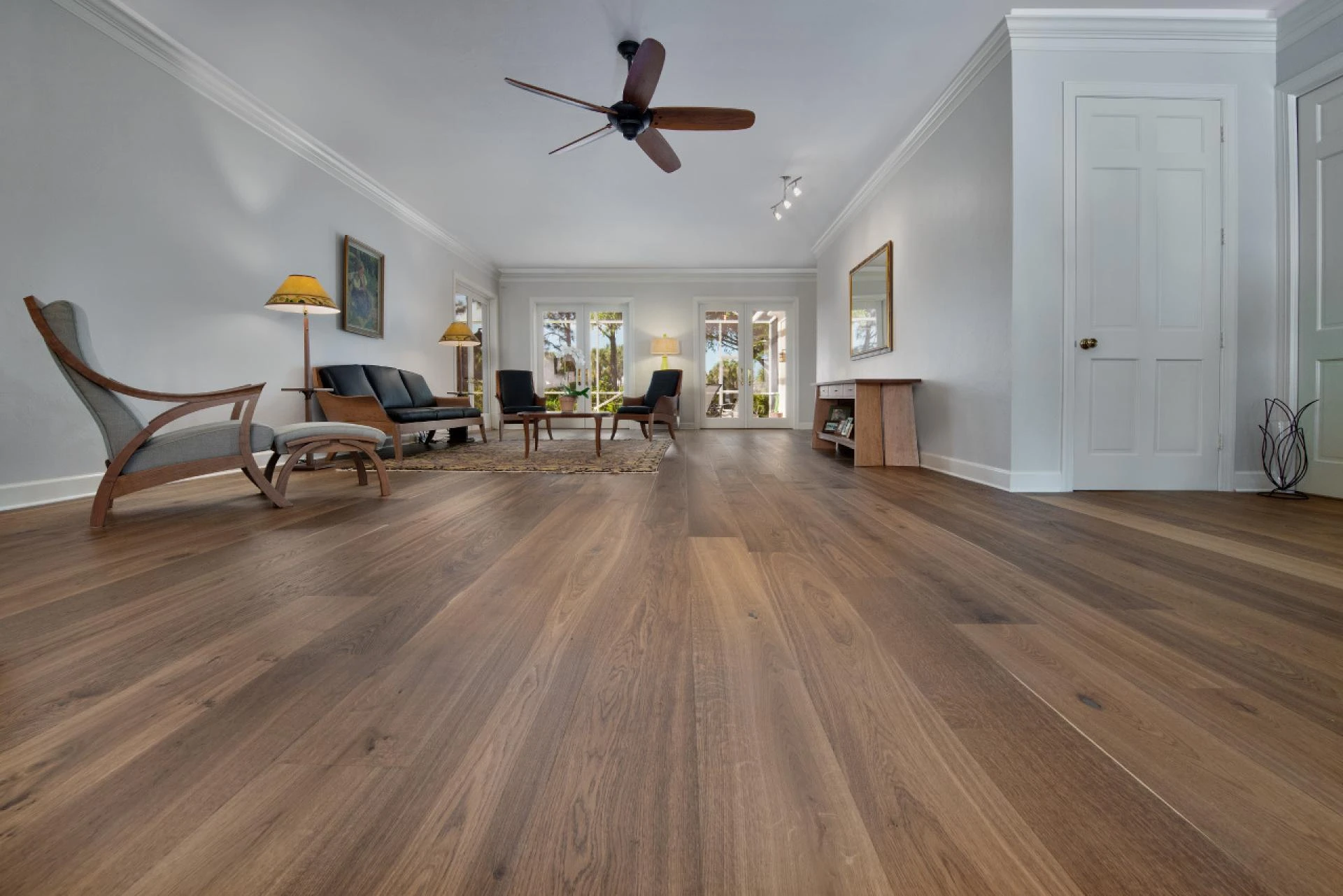

As homeowners and designers grow more eco-conscious, the demand for sustainable solutions in home improvement continues to rise. Among the most important elements in green interior design are hardwood floor finishes, which play a critical role not only in protecting the wood but also in impacting air quality, longevity, and environmental safety.
In this article, we explore how hardwood finishes are evolving to meet the growing trend toward eco-friendly flooring, and what you should consider when choosing a sustainable finish for your space.
What Are Hardwood Floor Finishes?
A hardwood floor finish is the final protective layer applied to wooden flooring to enhance its appearance and extend its lifespan. Finishes can affect everything from the gloss level to the texture, color tone, and most importantly, the floor's resistance to wear and tear.
Traditionally, finishes were solvent-based and contained high levels of volatile organic compounds (VOCs). Today, as consumers become more aware of their impact on health and the environment, the industry is shifting toward safer, more natural alternatives.
Why Eco-Friendly Finishes Matter
Standard finishes often release harmful VOCs into the air, which can lead to respiratory issues and contribute to indoor air pollution. Eco-friendly hardwood floor finishes, on the other hand, use water-based or plant-based ingredients that emit little to no toxins. These options are not only safer for the environment but also better for the health of your family and pets.
Low-VOC and VOC-free finishes help maintain good indoor air quality—an important feature in green-certified homes and buildings.
Popular Eco-Friendly Finish Options
1. Water-Based Polyurethane:
This has become a leading choice for environmentally conscious homeowners. It dries quickly, has low odor, and releases fewer VOCs compared to oil-based options. It also offers a clear, non-yellowing finish that preserves the wood’s natural color.
2. Hardwax Oil:
Made from natural oils and waxes, hardwax oil penetrates the wood surface while offering a matte, breathable finish. It’s ideal for those who prefer a natural look and are focused on renewable and biodegradable materials.
3.Natural Oil Finishes:
These are typically derived from plant oils like linseed or tung oil. They offer deep wood penetration and are completely free of synthetic chemicals, making them a favorite in sustainable home building.
Sustainability Beyond the Finish
Choosing eco-friendly hardwood floor finishes is just one part of a bigger picture. Responsible flooring also means selecting wood from sustainably managed forests, preferably certified by organizations like FSC (Forest Stewardship Council). Combining sustainable wood sources with low-impact finishes results in a fully environmentally friendly flooring solution.
The Role of Manufacturers and Trends
Flooring brands like European Flooring are responding to the demand by offering products that meet green standards. As a result, more collections now feature water-based finishes, recyclable materials, and manufacturing practices that reduce waste and carbon emissions.
This shift is also seen in global building trends, where eco-conscious flooring is becoming a standard rather than a luxury. From modern condos to high-end custom homes, sustainability is influencing design decisions more than ever before.
Conclusion
The future of flooring is not just about beauty and durability—it’s about responsibility. With modern hardwood floor finishes moving toward low-VOC, natural, and sustainable solutions, homeowners can enjoy elegant interiors while reducing their environmental impact.
If you're planning a flooring upgrade, consider finishes that are both stylish and eco-conscious. It’s a small change that makes a big difference—for your home and the planet.










Sign in to leave a comment.