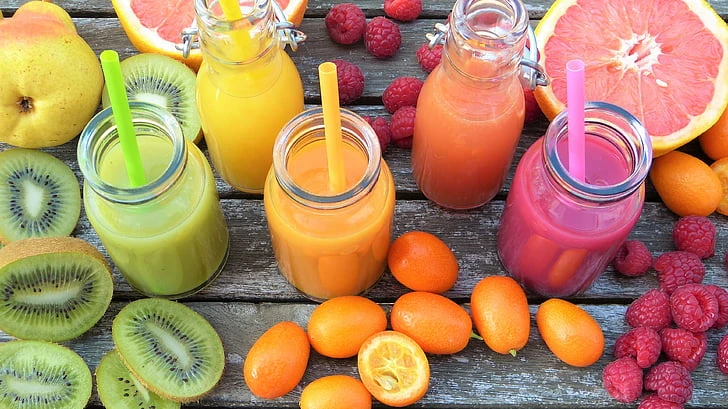

In today’s fast-paced world, many people are searching for simple, natural ways to support their well-being. One option that continues to grow in popularity is healthy juices, which offer a refreshing and convenient way to enjoy the goodness of fruits and vegetables. When prepared and consumed thoughtfully, fresh juices can complement a balanced lifestyle and help people feel more energized, hydrated, and satisfied throughout the day.
This article takes an informative, realistic look at juices made with health in mind—what they are, why people enjoy them, and how to include them wisely without falling into common traps or trends.
What Makes a Juice “Healthy”?
Not every juice automatically supports good health. The difference lies in the ingredients, preparation, and portion size. A juice becomes beneficial when it is made primarily from whole fruits and vegetables, with minimal added sugar and no unnecessary additives.
Fresh produce contains vitamins, minerals, antioxidants, and natural plant compounds that support normal body functions. Juicing extracts much of this goodness into an easy-to-drink form. However, balance matters. Whole fruits and vegetables contain fiber, which helps digestion and keeps blood sugar levels steady. Juices work best as part of an overall healthy eating pattern rather than a replacement for all solid foods.
Key Benefits of Drinking Fresh Juices
When enjoyed responsibly, healthy juices can offer several advantages that fit well into modern lifestyles.
1. Easy Nutrient Intake
For people who struggle to eat enough fruits and vegetables daily, juice can make it easier to consume a variety of produce in one glass. Leafy greens, citrus fruits, and root vegetables can all be combined into flavorful blends.
2. Hydration Support
Many fruits and vegetables have high water content. Juices can help support daily fluid intake, especially for those who find plain water boring or difficult to drink consistently.
3. Digestive Comfort
Because juices are already broken down, they can be gentler on the digestive system for some individuals. This can be helpful during busy days or times when heavy meals feel uncomfortable.
4. Natural Energy Boost
The natural sugars found in fruits provide quick energy without the crash associated with heavily processed snacks. When paired with vegetables, this energy release can feel more balanced and steady.
Popular Ingredients and Their Benefits
A well-made juice is more than just fruit. Combining fruits and vegetables creates better nutritional balance and prevents excessive sugar intake.
Leafy Greens
Spinach, kale, and parsley are common juice ingredients. They provide vitamins such as A and K, along with minerals that support normal body functions. Greens also help balance the sweetness of fruit.
Citrus Fruits
Oranges, lemons, and grapefruits add brightness and vitamin C. They enhance flavor naturally, reducing the need for added sweeteners.
Root Vegetables
Carrots and beets contribute natural sweetness, color, and important nutrients. They also pair well with ginger or apple for a smoother taste.
Herbs and Spices
Ginger, mint, and turmeric add flavor complexity and are often used for their traditional wellness associations. Small amounts go a long way in enhancing both taste and aroma.
Fresh Juice vs. Whole Fruits and Vegetables
It is important to understand that juice is not a replacement for whole produce. Whole fruits and vegetables contain fiber, which slows digestion and supports gut health. Juices remove most of this fiber, making nutrients easier to absorb but also easier to overconsume.
The smartest approach is to enjoy juice as a supplement, not a substitute. Pairing a glass of juice with a meal that includes whole foods can help maintain balance while still enjoying the convenience and taste of fresh blends.
Making Juice at Home: Practical Tips
Preparing juice at home gives you full control over ingredients and quality. It also allows you to experiment with flavors and textures that suit your preferences.
When making healthy juices at home, keep these tips in mind:
- Use a higher ratio of vegetables to fruits to keep sugar levels moderate.
- Wash produce thoroughly before juicing.
- Drink fresh juice soon after preparation to enjoy optimal flavor and freshness.
- Start with simple combinations and adjust gradually as your taste buds adapt.
Home preparation does not need to be complicated. Even basic equipment can produce satisfying results when paired with fresh, seasonal produce.
Common Myths About Juicing
Juicing is often surrounded by exaggerated claims. Understanding the facts helps set realistic expectations.
Myth 1: Juice Cleanses the Body Completely
The human body already has organs designed to remove waste efficiently. Juices can support hydration and nutrient intake, but they are not miracle detox solutions.
Myth 2: More Juice Is Always Better
Drinking large quantities of juice can lead to excessive calorie and sugar intake. Moderation is key to enjoying benefits without unwanted side effects.
Myth 3: All Store-Bought Juices Are Unhealthy
Not all packaged juices are the same. Some are made with minimal processing and simple ingredients. Reading labels carefully makes a big difference.
Choosing Store-Bought Juices Wisely
For those with busy schedules, packaged juices can be convenient. The key is knowing what to look for.
When selecting healthy juices from the store, consider the following:
- Choose products with short, recognizable ingredient lists.
- Avoid options with added sugars or artificial sweeteners.
- Look for vegetable-forward blends rather than fruit-only options.
- Check portion sizes to avoid overconsumption.
Being an informed consumer helps you enjoy convenience without sacrificing quality.
Juices for Different Lifestyles
Juices can fit into many lifestyles when tailored thoughtfully.
For Active Individuals
Juices made with fruits, vegetables, and a small amount of natural carbohydrate can support post-exercise recovery when paired with protein from whole foods.
For Busy Professionals
A simple juice can act as a quick snack when meals are delayed, helping prevent energy crashes during long workdays.
For Families
Introducing children to mild vegetable-fruit blends can help them become familiar with a wider range of produce flavors in an enjoyable way.
Sustainability and Mindful Consumption
Juicing can also be approached with environmental awareness. Using seasonal, locally sourced produce reduces waste and supports sustainability. Leftover pulp can be reused in cooking or composted instead of thrown away.
Mindful consumption means enjoying juice as part of a varied diet, respecting both personal health and environmental impact.
Final Thoughts
When used wisely, healthy juices can be a refreshing and enjoyable addition to everyday routines. They offer a practical way to increase fruit and vegetable intake, support hydration, and add variety to meals. The key lies in balance, ingredient quality, and realistic expectations.
Rather than chasing trends or extreme routines, focusing on simple, well-prepared juices allows people to enjoy the natural flavors of produce while supporting overall well-being. With thoughtful choices and moderation, juice can be both satisfying and supportive of a healthy lifestyle.














Sign in to leave a comment.