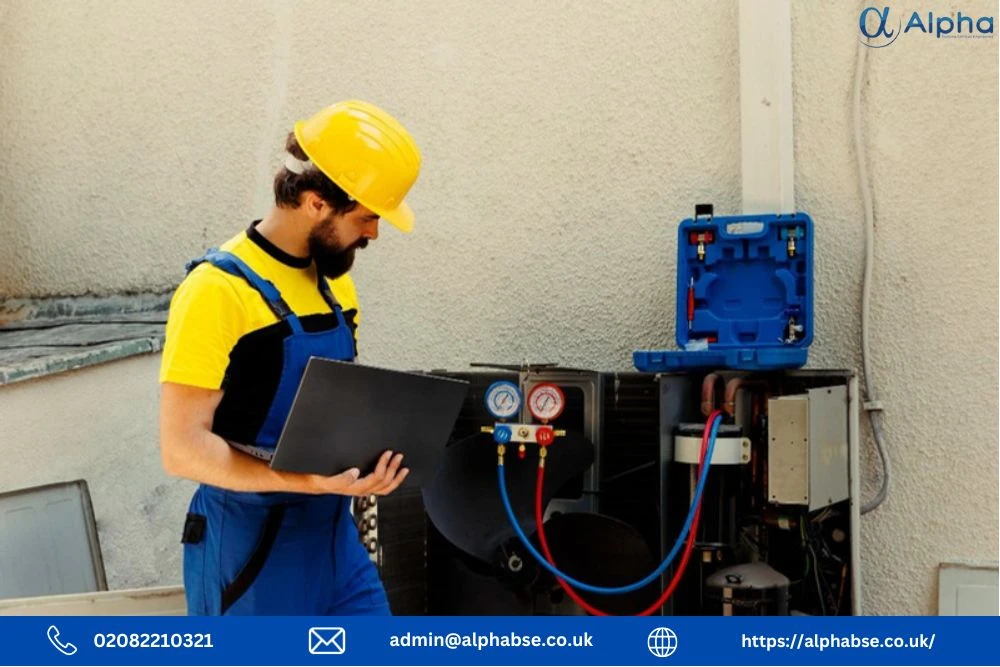

As the demand for renewable energy solutions continues to grow, the need for qualified professionals in the field of heat pump installation and maintenance is on the rise. Heat pumps are an energy-efficient way to heat and cool homes and businesses, making them a critical component of the future of heating and cooling. Whether you are an aspiring heating engineer or a professional looking to expand your skills, heat pump training offers an excellent opportunity to enter this growing field. In this blog post, we will explore heat pump training courses, the importance of certification, and how you can gain essential skills in this field.
What is Heat Pump Technology?
Heat pumps are devices that move heat from one place to another. These systems work by transferring heat from the outside environment (air, water, or ground) into a building to provide heating or cooling. The most common types of heat pumps are air source heat pumps and ground source heat pumps.
An air source heat pump extracts heat from the air outside, while a ground source heat pump taps into the earth’s natural heat. Both systems are designed to work efficiently in low-temperature environments, making them ideal for various climates. Heat pumps can be used for heating, hot water, and even cooling, offering a versatile solution for homes and businesses.
Why Choose Heat Pump Training?
With the rise of renewable energy systems and sustainability efforts, heat pump training is becoming a valuable skill in the energy efficiency industry. This training is essential for anyone looking to become a professional heat pump installer, heating engineer, or technician.
1. Growing Demand for Heat Pumps
The demand for heat pump systems has skyrocketed due to their environmental benefits. They are energy-efficient, reduce carbon footprints, and are ideal for heating and cooling in both residential and commercial settings. As more homes and businesses adopt these systems, the need for trained professionals continues to grow.
2. Certification and Career Advancement
Completing a recognized heat pump training course can open doors to career opportunities in the growing renewable energy sector. Certifications like MCS certification and Gas Safe registration are essential for working with heat pumps, ensuring the safety and reliability of installations. These qualifications are highly regarded by employers and clients alike.
3. Diverse Skill Set
Heat pump systems require a unique set of skills, including installation, maintenance, troubleshooting, and repair. Heat pump courses equip you with these necessary skills, preparing you for real-world scenarios. By gaining knowledge in system design, heat loss, and installation techniques, you will become proficient in working with both air source and ground source heat pumps.
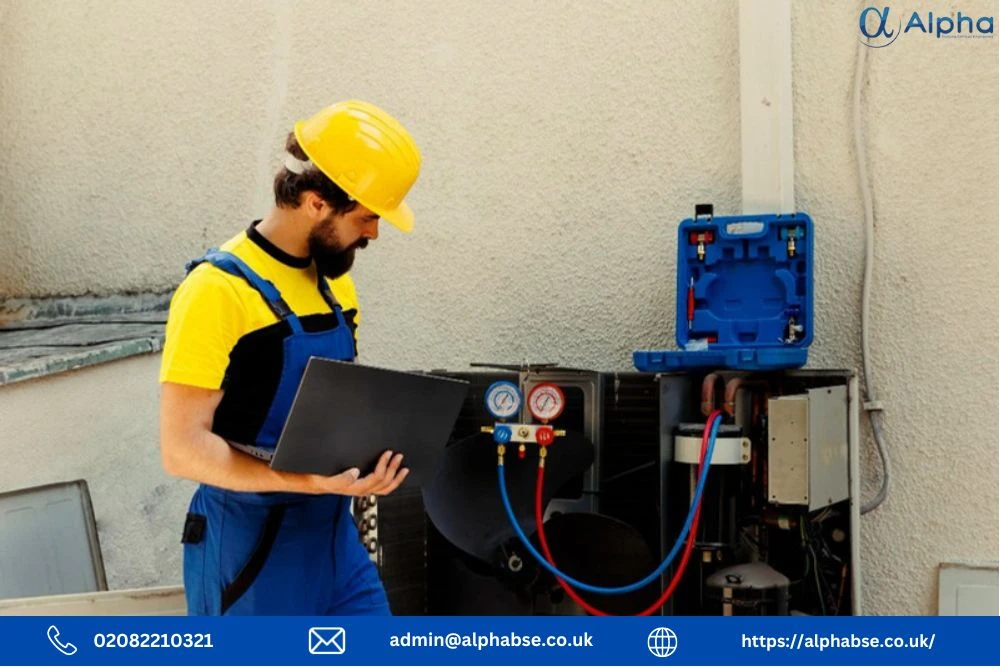
Types of Heat Pump Training Courses
Heat pump training is available in various formats, including online courses, in-person classes, and even free options. Let’s explore some of the most popular types of training courses for aspiring heat pump installers.
1. Free Heat Pump Training Courses
Some organizations offer free heat pump training courses to individuals who want to get started in this field without a financial commitment. While these free courses may not offer certifications, they provide foundational knowledge on heat pump systems, energy efficiency, and basic installation principles. These can be an excellent starting point for beginners who want to explore the industry before committing to a paid certification program.
2. Heat Pump Training Online
For those with busy schedules or those living in remote areas, online heat pump training provides the flexibility to learn at your own pace. These courses cover topics like system design, installation procedures, and troubleshooting. Some online programs even include practical modules, allowing you to gain hands-on experience virtually.
3. Specialized Training for Electricians
Electricians who want to expand their expertise into the world of heat pumps can benefit from heat pump training for electricians. These courses focus on the electrical aspects of heat pump systems, including wiring, connections, and troubleshooting. This type of training is particularly useful for electricians looking to enter the growing field of renewable energy.
4. Manufacturer-Specific Courses
Many manufacturers offer specialized training for their specific heat pump systems. Mitsubishi heat pump training, Bosch heat pump training, and other brand-specific courses provide in-depth knowledge about the installation, maintenance, and servicing of their products. These courses are an excellent choice for professionals who wish to become certified in a particular brand’s systems.
5. Air Source Heat Pump Training
Air source heat pump training courses focus on the installation, maintenance, and troubleshooting of heat pumps that use the outside air as their source of heat. These systems are commonly used in residential and commercial settings. Students will learn how to install and maintain these systems efficiently, ensuring that they provide reliable heating and cooling throughout the year.
6. Ground Source Heat Pump Training
For those interested in more complex systems, ground source heat pump training covers the installation and maintenance of heat pumps that extract heat from the ground. These systems require a deeper understanding of system design, as they involve underground pipework and ground heat exchangers. Ground source heat pumps are highly efficient and can be used in both residential and commercial applications.
Benefits of Heat Pump Training
Heat pump training is a valuable investment for anyone looking to work in the renewable energy sector. Here are some of the key benefits of completing a heat pump training course:
1. Enhanced Job Opportunities
As more people and businesses transition to renewable energy, the demand for trained professionals is expected to rise. By completing a heat pump training course, you will be equipped with the skills and certifications necessary to take on a wide range of roles, from heat pump installers to technicians and engineers.
2. Higher Earning Potential
With the right certifications and experience, heat pump professionals can earn competitive salaries. Specialized skills like system design, installation, and maintenance are in high demand, and employers are willing to pay a premium for qualified professionals.
3. Contribution to Sustainability
By becoming a heat pump professional, you will be playing a crucial role in reducing carbon emissions and promoting energy efficiency. Heat pumps are a clean and renewable energy source, and working in this field allows you to contribute to a more sustainable future.
4. Hands-On Experience
Many heat pump training courses offer practical training, allowing you to gain hands-on experience with heat pump systems. This is crucial for learning how to install, troubleshoot, and repair systems in real-world environments. The more experience you gain, the more proficient you will become in your work.
How to Choose the Right Heat Pump Training Course
When selecting a heat pump training course, it’s important to consider several factors:
- Certification and Accreditation: Make sure the course is accredited by a recognized body, such as MCS or Gas Safe. This ensures that the training meets industry standards and will be recognized by employers.
- Course Content: Choose a course that covers the topics relevant to your career goals. For example, if you want to specialize in air source heat pumps, look for a course that focuses on that technology.
- Mode of Delivery: Consider your schedule and learning preferences. Online courses offer flexibility, while in-person classes may provide more hands-on experience.
- Cost and Financial Support: Some courses are free, while others may require a fee. If you need financial support, look for programs that offer grants or financing options, such as the heat training grant.
Conclusion
As the demand for renewable energy solutions continues to grow, heat pump training offers an excellent opportunity to build a career in a rapidly expanding industry. Whether you’re a beginner looking for free courses, an electrician seeking to expand your skills, or a professional looking to specialize in certain heat pump systems, there’s a training option that’s right for you. By completing a heat pump training course, you’ll gain valuable knowledge, enhance your career prospects, and contribute to a sustainable future.
Explore the different training options available, choose the one that best fits your needs, and take the next step toward becoming a qualified heat pump installer or technician today.
FAQs
1. What is heat pump training?
Heat pump training provides the knowledge and skills needed to install, maintain, and repair heat pump systems, including air source and ground source heat pumps.
2. Are there free heat pump training courses available?
Yes, there are free heat pump training courses that offer foundational knowledge, although certification may not be included in these programs.
3. What is the difference between air source and ground source heat pump training?
Air source heat pump training focuses on systems that extract heat from the air, while ground source heat pump training covers systems that use the ground's natural heat.
4. Do I need a specific certification to work with heat pumps?
Yes, certifications like MCS and Gas Safe registration are required to ensure safety and professionalism in heat pump installations and maintenance.
5. Can electricians take heat pump training courses?
Yes, electricians can take specialized heat pump training courses that focus on the electrical aspects of heat pump systems, including wiring and connections.












Sign in to leave a comment.