
Introduction
Hepatitis C is a viral infection that primarily affects the liver. It is caused by the hepatitis C virus (HCV) and can lead to both acute and chronic forms of the disease. In this article, we will discuss the causes, symptoms, and transmission of hepatitis C.
Causes
Hepatitis C is primarily transmitted through blood-to-blood contact with an infected person. The most common causes of HCV transmission include:
Injecting drug use: Sharing needles or other equipment used for injecting drugs can transmit the virus. Blood transfusions: Before 1992, blood transfusions in some countries were not screened for HCV, leading to the transmission through contaminated blood products. Nowadays, blood screening has significantly reduced this risk. Organ transplants: Although rare, HCV can be transmitted through organ transplantation from an infected donor. Healthcare settings: Poor infection control practices in healthcare settings can lead to accidental needlestick injuries or exposure to contaminated medical equipment.Symptoms
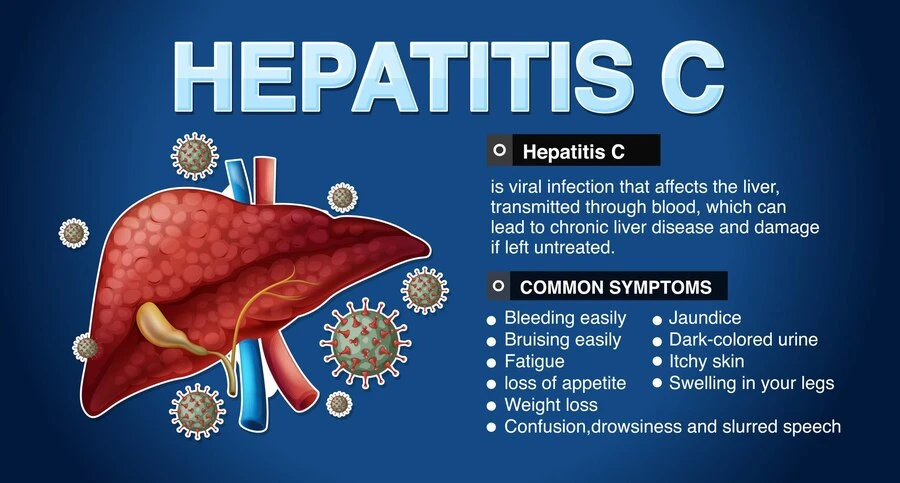
Acute hepatitis C often presents with mild symptoms or no symptoms at all. This makes it difficult to diagnose during the early stages. However, some individuals may experience the following symptoms:
Fatigue Fever Nausea and vomiting Loss of appetite Abdominal pain Dark urine Jaundice (yellowing of the skin and eyes)Chronic hepatitis C usually remains asymptomatic until it progresses to advanced liver disease over several decades. This highlights the importance of regular testing and early detection.
Transmission
Apart from blood-to-blood contact, there are other possible modes of transmission for hepatitis C:
Mother-to-child transmission: There is a low risk of vertical transmission during childbirth if the mother has HCV. Sexual transmission: Although uncommon, sexual contact with an infected individual can transmit HCV, particularly in the presence of other sexually transmitted infections or practices that may cause bleeding. Sharing personal items: Sharing personal items such as razors or toothbrushes that may contain trace amounts of blood can potentially transmit the virus.It is important to note that hepatitis C cannot be transmitted through casual contact such as hugging, kissing, or sharing food and drinks.
Prevention
Preventing hepatitis C transmission is crucial. Check the preventive measures discussed below:
Avoid sharing needles or other drug paraphernalia. Practise safe sex by using barrier methods such as condoms. Ensure proper sterilisation and infection control procedures in healthcare settings. Be cautious when getting tattoos or body piercings; ensure sterile equipment is used. Follow good hygiene practices and avoid sharing personal care items that may come into contact with blood.Testing for Hepatitis C
Getting tested for hepatitis C is essential for early detection and treatment. The HCV total antibody test helps determine whether you have been exposed to the virus, while further tests can confirm chronic infection.
The cost of an HCV test may vary depending on the location and laboratory. You can inquire about the HCV test price or hepatitis c test price at a diagnostic lab near you.
Additionally, your doctor may recommend a liver function test (LFT) to assess liver health and monitor the progression of the disease. The LFT blood test price can vary, so it's best to check with the laboratory for accurate pricing information.
Conclusion
Hepatitis C is a viral infection that primarily affects the liver. It is transmitted through blood-to-blood contact and can lead to both acute and chronic forms of the disease. While acute hepatitis C may not present with noticeable symptoms, chronic infection can cause significant liver damage over time. Testing for hepatitis C is crucial for early detection and appropriate management, you can easily get to know the anti HCV test price from a nearby path lab. By following preventive measures and getting tested, you can protect yourself and others from this potentially serious disease.














Sign in to leave a comment.