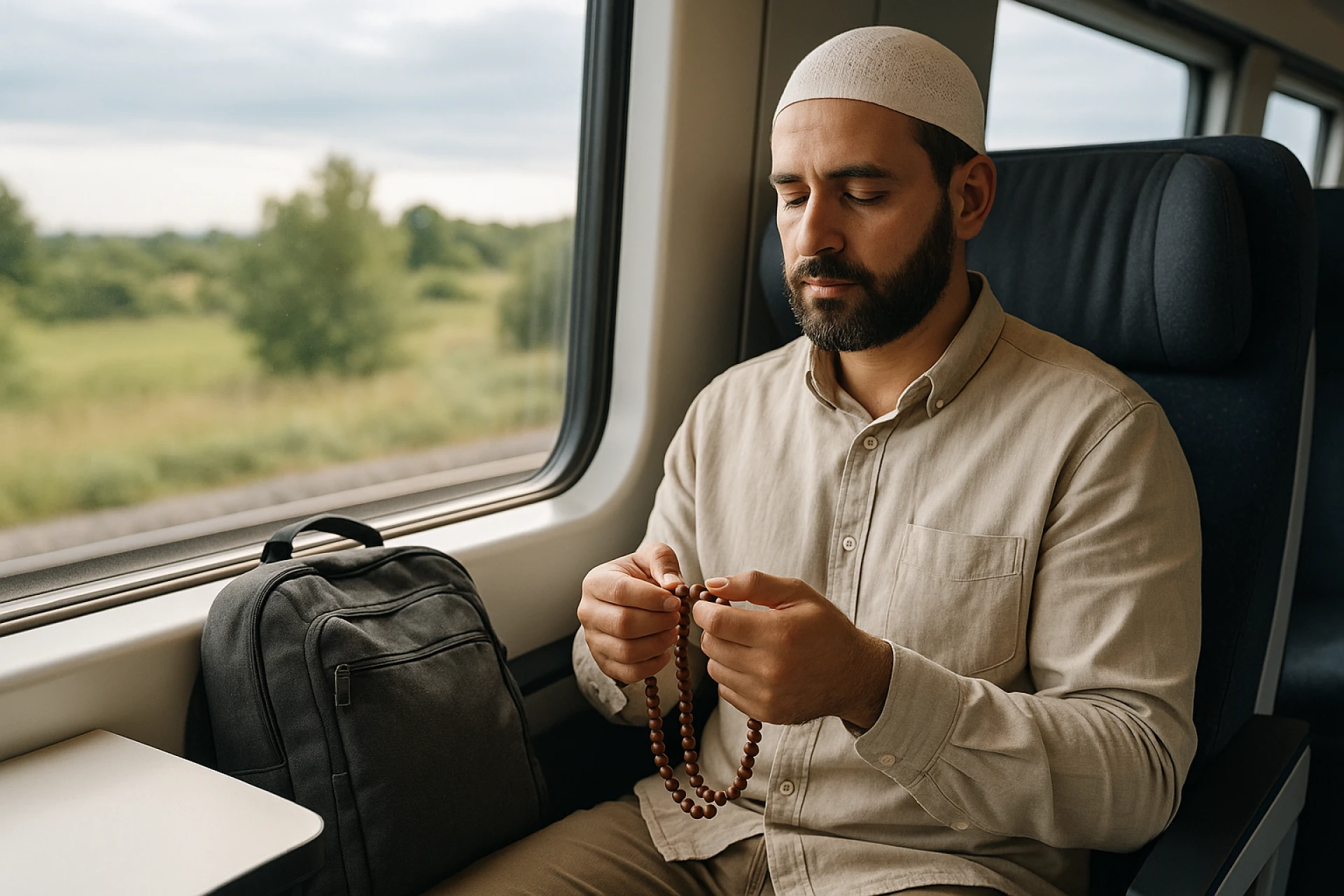

Whenever we hear the word "Hijrah", it reminds us of the profound migration of our beloved Prophet Muhammad (PBUH) from Makkah to Madinah. Hijrah was a pivotal moment that marked the creation of the Islamic calendar and the spread of Islam.
Many of us believe that Hijrah is only about physical relocation, but it is actually a deeply personal and spiritual concept. In this modern world, where travel is only seen as a means for leisure, work or education, many ask if the journeys can serve as a path to draw closer to Allah (SWT)?
The answer is Yes! Every journey, when begun with the right intentions, awareness and for the sake of Allah (SWT), can become a form of spiritual migration; a Hijrah in the heart.
1. Understanding Hijrah in Its Deeper Meaning
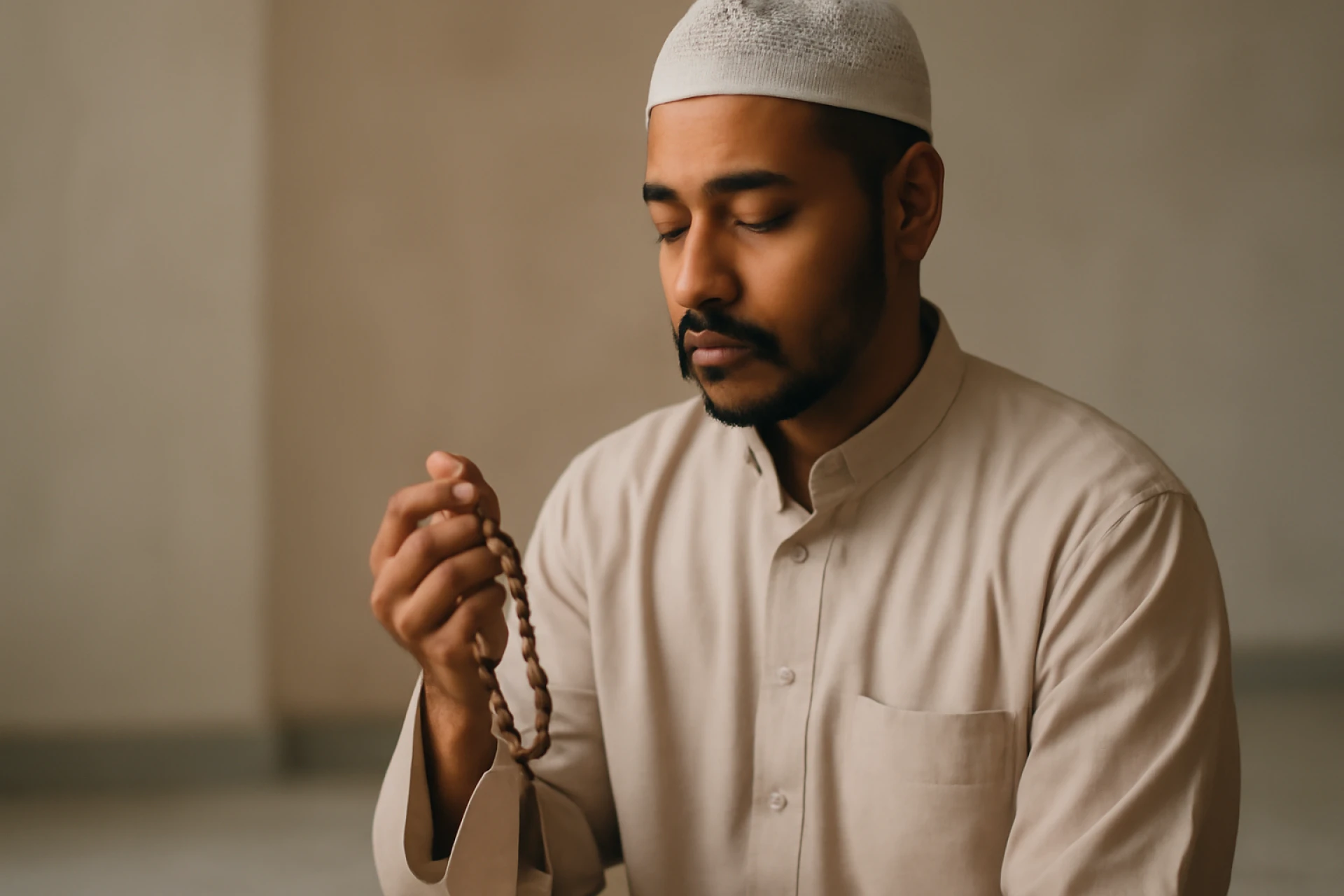
Hijrah (emigration) means moving from a land of shirk to a place of Islam. The classical Hijrah was a response to persecution and a quest for the freedom to follow Islam. It was a journey of the Prophet Muhammad (PBUH) from Makkah to Madinah, but its significance marked the beginning of an era and a history for all mankind.
Today, while physical persecution may not always be the reason for our travels, the internal struggle remains real; fighting temptations, navigating secular environments, and maintaining spiritual identity.
The Prophet Muhammad (peace be upon him) said:
"The (real) Muhajir is the one who gives up (abandons) all what Allah has forbidden."
(Sahih al-Bukhari 10)
This powerful hadith widens the profound meaning of Hijrah. It is not limited to crossing borders, it is about crossing boundaries within ourselves. Moving our heart and mind from heedlessness to remembrance, from indulgence to discipline.
2. Travel as an Opportunity for Internal Hijrah
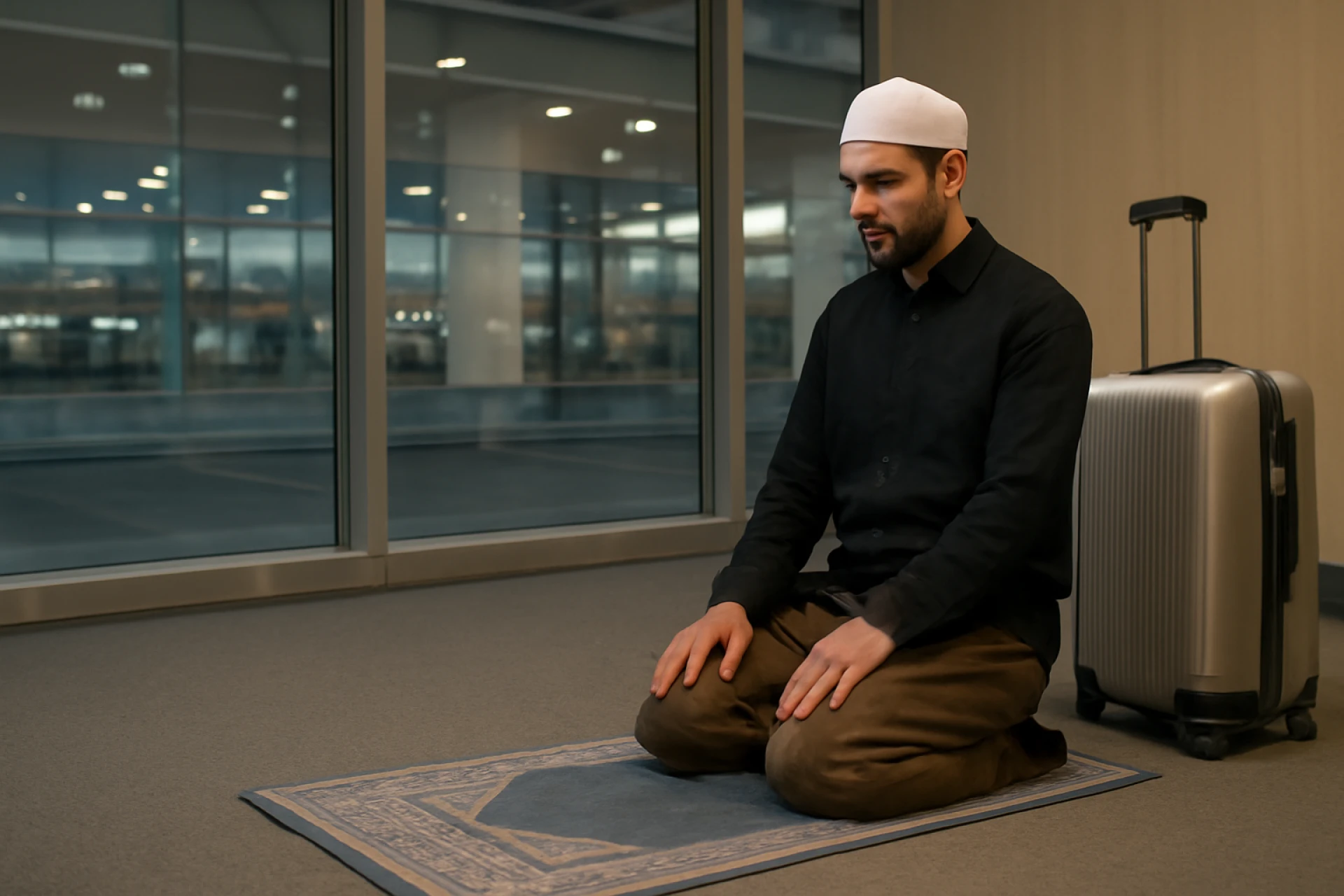
Travel for Muslims is more than just moving from one place to another; it's an opportunity for spiritual upliftment and to come closer to Allah (SWT). Whether you are travelling for studies, business or relocating to a new country, the change in environment creates a unique chance to reset your intentions.
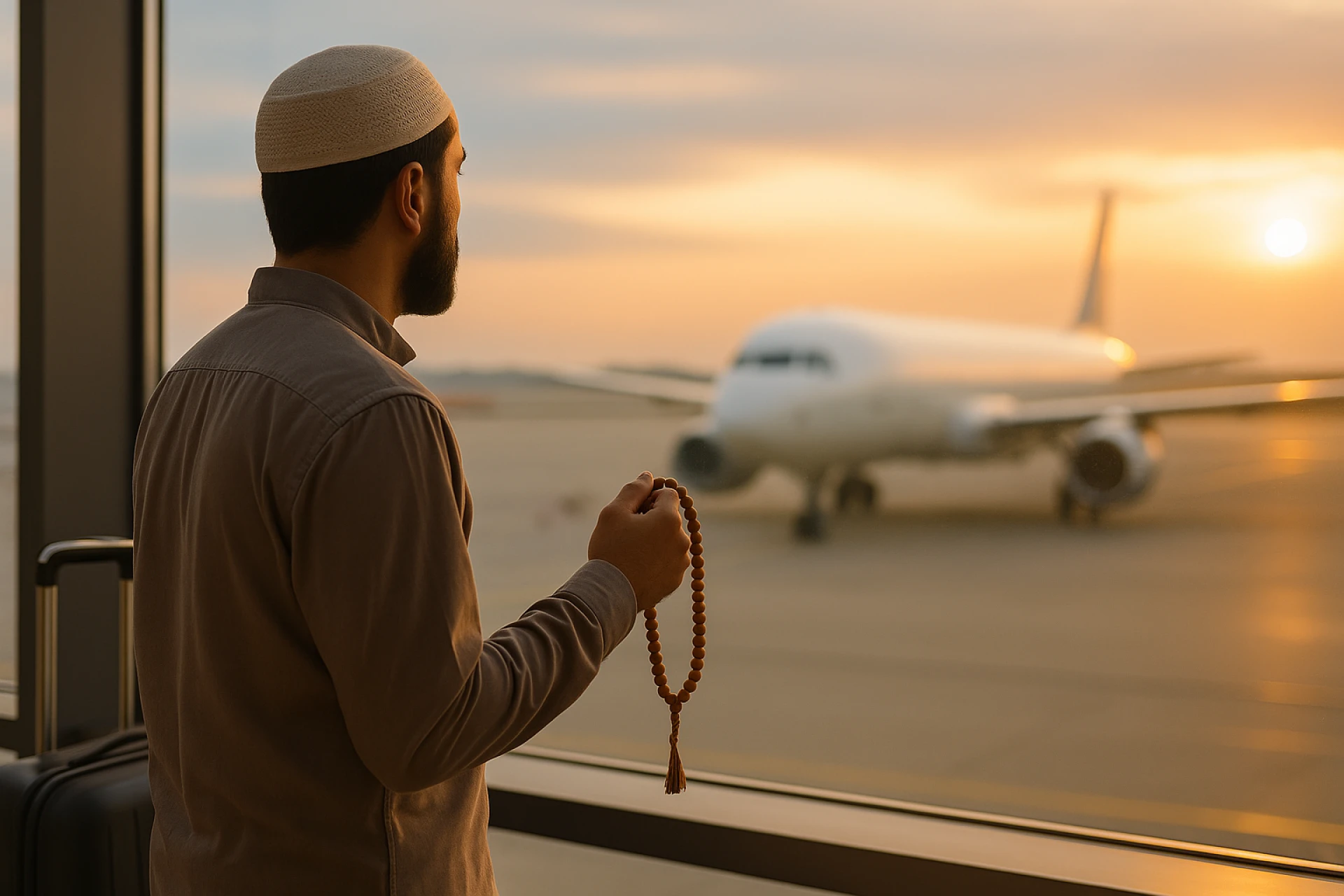
While on the move, you are away from your daily routines and comfort, and are aware of your habits, making travel a fertile ground for spiritual upliftment. During travel, simple acts like praying at the airport, remembering Allah (SWT) during transit or finding halal food can all serve as forms of spiritual consciousness.
3. The Power of Intention: Niyyah Transforms Journeys
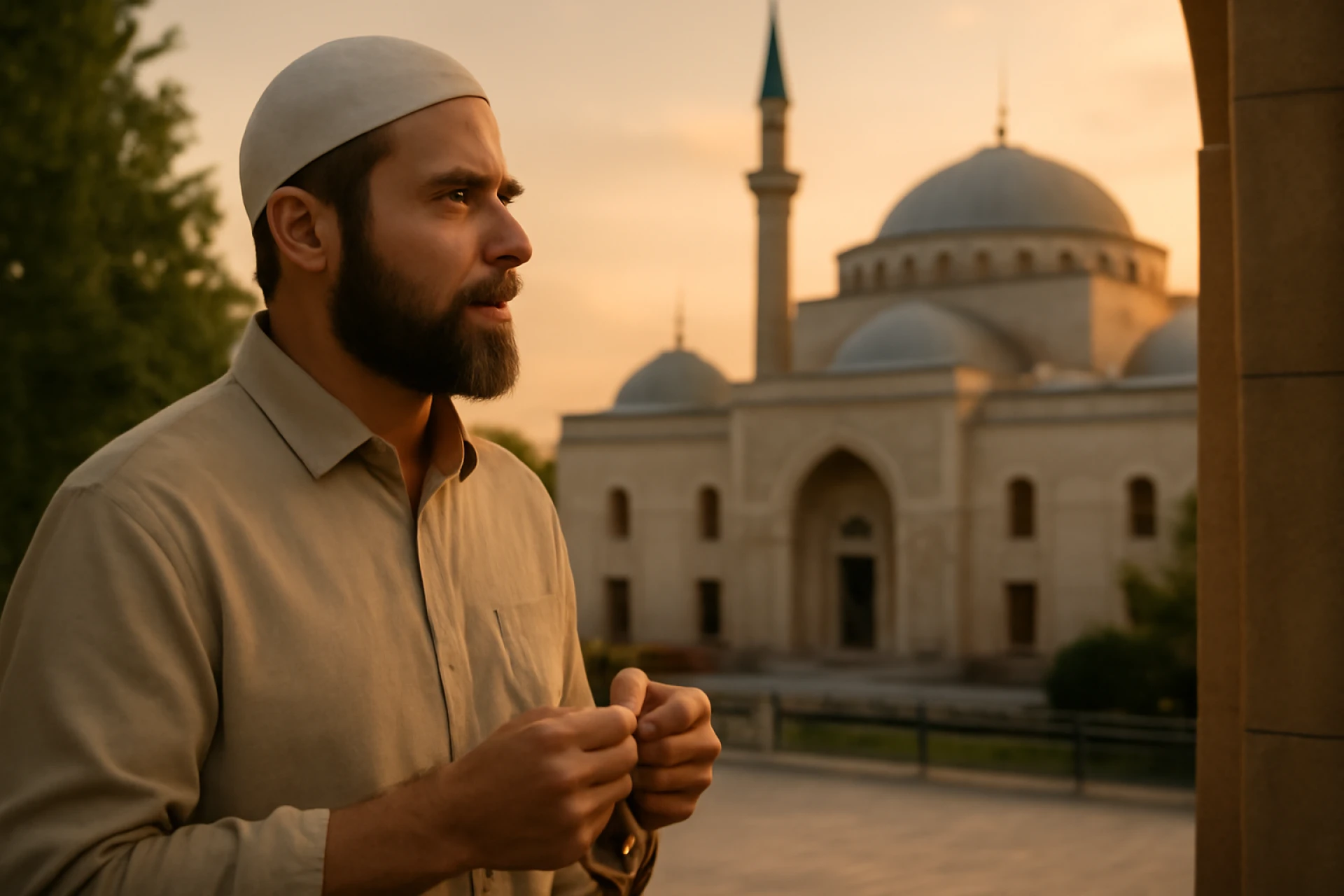
Intention (Niyyah) has the power to transform even your holiday and leisure trip into an act of ibadah.
The Prophet Muhammad (peace be upon him) said:
"Actions are judged by intentions, and every man shall have what he intended."
(Bukhari & Muslim)
Your intention can help you earn immense spiritual rewards and transform your travel into a sacred opportunity for spiritual awakening and dawah.
Before you start your travel journey, ask yourself:
- Is the trip for the sake of Allah (SWT) or pleasing to Him?
- Can the trip allow me to perform my religious obligations?
- What can I leave behind from the Dunya and move toward in the Akhirah?
4. Building a Portable Faith: Islam on the Go
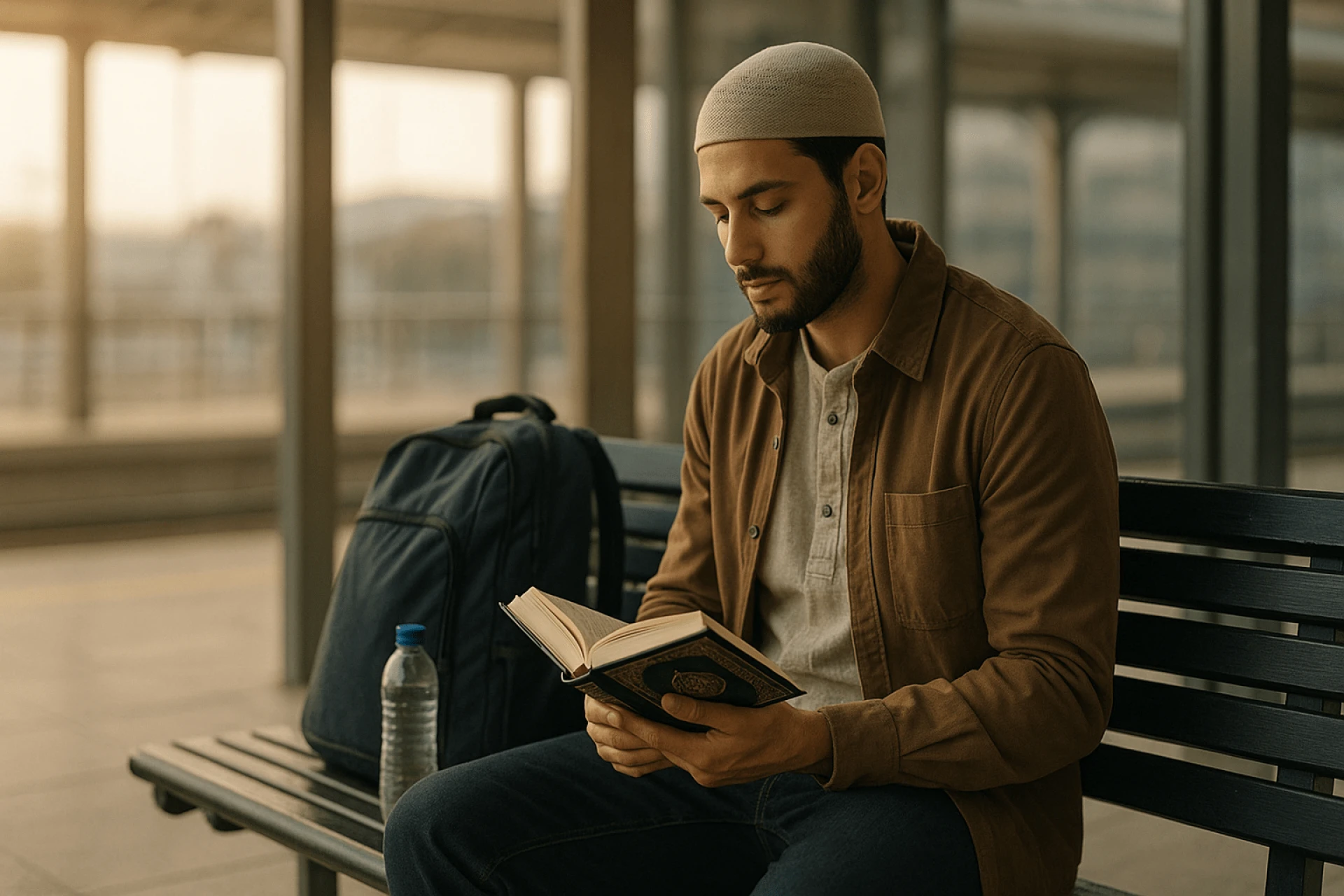
A true Hijrah of the heart means your Islamic duties don’t stay behind with your luggage; they travel with you, wherever you go. Your travel routines shouldn’t challenge your faith; they should be an extension of it.
You should perform your salah on time, using prayer time apps or mosque finders. Always stick to halal choices even if it takes more effort. Dress modestly, even if the environment doesn't require it. Recite the Qur'an daily and keep your tongue moist with remembrance of Allah (SWT).
Such consistency becomes your spiritual anchor, especially when you're travelling.
5. Hijrah as a Daily Choice, Not a One-Time Event
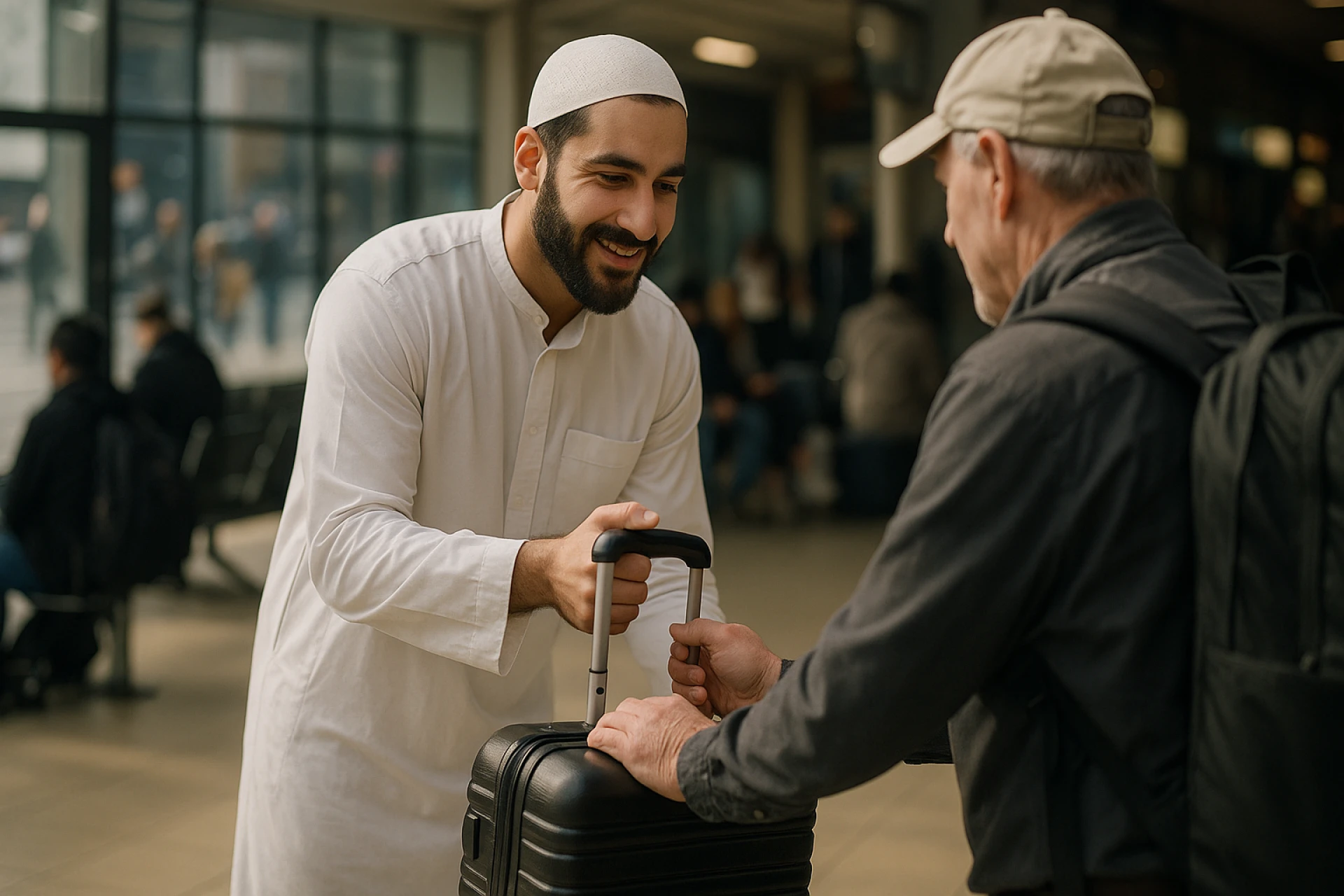
Hijrah is not just limited to the movement; it's a daily choice as every day brings opportunities to migrate from distraction to remembrance, sin to repentance, and stagnation to growth.
Just like the early Muslims chose the struggle in Madinah instead of the comfort in Makkah, they migrated to the land where people welcomed and accepted Islam. Similarly, modern Muslims must choose between complacency and conviction.
The beauty of Islam is that it sees these micro-migrations as deeply meaningful. A small change in your routine can be immensely rewarding.
6. Travel as a Mirror: Facing the Self
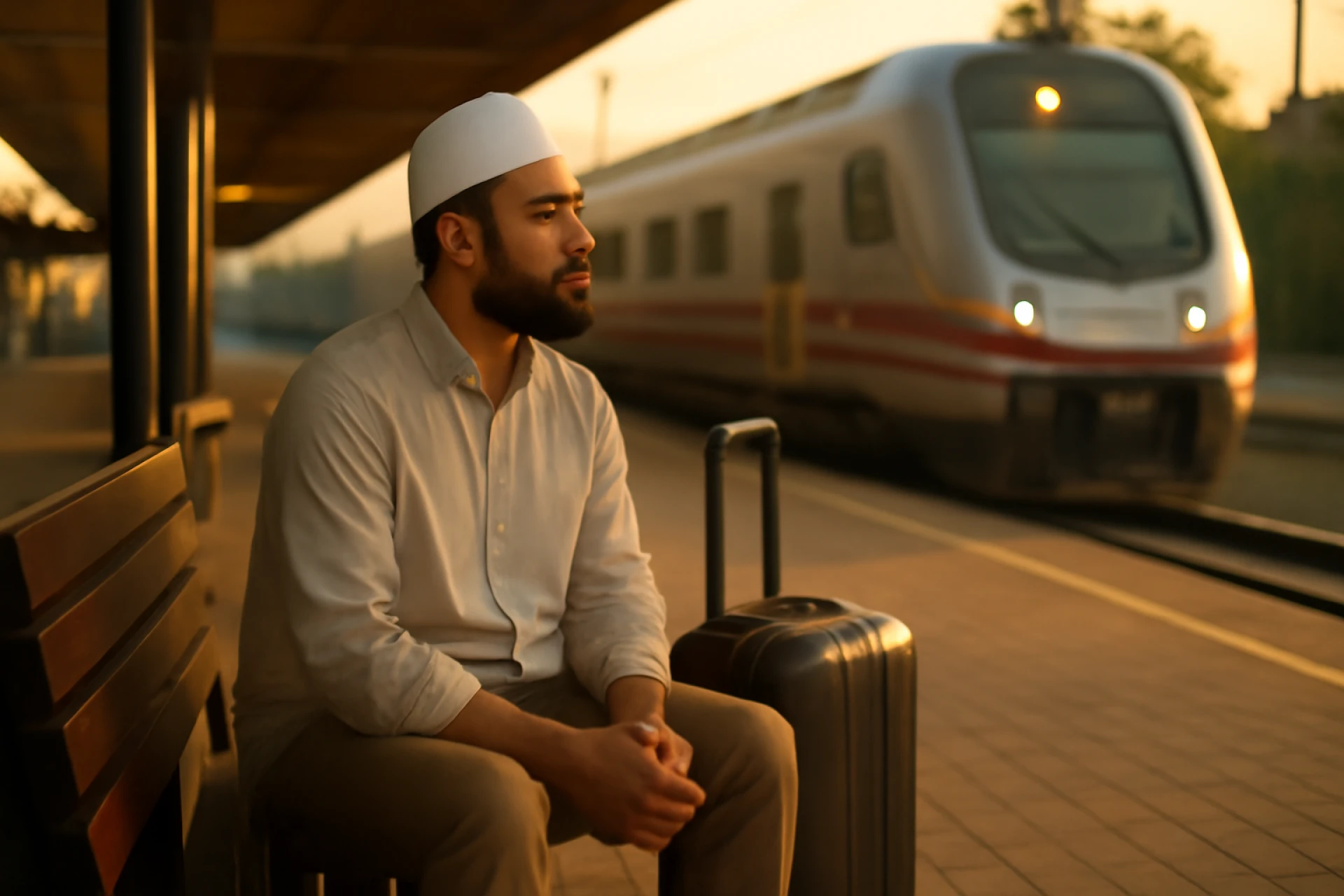
Travel often strips away the label and identity you carry. In new or unfamiliar places, travel allows us to encounter our authentic selves. You have enough time to notice your arrogance, impatience and also your dependence on Allah (SWT).
Take these moments as opportunities for spiritual enrichment. All the delays, discomfort, and hardships can either provoke us or purify us. Face these moments with patience and tawakkul.
7. Returning Home with a Changed Heart
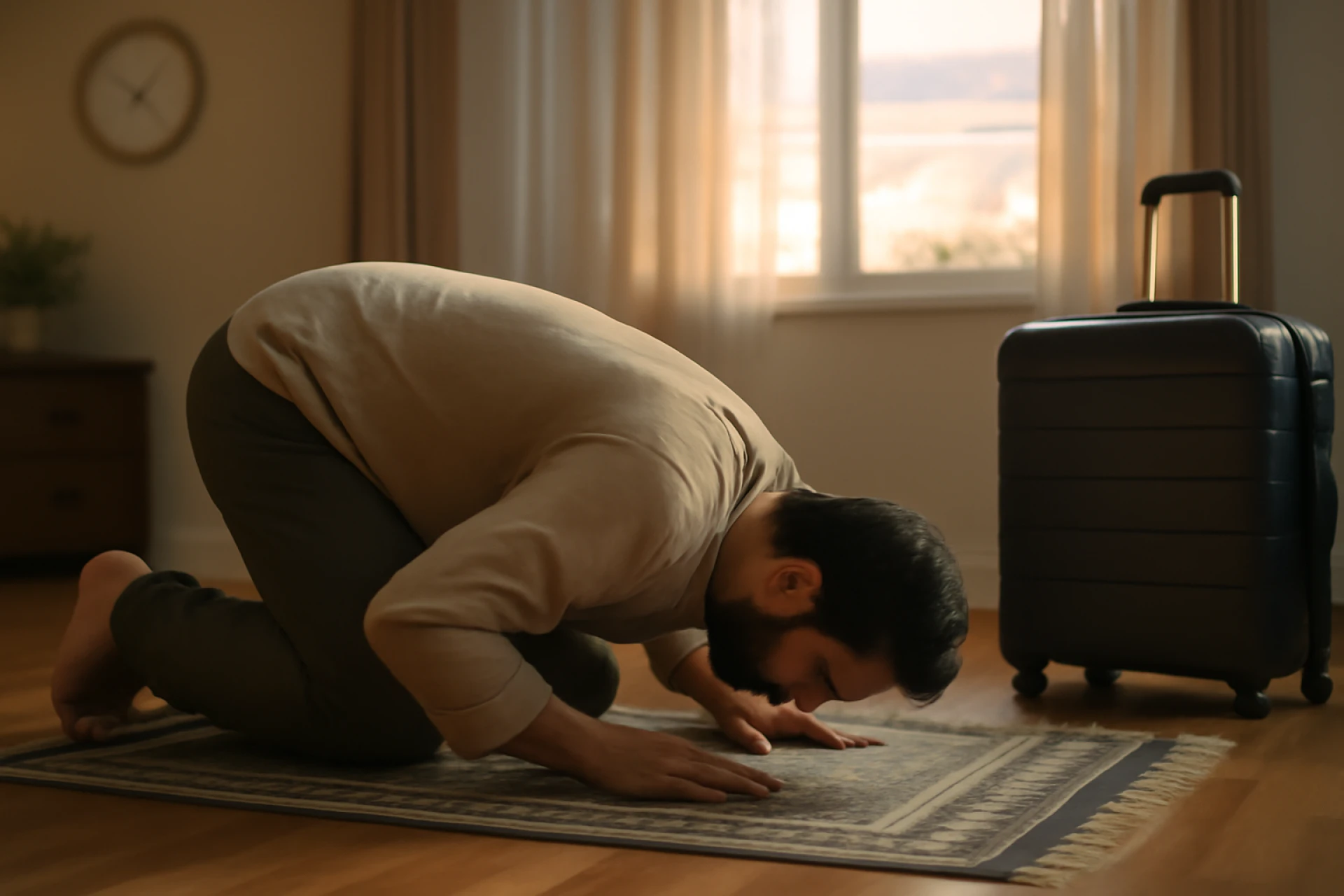
Your travel journey remains incomplete if it doesn't transform you. Just as the Prophet Muhammad (peace be upon him) and the Sahabas (May Allah Be Pleased With Them) arrived in Madinah and established a new way of life, we too should aim to return from our travels with renewed spiritual insight.
Final Wordings: Your Heart's Migration Is the Real Journey
Whether you are embarking on a halal honeymoon, taking a road trip with your family or simply walking to the local mosque, remember Hijrah is not confined to a place. It's a movement towards Allah (SWT), every journey can become sacred when it begins with the right intentions.
Your heart is always migrating. The question is: which way is it going? And if you're planning a trip that blends both logistics and spirituality, consider partnering with Itimaar.
As a trusted guide in meaningful Muslim travel, Itimaar helps make your journey seamless; not just with tickets and hotels, but with spiritual resources, guidance, and support.









Sign in to leave a comment.