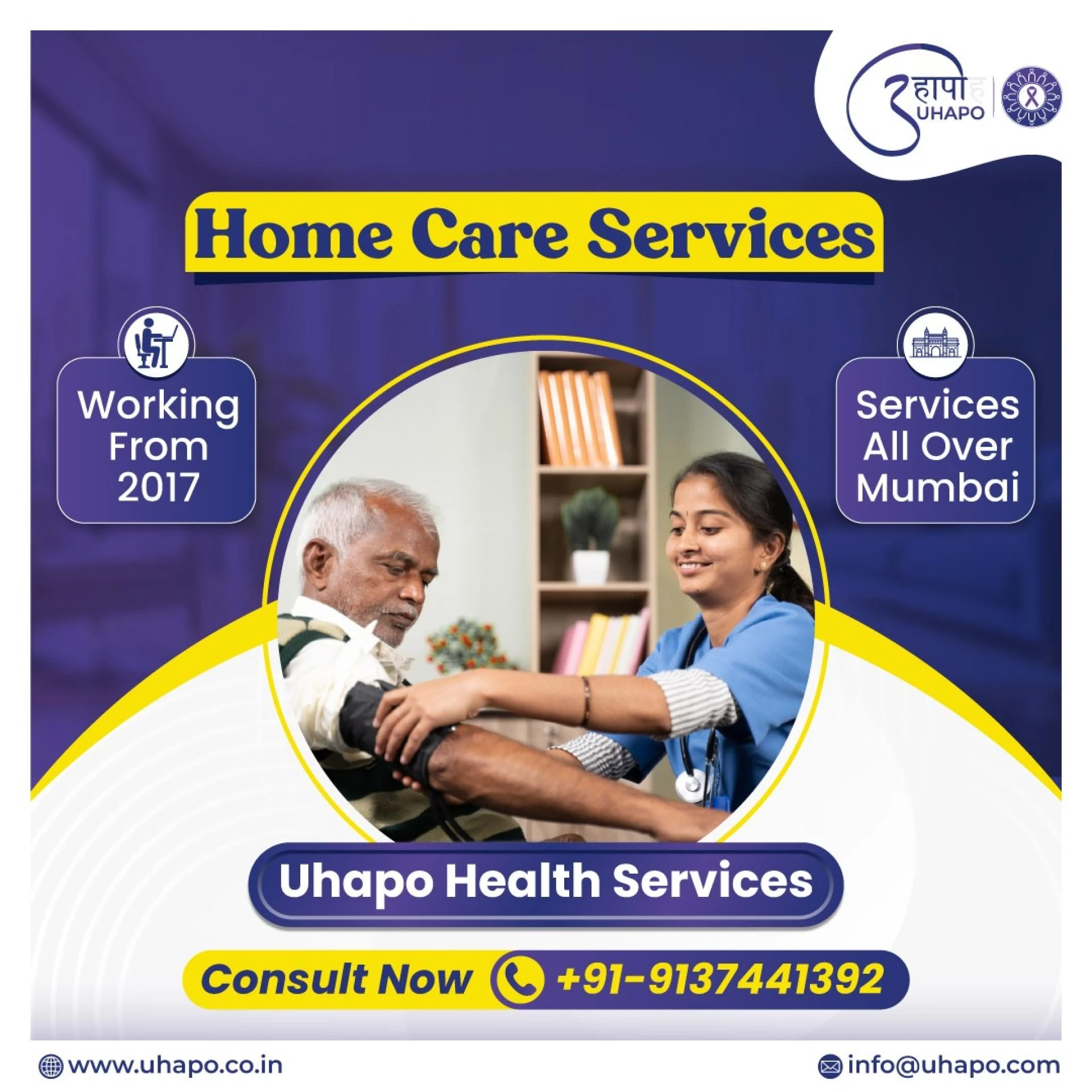

Illness can make travel and repeated admissions exhausting. Home nursing brings trained clinical support into the place where the patient can rest properly. It is not meant to recreate a hospital at home. The purpose is safe observation, basic procedures done correctly, and timely communication so problems are noticed earlier and caregivers feel less uncertain. Used appropriately, Home Nursing Services can keep care steady while reducing avoidable disruption.
What home nursing can help with
Home nursing usually supports care that is planned and safe outside a facility. This often includes monitoring vital signs, administering medicines prescribed for home use, injections, wound and dressing care, catheter and stoma care, basic diabetes support, and recovery assistance after surgery or illness. Nurses can also guide hydration and nutrition, mobility support, and skin care to reduce pressure injuries. Many families use Home Nursing Services to learn simple routines they can continue between visits.
When it is a good fit
Home nursing is often useful when mobility is limited, wounds or devices need regular care, symptoms need observation, or travel repeatedly is not practical. It can also help when caregivers are anxious about doing tasks correctly, such as dressing changes or medicine schedules. A clear purpose for each visit keeps care focused and reduces mixed instructions.
Safety basics in a home environment
Safety depends on consistent habits. Infection prevention starts with hand hygiene and clean technique during any dressing change or device handling. Standard precautions, such as using gloves when contact with blood or body fluids is expected and cleaning reusable items properly, apply across healthcare settings. Home Nursing Services should also follow safe sharps disposal, careful medicine labeling, and sensible storage of supplies away from children and pets.
The line between home nursing and urgent care
Home nursing supports day-to-day clinical tasks, but it is not emergency care. Families should agree on “red flags” that need immediate medical attention rather than waiting. Examples include severe breathlessness, chest pain, uncontrolled bleeding, repeated fainting, sudden confusion, rapidly worsening weakness, or fever in someone receiving chemotherapy. The strength of Home Nursing Services is early detection plus fast escalation when needed.
Choosing the right person for the right task
An attendant may help with bathing, feeding, mobility, and supervision. A qualified nurse is typically needed for clinical procedures, device care, symptom assessment, and medicine administration. Ask about training, experience with similar cases, and what tasks they will perform. In India, nursing oversight involves bodies such as the Indian Nursing Council and state nursing councils, and many families prefer nurses who can share registration details. Good communication matters too: explanations should be simple, and changes should be reported promptly.
Keeping everyone aligned
Home care gets stressful when instructions are scattered, messages are unclear, and memory is poor. A simple daily record helps: symptoms, temperature, blood pressure, sugar readings if relevant, medicines given, fluid intake, bowel/urine changes, and wound or device notes. This supports clearer doctor discussions and continuity across shifts. With consistent notes, Home Nursing Services are easier to coordinate and safer.
Home nursing during cancer care and serious illness
Serious illness can bring symptoms that are hard to manage alone: pain, nausea, constipation, mouth sores, fatigue, swelling, breathlessness, and poor sleep. Nursing support can track patterns, support safe comfort routines, and flag changes that need medical review. If palliative care is involved, nursing can align with that comfort-focused approach, since palliative care can begin alongside active treatment and is not limited to the final days.
Respect, privacy, and caregiver strain
Home care happens in a personal space, so dignity matters. A nurse should explain before touching, ask permission, protect modesty, and keep conversations discreet. Caregivers also need limits: clear shift timing, handover notes, and space to rest. When families are exhausted, small errors become more likely and emotions run high. By sharing the workload and keeping routines consistent, Home Nursing Services can reduce caregiver burnout and make the home feel more settled during a difficult period.
Common questions
Is home nursing only for older adults?
No. It can support post-surgery recovery, long-term illness care, or cancer-related symptom management at any age.
Can a nurse give medicines at home?
Only when a doctor has prescribed home-appropriate therapy and the setup is safe. Many treatments still require a facility.
What should we track each day?
Symptoms, temperature, blood pressure, medicines given, fluid intake, bowel/urine changes, and wound/device observations.
When should we seek urgent help instead of waiting?
Severe breathlessness, chest pain, uncontrolled bleeding, repeated fainting, sudden confusion, rapid worsening weakness, or fever during chemotherapy.
How often should the nurse update the doctor?
Whenever there is a meaningful change, and at agreed check-in points if the case is stable.












Sign in to leave a comment.