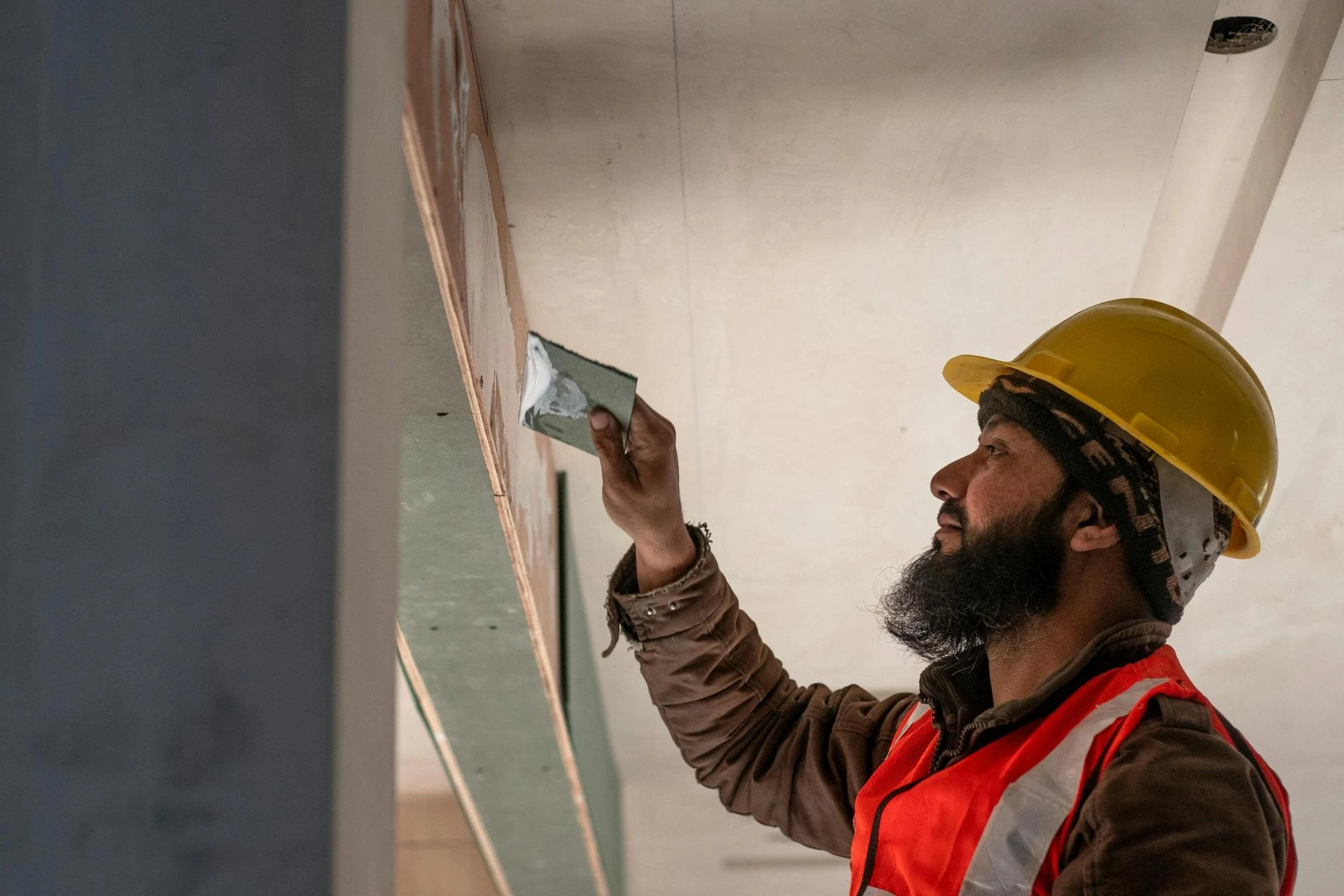
The home remodeling industry in the U.S. has been experiencing strong growth, driven by homeowners seeking upgrades for windows, siding, doors, roofing, and more. With this surge in demand, aspiring entrepreneurs face a critical decision: Should they invest in a franchise or build an independent remodeling business from the ground up? This decision impacts startup costs, operational responsibilities, marketing strategy, and long-term growth potential.
Choosing between a structured, support-driven franchise model and the freedom of an independent business can be daunting.
Understanding the pros and cons of each path helps first-time business owners make informed decisions aligned with their goals, skills, and risk tolerance.
Understanding the Two Paths
What It Means to Start a Home Remodeling Franchise
Investing in a home remodel franchise means entering a business with an established model and comprehensive support systems.
- Pre-built business model reduces trial-and-error for first-time owners.
- Existing support systems cover operations, training, and vendor relationships.
- Established processes streamline sales, marketing, and service delivery.
Franchisees benefit from proven strategies, brand recognition, and ongoing guidance, allowing them to focus on growing their territory rather than building every process from scratch.
What It Means to Start From Scratch
Starting an independent remodeling business allows full control over operations and branding.
- Build everything independently, including branding, marketing, and internal systems.
- Full creative and operational freedom to design services and processes.
- No external rules, fees, or recurring royalties to follow.
While this approach provides flexibility, it carries more responsibility and risk since success depends entirely on the owner’s ability to establish credibility and manage operations effectively.
Startup Costs and Financial Commitments
Franchise Costs
Investing in a franchise involves initial fees, training costs, and ongoing royalties.
- Franchise fees grant access to proven systems, brand recognition, and operational guidance.
- Training programs cover operations, sales, marketing, and territory management.
- Ongoing royalties contribute to continuous support, marketing, and operational resources.
Many franchise models, such as Window World, offer SBA-friendly financing options to make entry achievable for first-time entrepreneurs.
Independent Startup Costs
Independent startups often have lower initial fees but higher setup responsibilities.
- Branding, marketing, and establishing an online presence must be done from scratch.
- Licensing, insurance, and equipment represent upfront financial commitments.
- Hiring and training staff requires additional time and resources.
Without franchise support, owners face a steeper learning curve and higher operational demands early on.
Training, Support, and Systems
Franchise Support Advantages
Franchises provide structured programs to help owners launch and grow successfully.
- Step-by-step startup guidance ensures processes are implemented correctly.
- Training covers sales, marketing, and operational workflows.
- Access to proven systems reduces mistakes and accelerates growth.
This support allows franchisees to focus on client acquisition and territory expansion rather than troubleshooting operational challenges.
Independent Business Challenges
Starting independently means creating and managing all systems on your own.
- Must develop operational systems, training materials, and workflows independently.
- A steep learning curve can slow profitability.
- Finding reliable suppliers, contractors, and best practices adds complexity.
Independent owners rely solely on personal research, trial-and-error, and experience to build a sustainable business.
Franchise Benefits
Franchises offer immediate credibility and marketing support.
- Pre-built marketing tools, templates, and campaigns accelerate client acquisition.
- National or regional brand recognition helps build trust with homeowners.
- Online presence and established reputation support sales growth.
This advantage allows franchisees to quickly generate leads without investing heavily in brand development from scratch.
Independent Business Realities
Independent business owners must develop their brand identity from the ground up.
- Building brand awareness requires time, effort, and strategic marketing.
- Marketing budgets may need to be higher initially to attract clients.
- Earning customer trust is slower without an established reputation or endorsements.
Independent operators must balance marketing investments with operational needs to grow sustainably.
Independent Freedom
Independent business owners enjoy complete control over operations.
- Total creative control allows customization of services and branding.
- Ability to pivot and innovate based on local market needs.
- No recurring royalties or mandated operational guidelines.
This freedom is ideal for experienced operators comfortable managing higher risk in exchange for full autonomy.
Who Is Each Option Best For
A home remodel franchise suits individuals seeking structure and guidance.
- First-time entrepreneurs aiming to reduce startup risk.
- People who prefer clearly defined systems and support.
- Owners with limited industry experience are seeking operational training.
- Franchisees looking for high-volume, sales-driven growth opportunities.
Starting From Scratch Is Ideal For
Independent ventures appeal to experienced remodelers and operators who value creative freedom.
- Contractors are confident in their skills and industry knowledge.
- Owners who want full control over branding, pricing, and service delivery.
- People are comfortable with higher risk and responsibility.
- Entrepreneurs are willing to invest time building operational systems and reputation independently.
Choosing the Best Path for First-Time Owners
Deciding between a franchise and an independent remodeling business depends on personal goals, experience, and risk tolerance.
- Franchises provide structured guidance, brand recognition, and proven systems for faster growth.
- Independent businesses offer full creative control and potential cost savings but require more effort to establish credibility.
- Franchisees benefit from national marketing, training, and ongoing operational support.
- Independent owners rely on personal skill, marketing, and persistence to achieve long-term success.
For first-time entrepreneurs exploring the remodeling industry, a home remodel franchise provides a structured entry into business ownership, complete with established systems, ongoing support, and built-in growth potential. Independent startups, on the other hand, attract those who value full autonomy and operational flexibility, often accepting greater risk in exchange for complete control. By evaluating your strengths, long-term goals, and tolerance for risk, you can confidently choose the path that best aligns with your vision for success in the remodeling business.













Sign in to leave a comment.