
3D printing, also known as additive manufacturing, is making significant inroads in the medical field, particularly in surgical planning and procedures. In Dubai, this innovative technology is being increasingly adopted to improve surgical outcomes, enhance precision, and reduce operation times.
This article delves into the various ways 3D printing is utilized in surgical planning and procedures in Dubai, highlighting its benefits, current applications, and future prospects.
The Role of 3D Printing in Surgical Planning
Creation of Anatomical Models
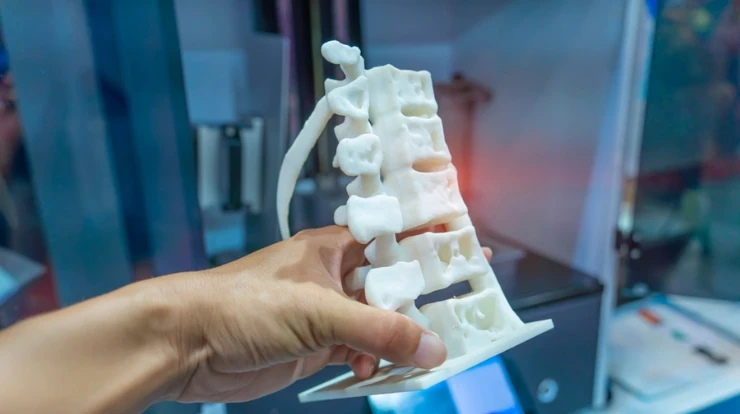
One of the primary uses of 3D printing Dubai, in surgical planning is the creation of patient-specific anatomical models. These models are generated using data from imaging techniques such as CT scans and MRIs.
By converting these scans into detailed 3D printed replicas of a patient's anatomy, surgeons in Dubai can visualize and understand complex structures before the actual surgery. This enhanced visualization allows for better preoperative planning and helps in identifying potential challenges ahead of time.
Preoperative Simulation and Training
3D printed models serve as valuable tools for preoperative simulation and training. Surgeons can practice on these models to refine their techniques and plan their surgical approach.
This hands-on practice is particularly beneficial for complex and delicate surgeries, where precision is crucial. In Dubai, medical institutions are using 3D printed models to train surgical residents and improve their skills, ultimately leading to better patient outcomes.
Enhancing Precision in Surgical Procedures
Custom Surgical Guides
3D printing is used to create custom surgical guides that assist surgeons in performing precise and accurate procedures. These guides are designed based on the patient's unique anatomy and the specific requirements of the surgery.
For instance, in orthopedic surgeries, 3D printed guides help in accurately positioning implants and aligning bones. This level of precision reduces the risk of errors and improves the overall success rate of the surgery.
Patient-Specific Implants
Another significant application of 3D printing in surgical procedures is the production of patient-specific implants. Traditional implants are often standardized, which can result in a less-than-perfect fit for the patient.
3D printing allows for the creation of implants that match the exact dimensions and contours of the patient's anatomy. In Dubai, this technology is being used to produce custom orthopedic, cranial, and dental implants, enhancing the fit, functionality, and longevity of the implants.
Reducing Operation Times and Improving Outcomes
Preoperative Planning with 3D Models
By using 3D printed models for preoperative planning, surgeons can develop a detailed and well-thought-out surgical strategy. This preparation reduces the time spent in the operating room, as surgeons are already familiar with the patient's anatomy and the surgical approach. In Dubai, hospitals are leveraging 3D printing to streamline surgical procedures, resulting in shorter operation times and improved patient recovery.
Minimizing Intraoperative Complications
The use of 3D printed guides and models minimizes intraoperative complications by providing surgeons with precise and accurate tools.
These aids help in avoiding critical structures and ensuring that surgical interventions are performed correctly. This reduction in complications leads to better surgical outcomes and enhances patient safety.
Current Applications of 3D Printing in Dubai's Surgical Field
Orthopedic Surgery
In orthopedic surgery, 3D printing is used to create custom implants, surgical guides, and anatomical models. These applications improve the accuracy of joint replacements, fracture repairs, and spinal surgeries. Dubai's orthopedic surgeons are increasingly adopting 3D printing to enhance the precision and outcomes of their procedures.
Cardiac Surgery
Cardiac surgeons in Dubai are using 3D printing to create models of patients' hearts, which help in planning complex procedures such as valve replacements and congenital defect repairs.
These models provide a detailed view of the heart's structure, allowing surgeons to develop precise surgical plans and improve the success rates of cardiac surgeries.
Neurosurgery
In neurosurgery, 3D printing is employed to create detailed models of the brain and skull, assisting surgeons in planning and performing intricate procedures. These models help in visualizing tumors, vascular structures, and other critical areas, enabling surgeons to execute precise interventions with reduced risk.
Dental Surgery
The dental field in Dubai has embraced 3D printing for creating custom dental implants, crowns, bridges, and surgical guides. This technology allows for the production of highly accurate and personalized dental restorations, improving the fit, aesthetics, and functionality of the implants.
Future Prospects of 3D Printing in Surgical Planning and Procedures
Advancements in Bioprinting
Bioprinting, a subset of 3D printing, involves printing biological tissues and organs. While still in its early stages, bioprinting holds immense potential for the future of surgery. Researchers in Dubai are exploring the possibilities of printing tissues and organs for transplantation, which could revolutionize the field of regenerative medicine.
Integration with Augmented Reality
The integration of 3D printing with augmented reality (AR) is another promising development. AR can overlay digital information onto the physical world, providing surgeons with real-time guidance during procedures. Combining 3D printed models with AR technology can enhance surgical precision and improve outcomes.
Personalized Medicine
As 3D printing technology continues to advance, its role in personalized medicine will expand. In Dubai, ongoing research and innovation are paving the way for more personalized and patient-specific treatments.
The ability to create custom implants, models, and surgical guides tailored to individual patients will become increasingly prevalent, leading to better and more effective medical care.
Conclusion
3D printing is transforming surgical planning and procedures in Dubai, offering numerous benefits such as enhanced precision, reduced operation times, and improved patient outcomes. By creating detailed anatomical models, custom surgical guides, and patient-specific implants, 3D printing is revolutionizing the way surgeries are planned and performed.
As technology continues to evolve, the future of 3D printing in Dubai's surgical field looks promising, with advancements in bioprinting, augmented reality integration, and personalized medicine set to further enhance the capabilities and impact of this innovative technology.












Sign in to leave a comment.