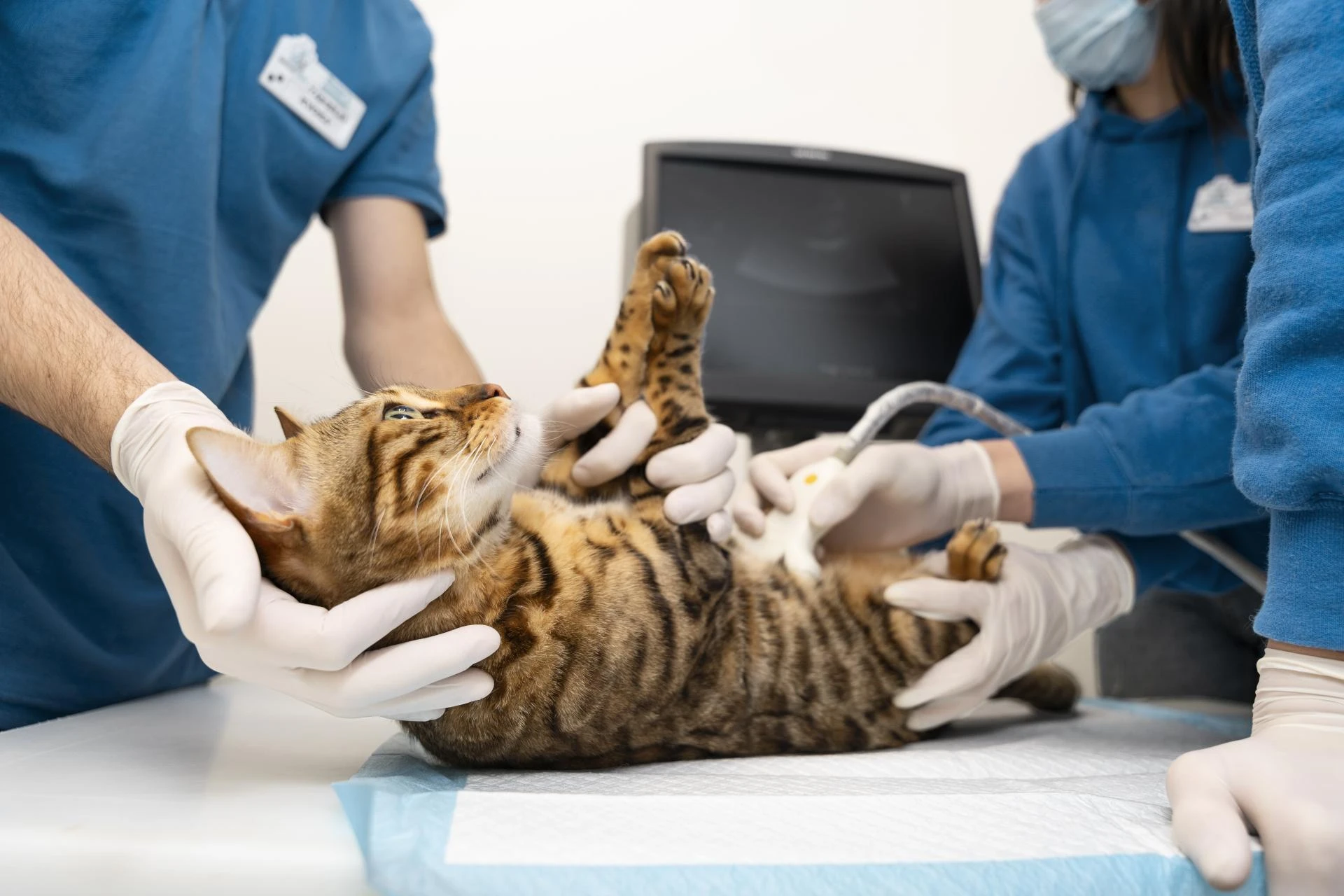

A cat abdominal ultrasound is one of the safest ways to check a cat’s internal health without causing stress or discomfort. Unlike more invasive methods, ultrasounds provide clear, real-time images of organs such as the liver, kidneys, bladder, and intestines. This allows veterinarians to make accurate diagnoses quickly, often spotting problems that might otherwise remain hidden. Pets are family, and ensuring their health without causing fear or pain is always the priority.
Seeing Inside Without Surgery
Many health problems in cats develop quietly. Conditions like liver inflammation, kidney disease, or fluid buildup may not show obvious signs at first. A cat's abdominal ultrasound lets veterinarians see inside without needing surgery or needles. This method reduces pain and allows for early treatment, which often leads to faster recovery and fewer complications.
Cats can also have digestive problems or growths that are not visible from the outside. Ultrasound helps spot these problems before they become serious. Early detection can save the cat from more stressful and costly procedures later.
How the Procedure Works
During an abdominal ultrasound, the cat usually lies on a soft table while a veterinarian applies warm gel to the belly. A small probe sends sound waves into the body, producing images on a screen. Most cats tolerate the procedure well, and sedation is rarely needed. The vet can examine organ size, texture, and blood flow instantly, making it easier to spot any problems.
The procedure is gentle and quick. Cats often do not feel anything unusual, and the vet can get clear pictures without causing fear. This makes ultrasounds suitable even for older or more anxious pets.
Spotting Hidden Problems Before They Escalate
Ultrasound can detect issues that blood tests or X-rays might miss. Small tumors, gallstones, blockages in the intestines, or fluid around organs can be found early. Detecting problems at this stage allows veterinarians to recommend less invasive treatments or guide decisions about surgery or medication, saving both time and stress for your pet.
Hidden problems can grow quietly and lead to serious illness. Early ultrasound checks help vets treat these problems before they become emergencies.
Stress-Free Monitoring During Treatment
Cats recovering from illness or surgery benefit from regular abdominal ultrasounds. These scans can track how organs respond to treatment without adding stress or discomfort. For instance, after conditions like pancreatitis, bladder infections, or liver problems, ultrasounds help vets adjust treatment plans while keeping cats calm. This reduces the need for repeated invasive procedures and ensures better recovery.
Owners can also see that their pet is safe and not in pain, which reduces worry and helps them follow the vet’s instructions more carefully.
Advantages Over Other Imaging Methods
Compared to X-rays or CT scans, ultrasounds are gentle, radiation-free, and provide real-time images. This makes them ideal for cats who are nervous or sensitive to touch. The non-invasive nature also reduces the chance of injury or stress, helping cats remain calm while giving vets reliable results.
X-rays show bones clearly, but are less detailed for soft tissues. Ultrasounds provide a complete picture of organs, allowing vets to see blockages, tumors, or fluid buildup that X-rays may not show.
How Ultrasounds Support Better Decisions
A cat's abdominal ultrasound helps veterinarians decide whether more intensive treatments are necessary. For example, if an ultrasound shows a blocked intestine, the vet can decide whether surgery is required or if medicine can help first. Accurate imaging prevents unnecessary procedures, keeps pets safe, and improves outcomes.
Using ultrasound data, vets can also choose the best timing for treatments. This ensures procedures are done only when needed, reducing stress and risk for the cat.
Combining Technology for Enhanced Care
Ultrasound works best when paired with other tools like blood tests, urine analysis, or endoscopy. Together, these methods provide a complete picture of the cat’s health, allowing early detection of conditions and ensuring interventions are timely and precise. This combination increases the likelihood of a full recovery while minimizing discomfort.
Technology also allows vets to store images and compare results over time. This helps track healing and detect new issues without extra procedures, keeping the process safe and efficient.
Preparing Your Cat for the Ultrasound
Owners can help make the procedure smooth by keeping cats calm and comfortable. Simple steps like feeding light meals, providing a familiar blanket, or gentle handling before the appointment reduce stress. The calmer the cat, the more accurate the ultrasound results will be.
Some cats may benefit from short playtime or quiet time before the appointment. Avoid loud noises or rushing, as a relaxed pet is easier to examine, and the images will be clearer.
In Closing:
A cat's abdominal ultrasound provides a thorough and stress-free way to examine internal organs. It helps veterinarians detect hidden problems early, support treatment decisions, and monitor recovery without causing trauma. By providing precise, real-time information, ultrasounds guide safer and more effective treatments. Early imaging can also reduce the need for more invasive procedures and improve recovery times. For pets that may require dog abdominal surgery or other interventions in the future, early detection through ultrasound ensures safer and better outcomes.
If your cat shows unusual signs such as vomiting, loss of appetite, lethargy, or abdominal discomfort, schedule an ultrasound with your veterinarian. Early evaluation can protect your cat’s health, reduce stress, and allow the best care decisions to be made promptly.












Sign in to leave a comment.