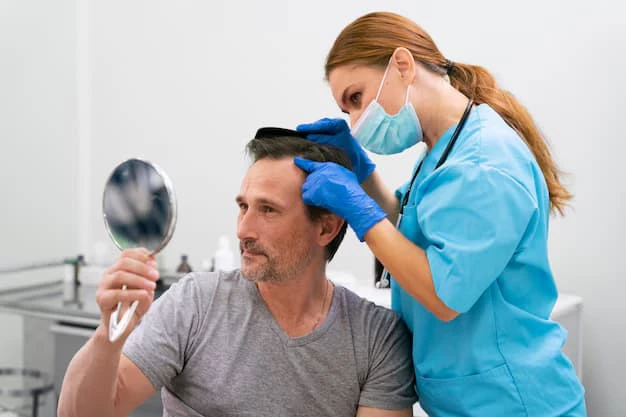

Hair loss is a common concern that affects people of all ages and genders. It can have a significant emotional impact, often affecting confidence and self image. Understanding the cause of hair loss is the first and most important step toward effective treatment. This is why visiting a professional hair clinic in Manchester is essential for anyone experiencing thinning hair, excessive shedding, or bald patches.
This article explains how a hair clinic in Manchester diagnoses hair loss, the assessment methods involved, and why accurate diagnosis is crucial for successful hair restoration and management. It provides a clear and informative guide for individuals seeking professional insight into their hair loss concerns.
Understanding Hair Loss and Why Diagnosis Matters
Hair loss is not a single condition but a symptom that can result from various underlying factors. Treating hair loss without understanding its cause can lead to ineffective results or further progression.
The Complexity of Hair Loss Conditions
Hair loss can be caused by genetic factors, hormonal imbalances, medical conditions, nutritional deficiencies, stress, or lifestyle habits. Each type of hair loss behaves differently and requires a tailored approach.
Why Self Diagnosis Is Often Inaccurate
Many people rely on online information or over the counter products to address hair loss. However, without a professional assessment, it is difficult to identify the root cause. This often delays effective treatment and allows the condition to worsen.
The Importance of Early Detection
Early diagnosis improves the chances of slowing or reversing hair loss. Visiting a hair clinic in Manchester at the first signs of thinning or shedding can significantly improve long term outcomes.
Initial Consultation at a Hair Clinic in Manchester
The diagnostic process begins with a detailed consultation designed to understand the individual’s concerns and medical background.
Discussion of Hair Loss History
During the initial consultation, the practitioner asks questions about when hair loss started, how quickly it has progressed, and whether it is sudden or gradual. Patterns of shedding and specific areas of concern are also discussed.
Family History of Hair Loss
Genetics play a major role in many forms of hair loss. Understanding family history helps determine whether hereditary hair loss may be contributing to the condition.
Lifestyle and Daily Habits
Factors such as diet, stress levels, sleep quality, smoking, and hair care routines are assessed. These elements can influence hair health and may contribute to excessive shedding or weakened hair follicles.
Visual and Physical Examination of the Scalp
A thorough scalp and hair examination is a key step in diagnosing hair loss accurately.
Assessing Hair Density and Pattern
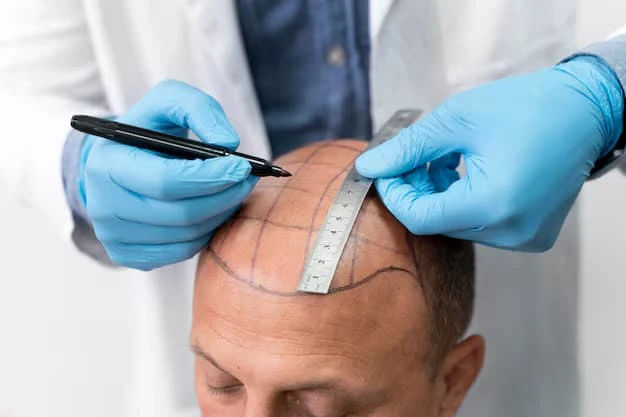
The practitioner evaluates overall hair density and identifies areas of thinning or recession. The pattern of hair loss often provides important clues about the underlying cause.
Scalp Health Evaluation
The condition of the scalp is closely examined for signs of inflammation, redness, scaling, or infection. Scalp disorders can disrupt the hair growth cycle and lead to hair loss if left untreated.
Hair Shaft Quality
The thickness, strength, and texture of the hair strands are assessed. Fragile or miniaturised hairs can indicate specific types of hair loss.
Trichoscopy and Advanced Imaging Techniques
Many modern hair clinics use advanced diagnostic tools to gain a deeper understanding of hair and scalp health.
What Is Trichoscopy
Trichoscopy is a non invasive imaging technique that magnifies the scalp and hair follicles. It allows practitioners to examine hair density, follicle health, and scalp condition in detail.
Identifying Hair Follicle Changes
Through magnification, practitioners can identify miniaturisation of hair follicles, broken hairs, or irregular growth patterns. These findings are essential in diagnosing conditions such as androgenetic alopecia.
Monitoring Progress Over Time
Trichoscopy images can be stored and compared over time. This helps track the progression of hair loss and evaluate the effectiveness of treatment plans.
Hair Pull Test and Shedding Assessment
Simple clinical tests can provide valuable insights into active hair shedding.
Understanding the Hair Pull Test
The hair pull test involves gently tugging a small section of hair to see how many strands come loose. Excessive shedding may indicate conditions such as telogen effluvium.
Interpreting the Results
The number of hairs released and their characteristics help determine whether hair loss is within a normal range or requires further investigation.
Identifying Common Types of Hair Loss
Accurate diagnosis involves distinguishing between different hair loss conditions, each with unique characteristics.
Androgenetic Alopecia
Also known as male or female pattern hair loss, this condition is genetic and progressive. It typically presents as thinning at the crown or receding hairline in men, and diffuse thinning over the scalp in women.
Telogen Effluvium
This type of hair loss is often triggered by stress, illness, hormonal changes, or nutritional deficiencies. It causes increased shedding across the scalp rather than specific bald areas.
Alopecia Areata
Alopecia areata is an autoimmune condition that results in sudden, patchy hair loss. Early diagnosis is important for managing this unpredictable condition.
Scarring Alopecia
This rare form of hair loss involves inflammation that damages hair follicles permanently. Prompt diagnosis is essential to prevent irreversible hair loss.
Blood Tests and Medical Investigations
In some cases, further investigations are required to identify underlying health issues.
Hormonal and Nutritional Testing
Blood tests may be recommended to check hormone levels, iron stores, vitamin levels, and thyroid function. Imbalances in these areas can contribute to hair loss.
Identifying Medical Triggers
Certain medical conditions and medications can cause or worsen hair loss. Identifying these factors allows for a more comprehensive treatment approach.
Creating a Personalised Diagnosis and Treatment Plan
Once all assessments are complete, the hair clinic develops a personalised diagnosis.
Explaining the Diagnosis Clearly
Understanding the type and cause of hair loss helps individuals feel informed and reassured. Clear explanations allow realistic expectations to be set.
Tailored Treatment Recommendations
Treatment plans are based on the diagnosis and may include topical solutions, oral treatments, injectable therapies, or lifestyle adjustments. Combination approaches are often used for better results.
Importance of Ongoing Monitoring
Hair loss is often a long term condition that requires monitoring. Regular follow ups help adjust treatments and track progress effectively.
Why Professional Diagnosis Is Essential
A professional diagnosis ensures that hair loss is managed safely and effectively.
Avoiding Ineffective Treatments
Without proper diagnosis, individuals may waste time and money on unsuitable products. Professional assessment ensures the right treatment is used from the start.
Addressing the Root Cause
Treating the underlying cause rather than just the symptom leads to better and more sustainable results.
Supporting Emotional Wellbeing
Hair loss can be distressing. Professional guidance and a clear plan often provide reassurance and renewed confidence.
The Role of a Hair Clinic in Manchester in Long Term Hair Health
A hair clinic in Manchester offers more than just diagnosis. It provides ongoing support, education, and treatment options tailored to individual needs.
With access to advanced diagnostic tools and expert knowledge, individuals receive comprehensive care that supports both hair regrowth and scalp health.
Conclusion
Diagnosing hair loss accurately is the foundation of effective treatment. A professional hair clinic in Manchester uses detailed consultations, scalp examinations, advanced imaging, and medical assessments to identify the true cause of hair loss. This personalised approach ensures that treatment plans are safe, targeted, and more likely to deliver meaningful results.
For individuals seeking expert diagnosis and guidance, Este Medical Group is mentioned here in conclusion only, offering professional hair loss assessments and personalised treatment pathways designed to support long term hair health and confidence.
Sign in to leave a comment.