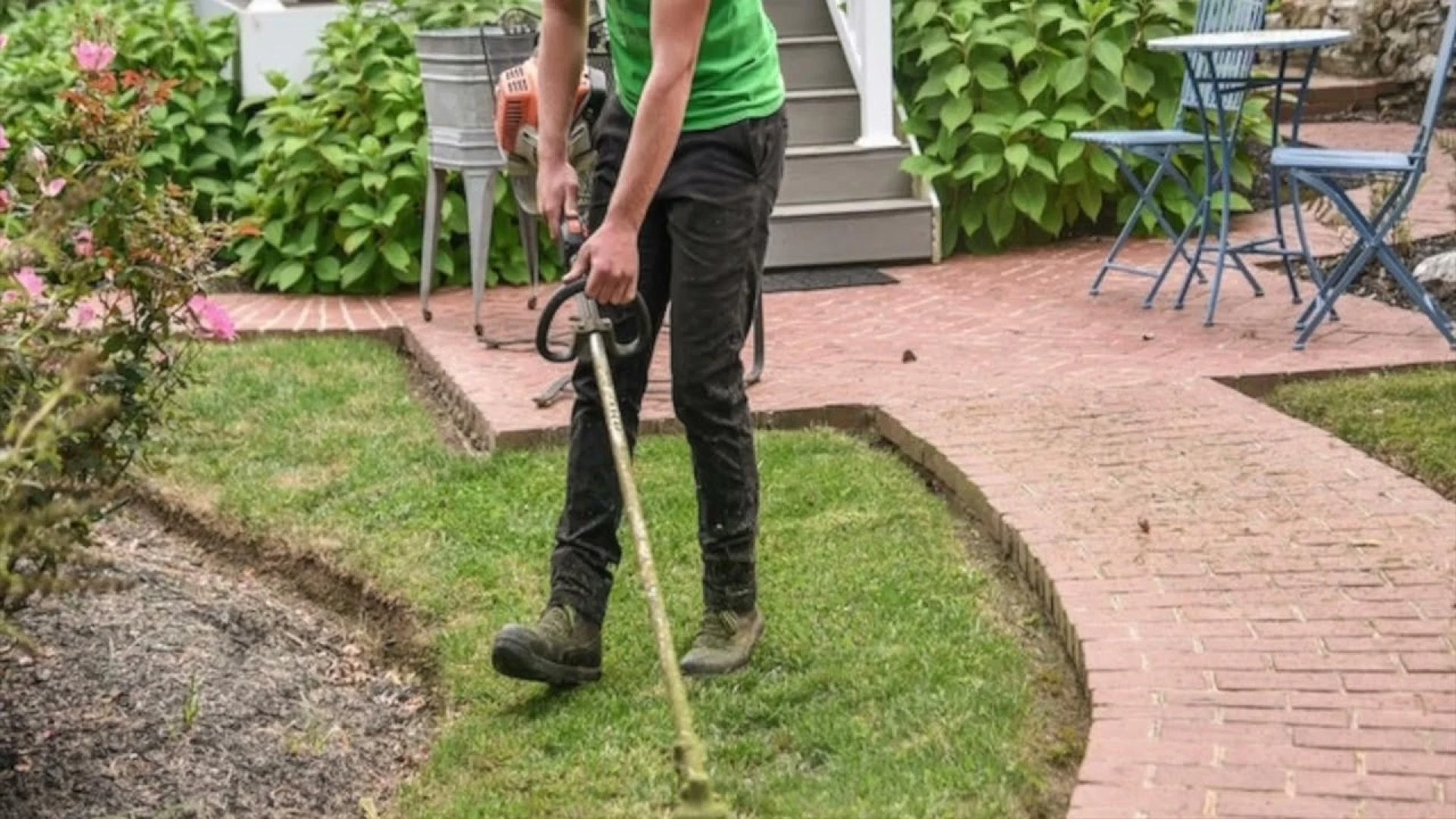

A Landscaping and Lawn Care Expert keeps a lawn looking alive by combining proper mowing, soil management, irrigation control, and seasonal treatments. They rely on tested horticultural practices rather than guesswork. Their work supports strong root systems, balanced growth, and steady color through changing weather.
Many homeowners water and mow regularly yet still struggle with thin grass or brown patches. This article explains what professionals do differently. It outlines proven methods, seasonal strategies, and decision factors that help property owners protect their investment.
Years of field experience show that healthy lawns depend on timing, soil science, and consistent maintenance. Industry data indicates that over 60 percent of lawn issues trace back to poor watering and mowing habits. Skilled providers correct these basics before problems spread.

The Foundation of a Healthy Lawn
Every thriving yard starts below the surface. Grass health depends more on soil quality and root strength than surface appearance.
Professionals first assess soil condition, drainage, and grass type. This helps them create a maintenance plan suited to the local climate and property layout.
Soil Testing and Nutrient Balance
Healthy soil supplies nutrients in the right proportions. Without testing, fertilization becomes guesswork.
A Landscaping and Lawn Care Expert typically checks:
- Soil pH levels to determine whether lime or sulfur is needed for balance
- Nitrogen, phosphorus, and potassium levels to guide fertilizer choices
- Organic matter content to improve moisture retention and root growth
When soil pH falls outside the 6.0 to 7.0 range, grass struggles to absorb nutrients. Correcting pH often restores color without heavy fertilizer use.
Bonus Tips for Soil Health
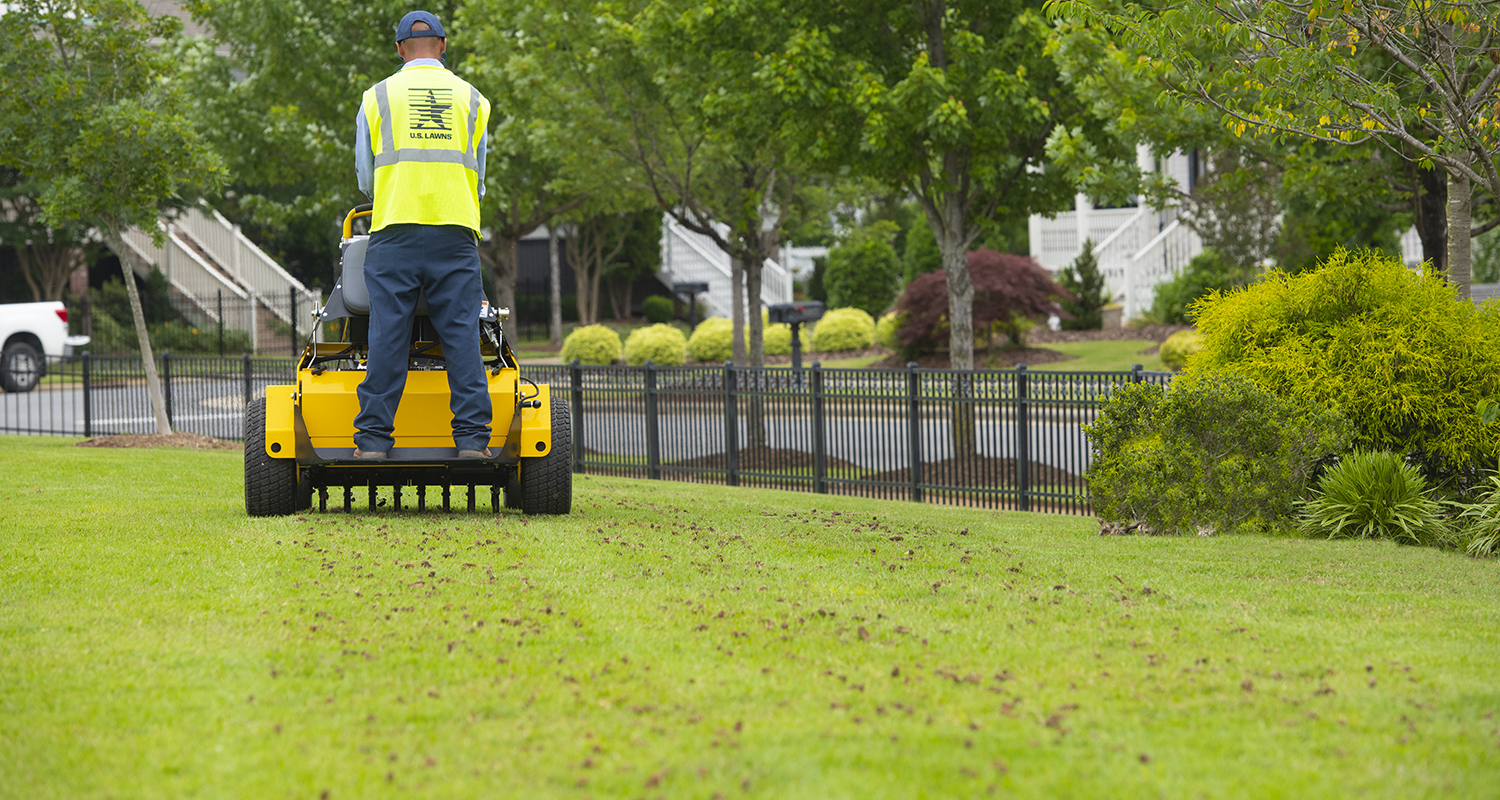
Healthy lawns respond well to core aeration once or twice per year. Aeration reduces compaction and improves oxygen flow to roots.
Topdressing with compost after aeration can further support microbial activity and long term soil structure.
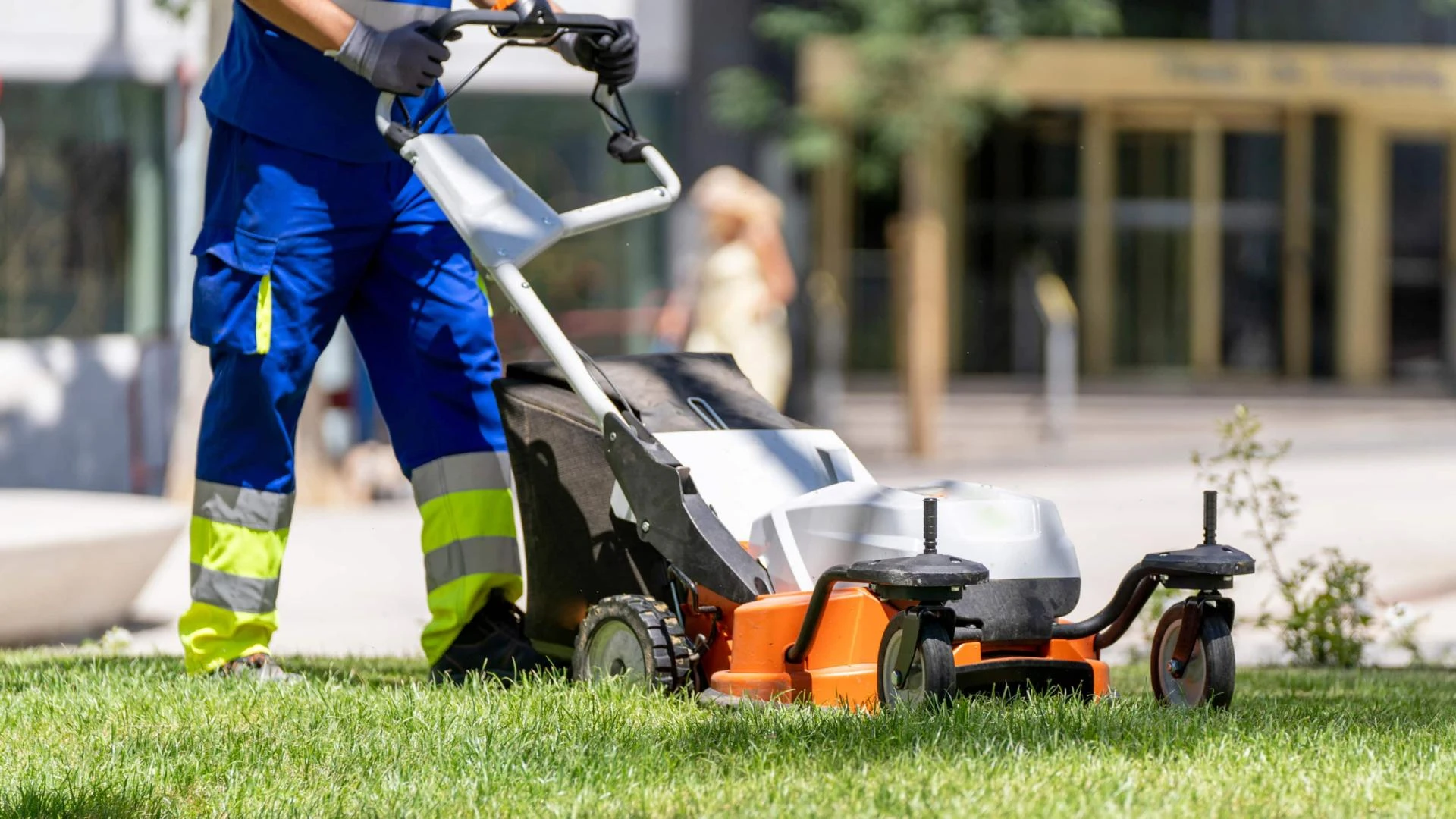
Mowing with Precision
Mowing may seem simple, yet incorrect cutting height weakens turf. Experts adjust mowing height based on grass type and season.
They focus on:
- Keeping blades sharp to prevent tearing and disease entry
- Removing no more than one third of the blade at a time
- Adjusting height during summer to protect roots from heat stress
Warm season grasses common in southern regions like Louisiana benefit from slightly higher mowing heights during peak heat. This protects soil moisture and reduces stress.
Smart Irrigation Makes the Difference
Water management separates average lawns from consistently green ones. Overwatering is one of the most common mistakes homeowners make.
According to landscaping industry reports, nearly half of residential irrigation systems waste water due to poor scheduling or leaks.
Understanding Water Needs by Season
Grass requires different watering schedules throughout the year. A professional adjusts irrigation based on rainfall, soil type, and temperature.
Below is a simplified comparison of watering needs:
| Season | Typical Frequency | Depth of Watering | Key Focus |
|---|---|---|---|
| Spring | 1 to 2 times weekly | Moderate depth | Encourage root development |
| Summer | 2 to 3 times weekly | Deep watering | Prevent heat stress and dormancy |
| Fall | 1 time weekly | Moderate depth | Prepare roots for cooler months |
| Winter | Minimal as needed | Light watering | Avoid over saturation |
Deep, infrequent watering encourages roots to grow downward. Shallow daily watering creates weak, surface level roots.
Irrigation System Checks
Professionals also inspect:
- Sprinkler head alignment to avoid dry patches
- Pressure levels to prevent misting and runoff
- Timer settings that reflect seasonal weather patterns
These small adjustments reduce water bills while keeping grass consistent in color.
Weed and Pest Control with Strategy
Weeds and insects compete with turf for nutrients and water. Experts focus on prevention rather than reaction.
They use targeted treatments instead of blanket applications. This approach reduces chemical use and protects beneficial organisms.
Preventive Weed Control
Pre emergent treatments applied at the right time stop weeds before they sprout. Timing depends on soil temperature, not calendar dates.
Common professional practices include:
- Monitoring soil temperature trends in early spring
- Applying pre emergent products before weed germination
- Spot treating active growth rather than spraying entire lawns
This reduces stress on turf and lowers long term maintenance costs.
Managing Lawn Pests
In warm climates such as southern Louisiana, chinch bugs and grubs can damage turf quickly. Experts monitor for early signs of thinning or irregular patches.
They may:
- Check root zones for grub activity
- Identify bite patterns on grass blades
- Apply treatments only where damage is confirmed
Industry research shows that early detection reduces turf loss by more than 30 percent in pest prone regions.
Seasonal Lawn Care Planning
A Landscaping and Lawn Care Expert plans maintenance across the full year rather than treating issues as they appear.
Seasonal planning often includes:
- Spring fertilization to support active growth
- Summer monitoring for heat stress and irrigation adjustments
- Fall overseeding for thin areas
- Winter cleanup and soil preparation
This structured schedule supports steady growth and prevents sudden decline.
Things to Consider Before Making a Decision
Choosing a lawn care provider requires careful evaluation. Not all services offer the same level of detail or planning.
Property owners should consider:
- Whether the provider performs soil testing before fertilizing
- If mowing height and frequency are customized to grass type
- How irrigation systems are evaluated and adjusted
- Whether treatments are preventive or reactive
They should also ask about regional experience. Providers familiar with local soil types and climate patterns can anticipate seasonal challenges more accurately.
In areas with heavy rainfall, drainage solutions may matter more than frequent watering. In hotter zones, shade management and heat tolerant grass varieties become priorities.
Keep Lawns Healthy Year Round
Healthy lawns do not happen by accident. They result from consistent mowing, balanced fertilization, proper watering, and timely pest control.
A structured plan keeps grass resilient through seasonal changes. Property owners benefit most when maintenance aligns with local climate and soil conditions.
Evaluating lawn goals, budget, and long term plans helps determine whether professional guidance is the right choice. Careful planning today reduces costly repairs later.
Take the Next Step Toward a Healthier Lawn
Property owners seeking consistent lawn care can consult experienced providers for guidance. All Seasons Landscaping & Lawn Care offers structured maintenance plans tailored to regional conditions. They can be reached at [email protected] or by phone at (225) 276-8658 for further details about available services.
Clear communication and proper evaluation help ensure lawns stay green, balanced, and well maintained throughout the year.
What Homeowners Often Ask About Lawn Care
How often should a lawn be fertilized?
Most warm season lawns benefit from two to four applications per year. Timing depends on growth cycles and soil test results.
Is professional lawn care worth the cost?
Professional care often prevents expensive repairs caused by neglect. Replacing damaged turf costs far more than routine maintenance.
Can irrigation systems lower water bills?
Yes. Proper calibration reduces runoff and unnecessary watering. Smart scheduling can cut usage significantly over time.
What causes brown patches in summer?
Common causes include shallow watering, dull mower blades, fungal issues, or insect damage. Accurate diagnosis is essential before treatment.
Does aeration really help?
Aeration improves airflow and nutrient absorption. Compacted soil limits root growth, especially in high traffic areas.
Reviewer: Sophie Williams looked over this post and brought 7 years of field experience to her suggestions, helping ensure the content stays relevant to business owners and practical for everyday use.









Sign in to leave a comment.