Manufacturing isn’t simple. Every product goes through many steps—buying materials, paying workers, running machines, storing goods, and delivering orders. If these costs aren’t tracked properly, pricing becomes guesswork. That’s why accounting for manufacturing companies is so important.
Manufacturing accounting helps businesses understand what their products truly cost. With clear cost information, companies can set prices that cover expenses and still make a profit. Without it, businesses may charge too little, lose money, or miss rising costs until it’s too late.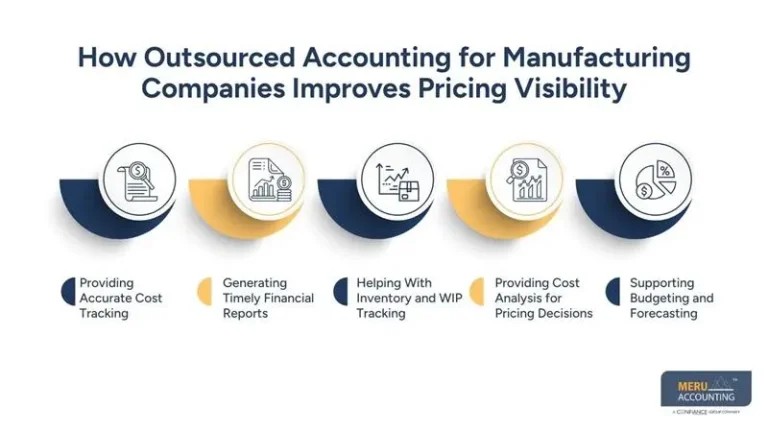
Why Accounting for Manufacturing Companies Matters for Pricing
Product pricing isn’t just about raw materials. It also includes labor, factory expenses, storage, waste, and unsold inventory. Accounting for manufacturing companies brings all these costs together so pricing is based on facts, not assumptions.
When costs change—like higher material prices or increased wages—manufacturing accounting helps companies adjust prices quickly and protect profit margins.
Common Profit Problems Manufacturing Accounting Helps Solve
Many manufacturers lose profit because key costs aren’t tracked properly. These include:
- Rising raw material prices
- Production delays that increase labor and overhead
- Waste and scrap that go unrecorded
- Higher labor costs from overtime or staffing changes
- Overhead costs like rent, utilities, and maintenance
- Inventory holding costs and excess stock
Accounting for manufacturing companies helps track these issues early so businesses can fix them before they affect profits.
How Manufacturing Accounting Improves Cost Accuracy
Accurate costs lead to better pricing. Manufacturing accounting helps by:
- Tracking costs per product
- Recording actual labor hours
- Capturing waste and scrap
- Monitoring machine usage
- Allocating overhead correctly
With accurate data, companies can price products confidently and protect margins.
Identifying Profitable and Unprofitable Products
One major benefit of accounting for manufacturing companies is knowing which products make money and which don’t. By comparing sales, production costs, and overhead, businesses can:
- Increase prices
- Reduce costs
- Improve product design
- Stop producing low-profit items
This helps focus resources on the most profitable products.
Inventory and WIP Tracking Support Better Pricing
Inventory mistakes can distort profits and lead to wrong pricing. Manufacturing accounting ensures inventory and work-in-progress (WIP) are valued correctly, giving a clear picture of real costs.
Accurate inventory tracking helps businesses avoid underpricing, overpricing, and cash flow problems.
How Outsourced Accounting Improves Pricing Decisions
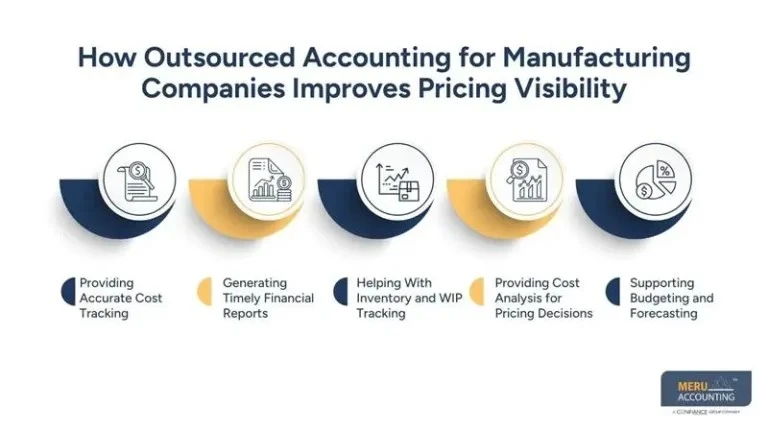
Many businesses choose outsourced accounting for manufacturing companies to gain better cost visibility. Outsourced experts help with:
- Accurate cost and inventory tracking
- Regular financial reports
- WIP monitoring
- Cost analysis for pricing
- Budgeting and planning
This gives manufacturers clearer insight into costs and margins.
Key Reports That Guide Pricing Decisions
Manufacturing accounting provides reports that support smart pricing, including:
- Cost of Goods Sold (COGS)
- Gross margin by product
- Inventory valuation
- WIP reports
- Overhead cost reports
- Product profitability reports
These reports help businesses price products based on real numbers.
Key Takeaways
- Accounting for manufacturing companies supports accurate pricing
- Clear cost tracking improves profit margins
- Inventory and WIP tracking prevent pricing mistakes
- Outsourced accounting improves cost visibility
- Financial reports guide better pricing decisions
Accurate accounting leads to better prices, stronger margins, and healthier manufacturing businesses.










Sign in to leave a comment.