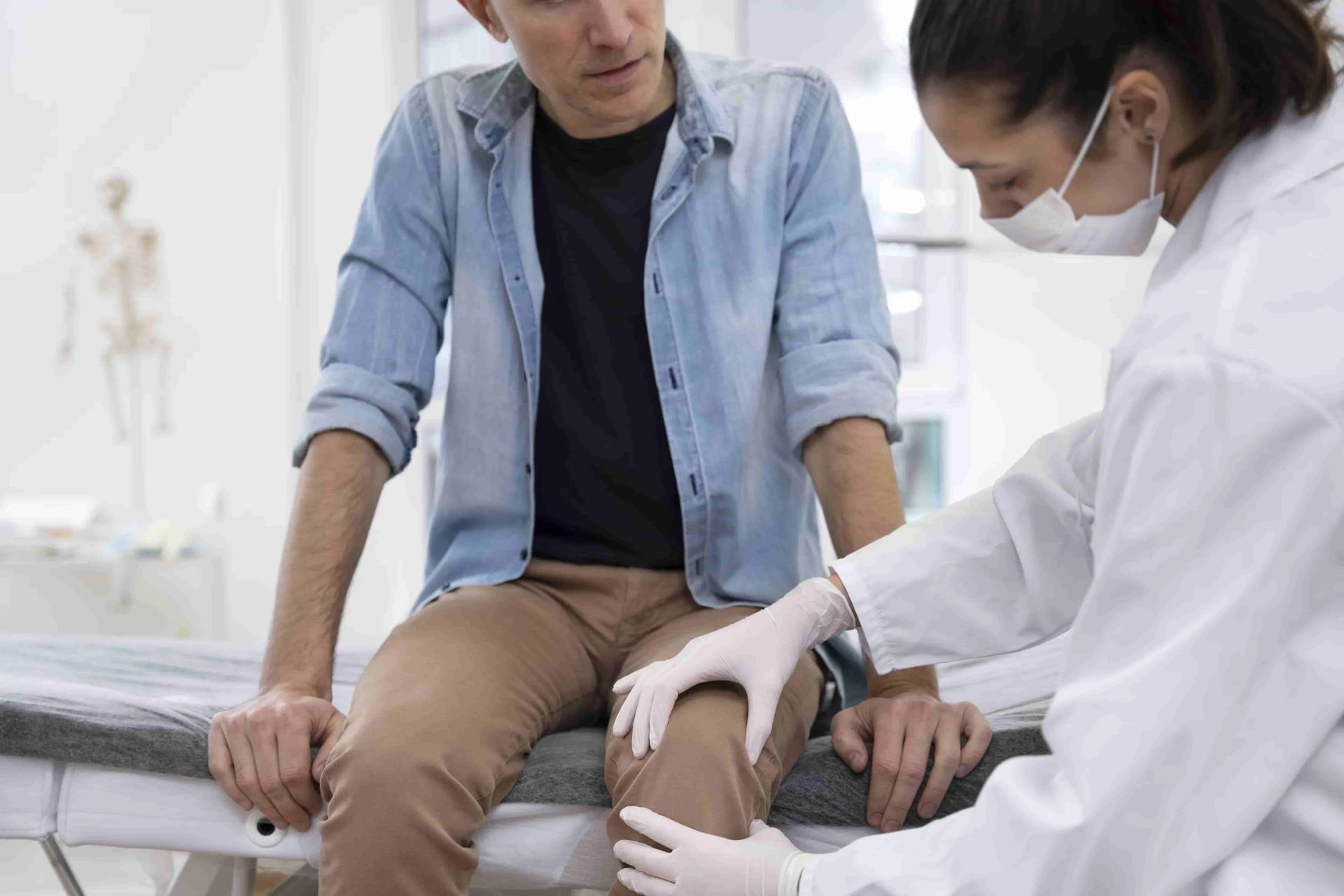

Injuries can disrupt more than just your daily routine they can affect your independence, confidence, and overall quality of life. Whether it’s a sports-related fracture, a torn ligament from a sudden fall, or chronic joint pain after an accident, mobility issues often require specialized care. This is where an orthopedic surgeon plays a critical role. Their expertise lies in diagnosing, treating, and rehabilitating conditions that affect bones, joints, ligaments, tendons, and muscles.
Understanding how an orthopedic surgeon restores mobility after injury can help patients make informed decisions about their recovery journey and set realistic expectations for healing.
Understanding the Role of an Orthopedic Surgeon
Orthopedic surgery focuses on the musculoskeletal system the framework that supports movement and stability. An orthopedic surgeon is trained to manage both surgical and non-surgical treatments for injuries such as fractures, dislocations, torn ligaments, spinal issues, and degenerative joint conditions.
Mobility restoration is not just about repairing damaged tissue. It involves a comprehensive approach that addresses pain management, structural correction, functional recovery, and long-term prevention of further injury.
Accurate Diagnosis: The First Step Toward Recovery
Before mobility can be restored, the exact nature of the injury must be identified. Orthopedic surgeons rely on:
- Detailed medical history
- Physical examination
- Imaging tests such as X-rays, MRI scans, or CT scans
- Functional assessments
A proper diagnosis ensures that the treatment plan is tailored to the patient’s specific condition. For example, a simple fracture may require casting, while a complex ligament tear might need surgical reconstruction.
Early and precise diagnosis significantly improves recovery outcomes and reduces the risk of long-term complications.
Non-Surgical Treatments for Mobility Restoration
Not every injury requires surgery. In many cases, orthopedic surgeons begin with conservative treatment options designed to reduce pain and encourage natural healing.
1. Medication and Pain Management
Anti-inflammatory drugs and pain relievers help control discomfort and swelling, allowing patients to move more comfortably during recovery.
2. Physical Therapy
Targeted exercises strengthen surrounding muscles, improve flexibility, and restore range of motion. Physical therapy is often the cornerstone of non-surgical mobility recovery.
3. Bracing and Casting
Immobilization devices stabilize injured bones or joints, giving them time to heal correctly.
4. Injections
Corticosteroid or hyaluronic acid injections may reduce inflammation and improve joint function in specific cases.
Through these methods, many patients regain full mobility without undergoing surgical procedures.
Surgical Intervention: When It Becomes Necessary
When conservative treatments fail or the injury is severe, surgical intervention may be required to restore structural integrity and function.
Common Surgical Procedures
- Fracture Fixation: Using plates, screws, or rods to stabilize broken bones.
- Ligament Reconstruction: Repairing torn ligaments such as the ACL in the knee.
- Joint Replacement: Replacing damaged joints with artificial implants, commonly in hips or knees.
- Arthroscopy: A minimally invasive procedure using small incisions and a camera to repair joint damage.
Modern surgical techniques are designed to minimize tissue damage, reduce recovery time, and enhance long-term mobility outcomes.
Post-Surgical Rehabilitation: The Key to Full Recovery
Surgery alone does not guarantee restored mobility. Rehabilitation plays an equally important role. After surgery, patients follow a structured recovery plan that may include:
- Gradual weight-bearing exercises
- Strength training
- Balance and coordination drills
- Stretching routines
- Lifestyle adjustments
Orthopedic surgeons collaborate closely with physical therapists to monitor progress and modify treatment plans as needed. Adherence to rehabilitation guidelines significantly influences how quickly and effectively mobility is regained.
Personalized Treatment Plans
Every injury and patient is different. Factors influencing treatment decisions include:
- Age
- Activity level
- Overall health
- Type and severity of injury
- Personal recovery goals
For example, an athlete aiming to return to competitive sports may require a more aggressive rehabilitation strategy compared to someone seeking basic daily mobility.
Personalized care ensures that the treatment aligns with both medical requirements and lifestyle expectations.
Managing Chronic Pain and Preventing Future Injuries
Restoring mobility also involves addressing underlying risk factors. Orthopedic surgeons often educate patients on:
- Proper posture and body mechanics
- Strength-building exercises
- Weight management
- Injury prevention techniques
- Ergonomic adjustments at work
By focusing on long-term musculoskeletal health, patients reduce the likelihood of reinjury and maintain sustained mobility.
Technological Advancements in Orthopedic Care
The field of orthopedic surgery has evolved significantly with the introduction of advanced technologies such as:
- Robotic-assisted surgery
- 3D imaging and planning
- Biologic therapies (like platelet-rich plasma)
- Improved implant materials
These innovations enhance surgical precision and improve functional outcomes. Patients today often experience faster recovery times and better long-term mobility compared to previous decades.
The Psychological Aspect of Mobility Restoration
Injuries can take an emotional toll. Limited movement may lead to frustration, anxiety, or decreased confidence. Orthopedic surgeons recognize the psychological component of recovery and encourage gradual goal-setting, consistent follow-ups, and open communication.
A supportive recovery environment contributes significantly to overall healing and patient satisfaction.
When to Consult an Orthopedic Surgeon
You should consider seeing an orthopedic surgeon if you experience:
- Persistent joint or bone pain
- Limited range of motion
- Swelling that does not improve
- Instability in joints
- Difficulty performing daily tasks
Early consultation prevents minor issues from becoming long-term mobility challenges.
The Journey Back to Mobility
Mobility restoration is a structured process that begins with diagnosis and continues through treatment, rehabilitation, and preventive care. Orthopedic surgeons combine medical expertise with modern technology to help patients regain strength, flexibility, and independence after injury.
If you are seeking reliable healthcare guidance or need assistance connecting with experienced specialists, platforms like Instacare.pk make it easier to find qualified orthopedic surgeon in Lahore. Access to timely medical care plays a crucial role in restoring movement and improving overall quality of life.
Recovering from an injury may take time, but with the right orthopedic care, most patients can return to active, fulfilling lives.













Sign in to leave a comment.