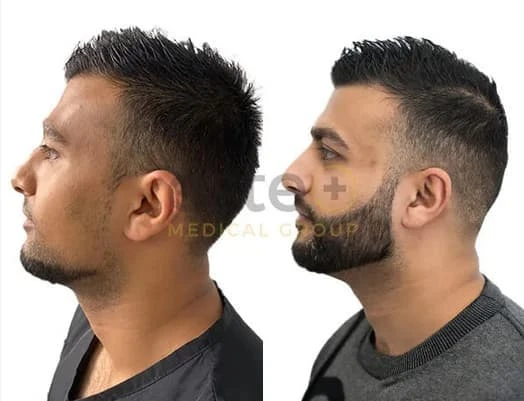

Facial hair has long been associated with masculinity, confidence, and style. For many men, a well-groomed beard can enhance facial features and contribute to a mature, attractive appearance. However, not everyone can grow a thick, even beard naturally. Sparse growth, patchiness, or genetic factors often make it difficult to achieve the desired look. This is where modern beard transplant Birmingham procedures have become a popular solution, offering a natural and permanent way to achieve fuller facial hair.
Understanding Beard Transplant Procedures
A beard transplant is a minimally invasive surgical procedure designed to restore or enhance facial hair growth. It involves transferring healthy hair follicles from one part of the body, usually the back of the scalp, to areas of the face where beard growth is thin or uneven.
How the Process Works
The process begins with a detailed consultation and hair assessment. The specialist identifies the donor area, typically at the back of the head, where hair growth is dense and healthy. Individual hair follicles are then carefully extracted and implanted into the desired beard region, following the natural direction of facial hair growth.
There are two primary techniques used in beard transplants:
- Follicular Unit Extraction (FUE): In this technique, individual hair follicles are harvested and transplanted one by one. It leaves minimal scarring and offers a natural appearance.
- Follicular Unit Transplantation (FUT): This involves removing a small strip of tissue from the donor area, from which individual follicular units are separated and implanted into the beard area.
Both methods are effective, though FUE is often preferred for its quicker recovery and minimal scarring.
Reasons for Considering a Beard Transplant
Men seek beard transplants for various reasons, ranging from aesthetic preferences to correcting patchiness or scarring.
Genetic Factors
Some men naturally have sparse or uneven facial hair due to genetics. A beard transplant provides an effective way to achieve uniform coverage.
Hormonal Imbalance
Hormonal changes or imbalances can affect hair growth. A transplant restores density in areas where hormones may have slowed natural growth.
Scarring or Injuries
Accidents, burns, or previous surgeries can leave scars that prevent hair from growing. Transplanting new follicles can help conceal these areas and create a consistent beard pattern.
Style and Personal Preference
Many men prefer a thicker or styled beard that complements their facial structure. A transplant offers the freedom to design a beard that matches personal style goals.
Benefits of Beard Transplant in Birmingham
Birmingham has become one of the top destinations for advanced hair restoration treatments. Clinics in the city offer state-of-the-art facilities and experienced specialists who use innovative techniques to ensure natural and lasting results.
Natural and Permanent Results
Unlike temporary solutions such as topical serums or artificial fillers, a beard transplant provides permanent results. The transplanted follicles grow naturally, allowing the beard to be trimmed, shaved, or styled just like natural facial hair.
Improved Confidence and Appearance
A fuller beard enhances facial definition and symmetry, helping individuals look more confident and youthful. Many men report a significant boost in self-esteem after undergoing the procedure.
Customised Beard Design
Specialists in beard transplant Birmingham clinics design the beard shape based on facial features, ensuring balanced and realistic growth patterns. Whether someone prefers a full beard, goatee, or stubble look, the treatment can be customised to meet those preferences.
Minimal Downtime
The recovery process after a beard transplant is relatively short. Most patients can return to normal activities within a few days. Minor redness or swelling subsides quickly, and new hair growth begins to appear within a few months.
Long-Term Cost Efficiency
Although the initial cost of a beard transplant may seem higher than temporary alternatives, it is a one-time investment that offers permanent results. This eliminates the need for ongoing maintenance or repeat procedures.
The Procedure Step by Step
Understanding the step-by-step process helps individuals feel more confident about what to expect.
Step 1: Consultation and Assessment
The process begins with a consultation, during which the specialist examines the donor area and facial hair pattern. A personalised treatment plan is created to ensure optimal results.
Step 2: Donor Hair Extraction
Using techniques like FUE, individual hair follicles are extracted from the donor area. This stage is performed under local anaesthesia to ensure comfort.
Step 3: Implantation
The extracted follicles are meticulously implanted into the target beard area at precise angles and depths to mimic natural hair growth direction.
Step 4: Recovery and Growth Phase
Post-procedure care involves keeping the area clean and avoiding touching or scratching the implanted region. Within two to three weeks, the transplanted hair may shed temporarily, which is a normal part of the process. New growth typically starts within three to four months and continues to thicken over time.
Expected Results and Aftercare
Gradual and Natural Growth
The results of a beard transplant are not immediate. Patients usually start noticing visible improvements within a few months, with full results appearing after nine to twelve months.
Post-Procedure Care
Proper aftercare plays an essential role in achieving successful results. Specialists typically recommend:
- Avoiding direct sun exposure for the first few days.
- Keeping the beard area clean and moisturised.
- Following prescribed medications or ointments to prevent infection.
- Refraining from shaving or trimming for at least two weeks after the procedure.
Long-Term Maintenance
Once fully healed, the transplanted beard can be maintained just like natural facial hair. Regular grooming, trimming, and conditioning help keep it looking neat and healthy.
Why Choose Professional Clinics in Birmingham
Birmingham offers some of the most reputable clinics equipped with modern technology and experienced professionals. The city’s specialists have extensive expertise in hair restoration, ensuring precise and natural outcomes. Furthermore, local clinics focus on patient comfort, safety, and personalised care, making beard transplant Birmingham a reliable choice for individuals seeking professional treatment.
Expertise and Experience
Professional clinics have skilled surgeons who understand the artistic aspect of beard design and the technical precision required for follicle placement.
Advanced Technology
Modern equipment allows for precise extraction and implantation, minimising discomfort and maximising follicle survival rates.
Personalised Approach
Every client’s face shape, hair texture, and goals are unique. Clinics in Birmingham tailor each treatment to match individual preferences and desired styles.
Common Myths About Beard Transplants
Myth 1: It Looks Unnatural
In reality, modern techniques ensure that transplanted hairs blend seamlessly with existing facial hair, creating a natural and realistic appearance.
Myth 2: It Is Painful
The procedure is performed under local anaesthesia, and most patients experience minimal discomfort both during and after the process.
Myth 3: Only for Complete Baldness
Even individuals with partial beard growth or patchy areas can benefit from a beard transplant to achieve even coverage.
Conclusion
A beard transplant Birmingham offers an advanced, reliable, and permanent solution for men seeking a fuller, thicker beard. By restoring natural hair growth and improving facial balance, this treatment helps enhance appearance and confidence. With experienced specialists, advanced technology, and tailored care, Birmingham stands out as one of the best places for achieving realistic and long-lasting beard restoration results.
For those ready to transform their look and embrace a well-defined beard, visiting Este Medical Group Birmingham can be the ideal choice for expert care and outstanding results.











Sign in to leave a comment.