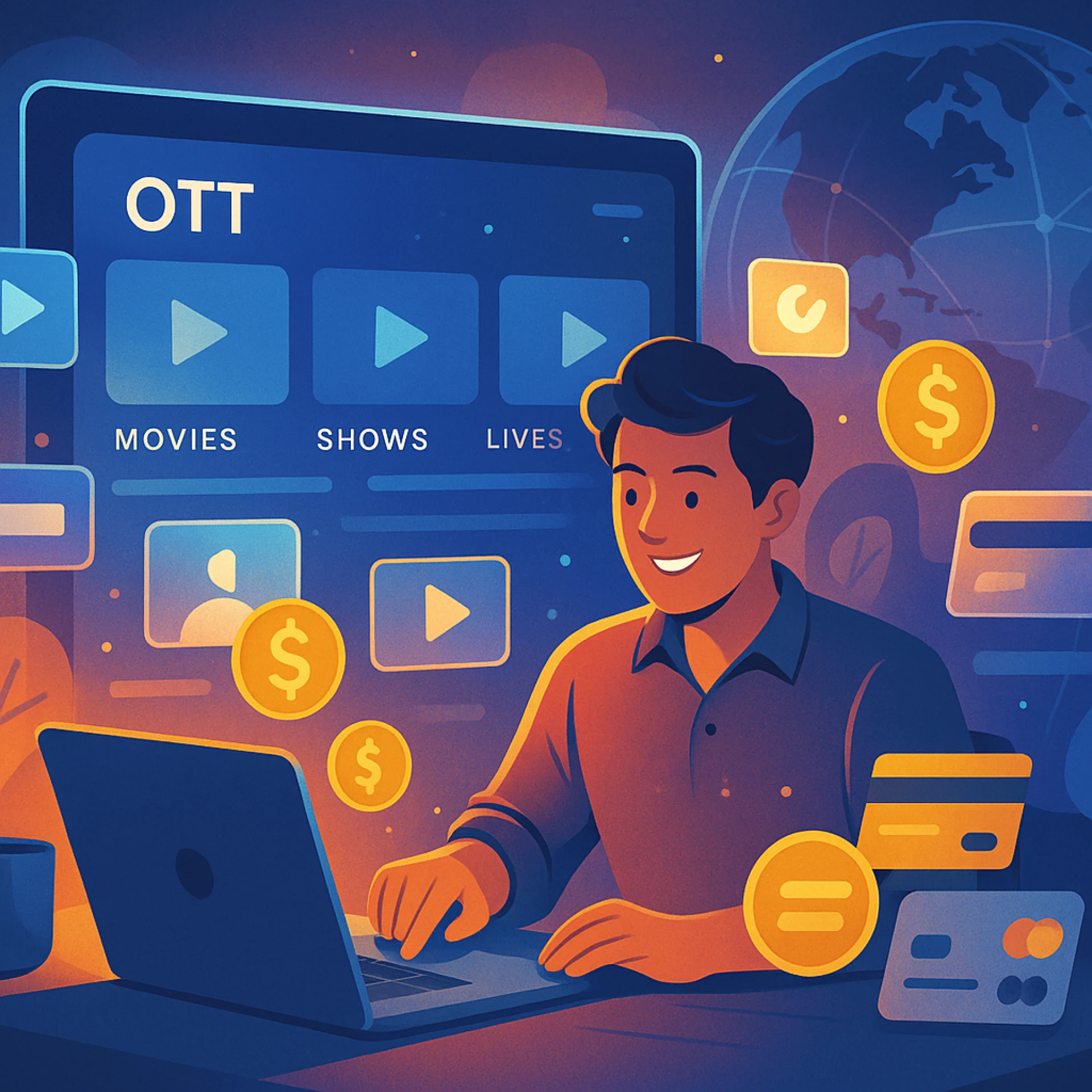

Launching an OTT platform has become one of the most effective ways for creators to take control of their work and build a sustainable business. Unlike relying only on social platforms, an OTT service allows direct access to audiences, flexible pricing models, and multiple revenue streams. Creators can monetize video content by choosing models like subscriptions, ads, or pay-per-view, giving them the freedom to align earnings with their audience’s habits.
The growing demand for streaming makes this path even more attractive. With billions of people consuming video online, OTT platforms open the door to global reach and brand growth. By combining strong content with the right content monetization strategy, creators can generate recurring revenue while keeping full ownership of their work.
Success doesn’t come from technology alone. It depends on building the right content library, setting up a clear business model, and developing strategies for growth and retention. With the right approach, an OTT platform can transform video content into a long-term revenue engine.
Key Steps to Monetizing Video Content with an OTT Platform
Creators who launch their own OTT platforms need to focus on revenue models, strong content strategies, and seamless user experiences. Success depends on selecting the right monetization tools, maintaining a valuable content library, and ensuring the platform works smoothly across devices.
Choosing the Right Monetization Models
The foundation of OTT monetization lies in selecting models that align with audience behavior. Subscription Video on Demand (SVOD) offers recurring revenue through monthly or yearly plans. Advertising Video on Demand (AVOD) provides free access supported by ads, while Transactional Video on Demand (TVOD) or pay-per-view works for live events, new releases, or premium content.
Each model has trade-offs. SVOD builds predictable income and loyalty, but it requires consistent exclusive content. AVOD helps reach larger audiences but depends on ad targeting and frequency control. TVOD gives flexibility for one-time purchases but works best with high-demand content.
Many platforms adopt hybrid models to balance reach and revenue. For example, offering a lower-priced subscription tier with ads while also selling pay-per-view events. Analytics tools help track viewer engagement, measure ad performance, and refine pricing strategies.
Building and Managing a Compelling Content Library
A strong content library drives subscriptions and retention. Viewers expect a mix of original productions, licensed titles, and niche programming. Exclusive content is particularly valuable because it encourages sign-ups and reduces churn.
Creators should organize their library with clear categories and metadata. This makes discovery easier inside the streaming app and improves search visibility. Regular updates keep the platform fresh and encourage repeat visits.
Content strategy should also consider rights management and security. Features like digital rights management (DRM), watermarking, and secure payment gateways protect video content from piracy. Licensing deals and syndication agreements can expand reach while generating additional income from other streaming services or markets.
Enhancing User Experience and Device Compatibility
User experience (UX) directly affects monetization. A well-designed streaming app with clear navigation, fast load times, and personalized recommendations encourages longer watch times and higher retention.
Device compatibility is equally important. OTT platforms should support smartphones, tablets, smart TVs, and web browsers. Consistent playback quality across devices improves trust and reduces cancellations.
Adding features like multi-device sync, offline downloads, and adaptive streaming enhances convenience. Secure payment gateways, simple sign-up flows, and multiple subscription options also improve conversions. By combining strong UX design with wide device support, creators can maximize both engagement and revenue.
Marketing, Growth, and Long-Term Success Strategies
Creators who launch their own OTT channel must think beyond content production. Growth depends on building a clear audience strategy, forming partnerships that expand reach, and maintaining platform security and scalability to compete in the evolving OTT market.
Identifying and Engaging Your Target Audience
Success begins with knowing exactly who the content is for. A creator must define demographics such as age, location, and interests, then align content formats with those preferences. For example, younger audiences often engage more with short-form video on TikTok, while long-form series may attract viewers used to platforms like Netflix or Hulu.
Engagement tools play a vital role. Push notifications, email campaigns, and in-app recommendations help retain subscribers and reduce churn. Offering exclusive behind-the-scenes content or early access can strengthen loyalty.
Creators should also track metrics like watch time, drop-off points, and subscription renewals. These insights guide future programming decisions and help refine marketing strategies that resonate with the right audience segments.
Leveraging Partnerships, Influencer Marketing, and E-Commerce
Partnerships expand visibility and credibility. Collaborating with influencers on platforms such as Twitch or TikTok allows an OTT channel to reach niche communities that trust creator-led recommendations. Influencer marketing works best when partnerships feel authentic and align with the creator’s brand identity.
E-commerce integration provides another revenue stream. Merchandise, digital products, and limited-edition drops can be sold directly through the platform. Bundling subscriptions with product discounts or offering members-only merchandise helps increase retention.
Advertising opportunities also matter. Running targeted advertisements within the OTT platform or through external campaigns can attract new subscribers. Strategic partnerships with brands or cross-promotions with other content creators further strengthen growth by tapping into established audiences.
Content Security, Digital Rights Management, and Platform Scalability
Protecting video assets is essential for creators who want to monetize long-term. Implementing digital rights management (DRM) prevents unauthorized downloads and piracy, ensuring exclusive content remains behind the paywall. Established OTT services like Disney+ and Hulu rely heavily on DRM to protect their libraries, and independent creators should do the same.
Scalability is equally critical. As subscriber numbers grow, the OTT platform must handle increased traffic without downtime. Reliable hosting, adaptive streaming, and CDN (content delivery network) integration help maintain smooth playback across devices.
Security also extends to payment processing and user data. Building trust with subscribers requires strong encryption and compliance with privacy regulations. Together, DRM and scalability ensure that creators can focus on content while maintaining a stable and secure platform for long-term growth.
Conclusion
Launching an OTT platform gives creators direct control over how they share and monetize their work. Instead of relying on third-party platforms, they can manage distribution, pricing, and audience relationships.
Different models, such as SVOD (subscriptions), AVOD (ads), and TVOD (one-time purchases), give flexibility. Each option works best for certain audiences and types of content. For example, AVOD suits free, broad content, while SVOD builds steady revenue with loyal viewers.
A hybrid approach often makes sense. Many platforms combine ads with subscriptions or rentals to reach wider audiences while still earning predictable income. This allows creators to test what works without being locked into a single strategy.
Key factors that shape success include:
- Audience preferences
- Content library size and quality
- Marketing and retention strategies
- Budget for platform development
By choosing the right mix of models and staying consistent with content delivery, creators can build sustainable businesses. The OTT model offers not just revenue opportunities but also independence in shaping how their content reaches viewers.












Sign in to leave a comment.