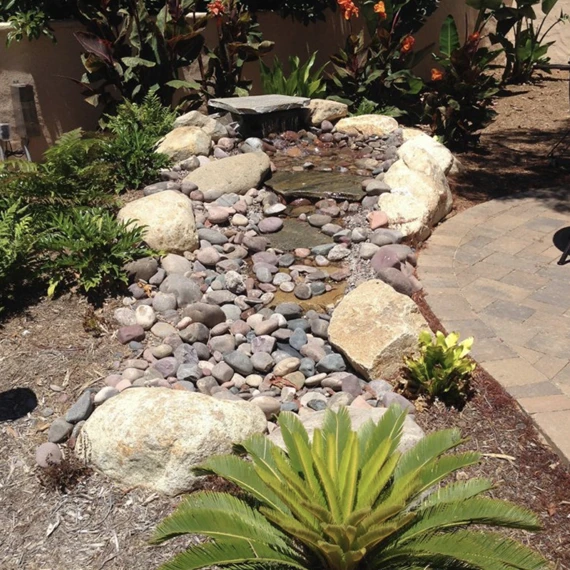

In a world increasingly impacted by climate change and water scarcity, sustainable landscaping is not just a trend—it’s a responsible choice. By using eco-friendly practices and efficient design strategies, sustainable landscaping can significantly reduce water usage while maintaining lush, beautiful outdoor spaces. Whether you're a homeowner, business owner, or landscape professional, understanding how to save water through sustainable methods can protect the environment and lower your utility bills.
In this blog, we’ll explore how sustainable landscaping helps conserve water and provide practical solutions you can apply to your own garden or green space.
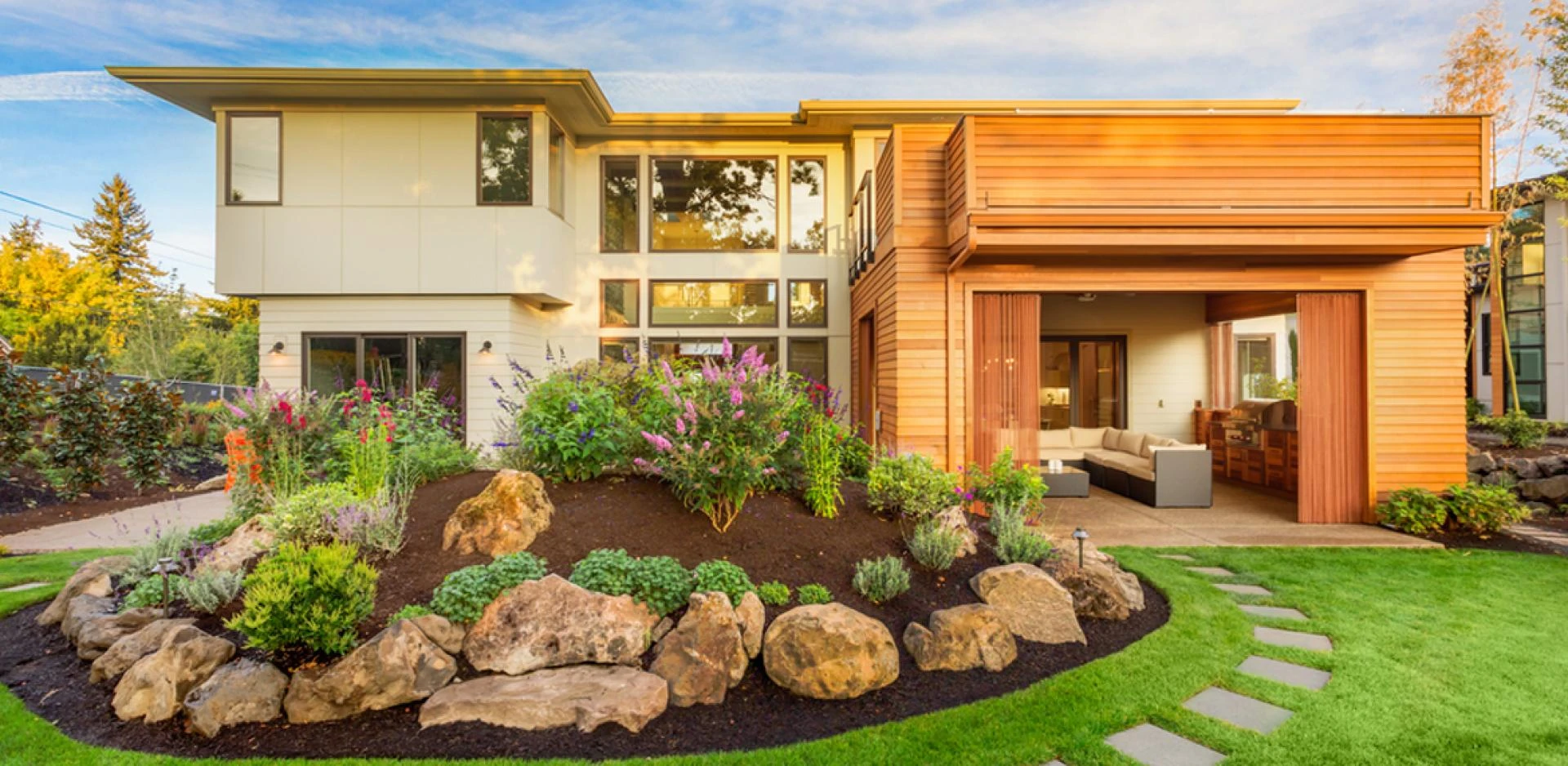
What is Sustainable Landscaping?
Sustainable landscaping is an environmentally conscious approach to designing and maintaining outdoor spaces. It incorporates natural elements, native plants, and efficient irrigation systems to minimise environmental impact. A key focus is water conservation, making it especially beneficial in drought-prone areas.
Ways Sustainable Landscaping Reduces Water Usage
1. Choosing Native and Drought-Tolerant Plants
Native plants are adapted to the local climate and soil conditions. This means they require:
- Less water
- Fewer fertilisers
- Minimal maintenance
Similarly, drought-tolerant species like lavender, succulents, and ornamental grasses thrive in dry conditions. These plants dramatically cut down the need for irrigation compared to water-hungry lawns or exotic species.
2. Mulching to Retain Moisture
Applying mulch around plants reduces water evaporation from the soil. Organic mulches like bark chips, compost, or straw:
- Keep the soil cool
- Prevent weed growth
- Enhance water retention
Mulching is one of the simplest ways to save water and keep your plants healthy in hot weather.
3. Smart Irrigation Systems
Traditional sprinkler systems often overwater or waste water through evaporation. Sustainable landscaping uses efficient irrigation methods, such as:
- Drip irrigation: Delivers water directly to plant roots, reducing waste
- Smart controllers: Adjust watering based on weather conditions and soil moisture
- Rain sensors: Automatically stop watering when it rains
These systems ensure that water is used only when and where it's needed.
4. Rainwater Harvesting
Collecting and storing rainwater from rooftops can supply a significant portion of your garden’s irrigation needs. Systems can range from simple barrels to more advanced underground tanks. Benefits include:
- Reducing reliance on municipal water
- Lower water bills
- Providing chemical-free water for plants
5. Soil Improvement and Aeration
Healthy soil retains water more efficiently. Sustainable landscapers often improve soil quality through:
- Composting
- Adding organic matter
- Aerating compacted soil
These practices allow water to penetrate deeper into the ground, reaching roots and reducing runoff.
6. Designing with Water Zones
This technique groups plants based on their water needs. For example:
- High water-use plants are placed together and close to the water source.
- Drought-tolerant plants are positioned farther out where irrigation is minimal.
This "hydrozoning" method ensures efficient watering and avoids over-irrigation.
Benefits of Water-Efficient Landscaping
✔ Lower water bills
✔ Increased plant longevity and health
✔ Reduced environmental impact
✔ Compliance with local water restrictions
✔ Enhanced biodiversity and natural habitats
Real-World Example: Sustainable Landscaping in Action
In Australia and parts of California, where drought conditions are common, many councils now encourage or require water-wise landscaping. Homeowners are rewarded with rebates for replacing lawns with native ground cover and installing drip irrigation systems. These real-world efforts show that sustainable landscaping is both practical and impactful.
Tips to Get Started with Sustainable Landscaping
- Assess your local climate and soil type
- Research native and drought-resistant plant options
- Install a smart irrigation system
- Replace lawns with ground covers or gravel
- Use compost and mulch generously
- Collect and use rainwater
Final Thoughts
Sustainable landscaping offers an intelligent and eco-conscious solution to water conservation. By making informed choices—like selecting native plants, installing efficient irrigation systems, and improving soil—you can dramatically reduce your water use without compromising the beauty of your outdoor space.
As water becomes an increasingly precious resource, sustainable landscaping isn’t just an option—it’s a necessity. Start small, plan wisely, and watch your garden thrive naturally with minimal water waste.













Sign in to leave a comment.