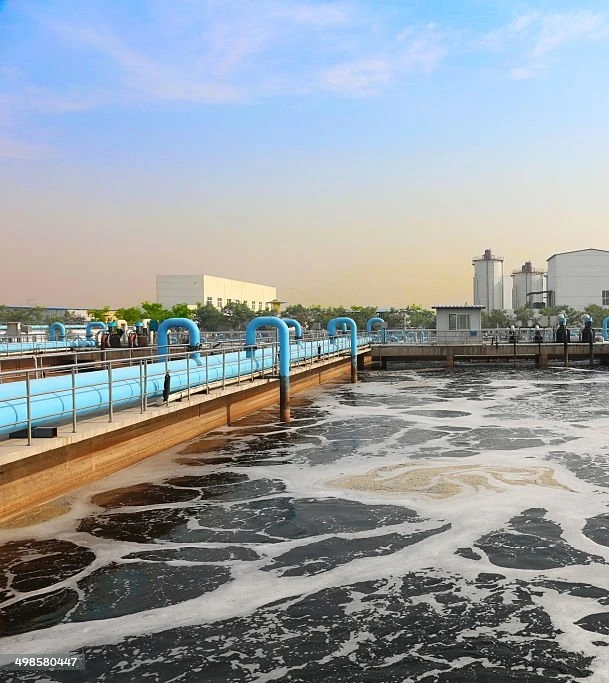

As industries grow and urban populations rise, the pressure on natural water resources continues to intensify. In this scenario, wastewater treatment has become more than just a regulatory requirement—it is a crucial environmental responsibility. Wastewater from domestic, industrial, and commercial sources carries pollutants that, if left untreated, can harm ecosystems, contaminate groundwater, and endanger human health. Therefore, developing and operating efficient wastewater treatment plants is key to sustainable environmental management.
The Environmental Need for Advanced Wastewater Treatment
Conventional wastewater treatment processes involve physical, biological, and chemical methods to remove contaminants and pollutants. While these systems have been successful to an extent, the increasing complexity of industrial waste and the need to conserve natural resources demand more advanced and sustainable solutions. Treating water to a level where it can be reused not only reduces pollution but also alleviates stress on freshwater supplies. This is especially crucial in water-scarce regions and in industries with high water consumption rates.
One effective way Wastewater Treatment Plants can reduce their environmental impact is through water reuse. Treated water can be recycled for landscaping, cooling towers, industrial processing, and even agricultural irrigation. By implementing water reuse strategies, industries and municipalities can reduce dependency on freshwater sources while ensuring that harmful effluents are not discharged into rivers or lakes.
Integration with Sewage Treatment Plants and Effluent Treatment Plants
The integration of sewage treatment plant and effluent treatment plant operations within a common infrastructure can significantly improve overall environmental performance. A Sewage Treatment Plant focuses on treating domestic wastewater that comes from residential and commercial establishments. These systems remove organic matter, pathogens, and nutrients that could otherwise lead to eutrophication in receiving water bodies.
On the other hand, an Effluent Treatment Plant is tailored to treat industrial discharges, which may contain toxic chemicals, heavy metals, oils, and non-biodegradable materials. When both systems operate in harmony, the combined impact is a considerable reduction in pollution load. COEQUAL INFOTECH PVT LTD offers modular and scalable STP and ETP solutions that optimize energy usage, minimize chemical consumption, and ensure high-quality treated water output.
Achieving Zero Liquid Discharge (ZLD)
One of the most impactful ways to reduce environmental burden from wastewater treatment is to implement Zero Liquid Discharge Systems. ZLD refers to a treatment process that ensures no liquid waste leaves the plant. Instead, all water is recovered, and the residual waste is converted into solid form for safe disposal or reuse.
Implementing a zero liquid discharge system involves multiple stages, including filtration, Reverse Osmosis, evaporation, and crystallization. While it requires an upfront investment, the long-term environmental and economic benefits are substantial. Companies that adopt ZLD not only reduce their ecological footprint but also enhance their brand reputation as sustainable enterprises.
Energy Efficiency and Resource Recovery
Another dimension of environmentally sustainable wastewater treatment is improving energy efficiency. Traditional treatment plants often consume large amounts of electricity, especially during aeration and sludge processing stages. By integrating renewable energy sources such as solar panels and biogas generators, plants can drastically cut their carbon emissions.
Moreover, modern wastewater treatment facilities can extract valuable resources such as biogas from sludge digestion and nutrients like nitrogen and phosphorus for use as fertilizers. This circular approach transforms treatment plants into resource recovery units, making them not only eco-friendly but also economically viable.
Policy Compliance and Corporate Sustainability
Stringent environmental regulations are increasingly driving industries to upgrade their wastewater treatment systems. Government bodies across the globe now mandate treatment of effluents before discharge and encourage practices like ZLD, reuse, and recycling. Beyond compliance, sustainable wastewater management is becoming central to corporate social responsibility.
Companies that invest in advanced sewage treatment plant and effluent treatment plant systems not only avoid legal penalties but also align with global sustainability goals such as those outlined in the UN’s Sustainable Development Goals (SDGs).
Conclusion
Reducing the environmental impact of wastewater treatment plants is both a necessity and a responsibility in today’s industrial and urban landscape. From embracing zero liquid discharge technologies to integrating sewage treatment plant and effluent treatment plant systems, there are multiple strategies to transform wastewater facilities into sustainable hubs of resource recovery. COEQUAL INFOTECH PVT LTD remains committed to supporting this transformation by offering state-of-the-art, eco-friendly treatment solutions tailored to the evolving needs of our clients.
Through innovation, automation, and sustainable design, wastewater treatment can move from being a burden to becoming a vital solution for environmental preservation. The future of clean water starts with responsible treatment today.










Sign in to leave a comment.