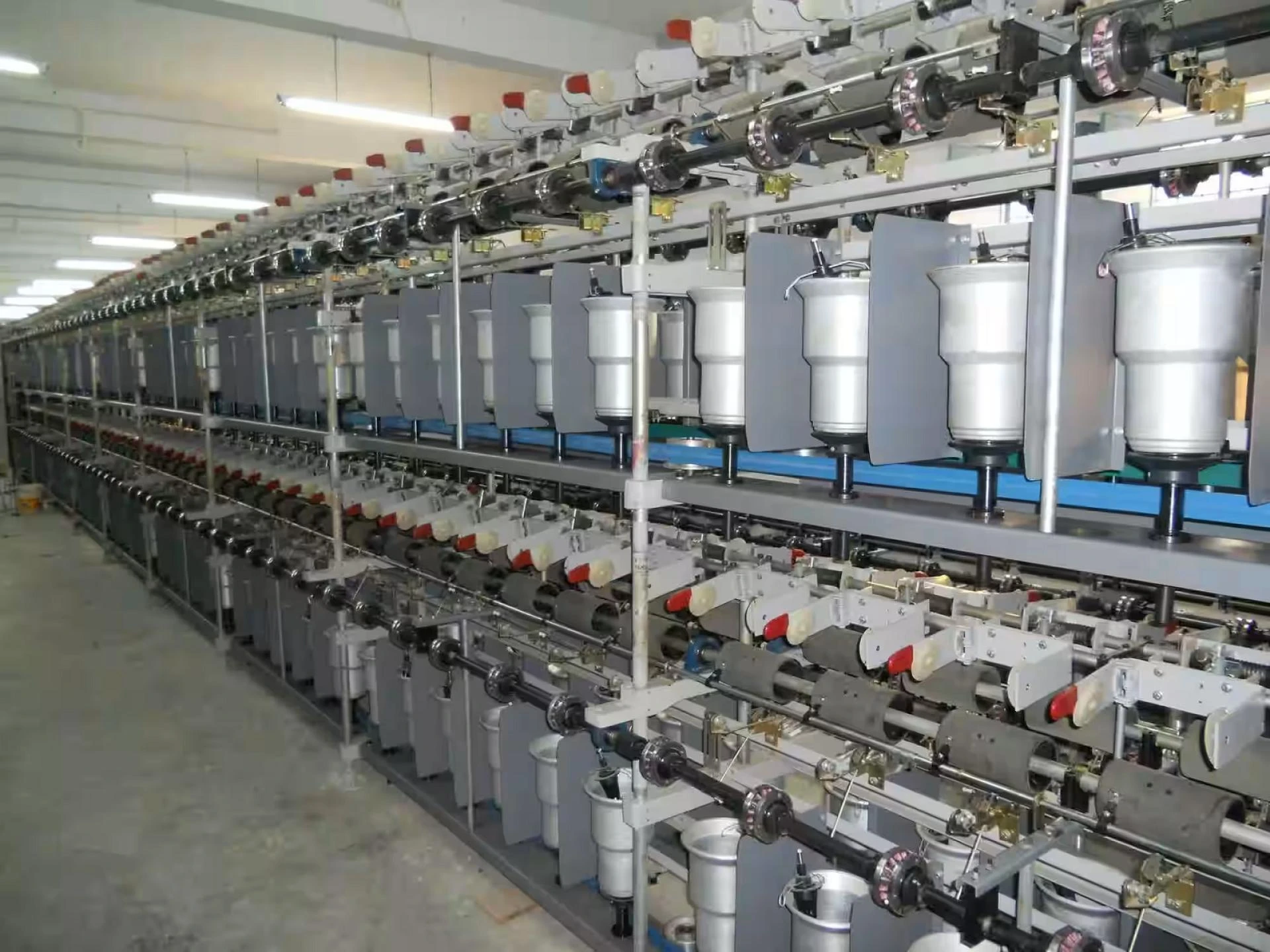

The Indian textile industry is a powerhouse, boasting a rich heritage and contributing significantly to the nation's economic growth. Yarn production forms the backbone of this industry, supplying the essential thread for a vast array of textile products. As the global textile market evolves, yarn manufacturers in India must adapt and strategize to remain competitive.
Understanding the Indian Textile Landscape
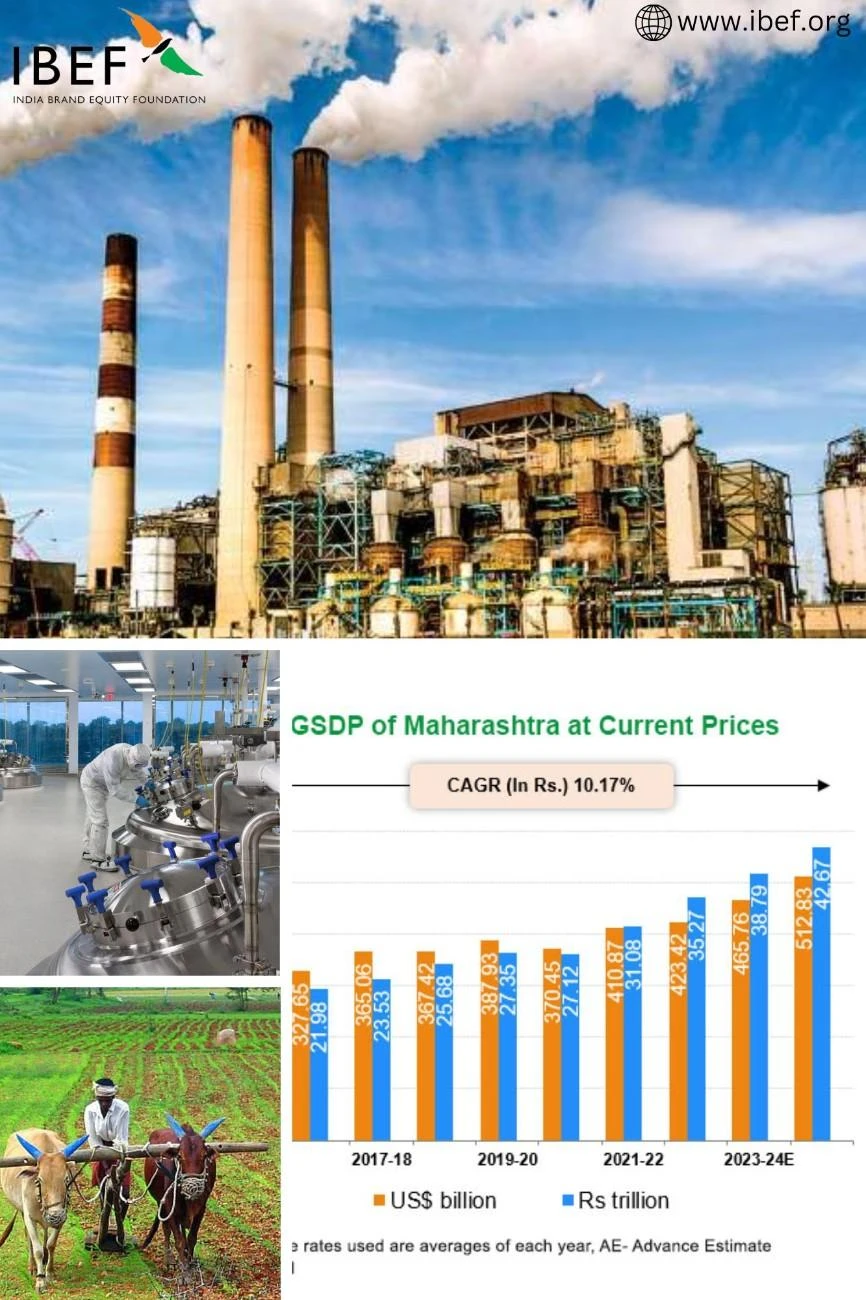
A glimpse into the Indian textile industry, as outlined by the India Brand Equity Foundation (IBEF), reveals a sector brimming with potential. The industry is projected to reach a staggering US$ 190 billion by 2025, signifying its immense growth trajectory. Cotton, a natural fiber, reigns supreme in India, with the country being a leading producer of cotton yarn. The government, recognizing the textile industry's significance, has implemented various incentive programs to bolster production and exports.
Challenges Faced by Indian Yarn Manufacturers
Despite its strengths, the Indian yarn manufacturing sector encounters several challenges that hinder its global competitiveness. Here's a closer look at some of these roadblocks:
Raw Material Costs: Fluctuations in the prices of raw materials, particularly cotton, can significantly impact yarn manufacturers' profitability.Technological Upgradation: The textile industry, especially yarn production, requires continuous technological advancements to improve efficiency, and product quality, and reduce wastage. Upgrading machinery can be a substantial investment for manufacturers.Labor Costs: While India enjoys a cost advantage in labor compared to some developed nations, rising wages can affect yarn pricing and competitiveness.Stiff Competition: The global yarn market is fiercely competitive, with established players from countries like China, Bangladesh, and Vietnam vying for market share.Stringent Quality Standards: International markets often impose stringent quality standards on yarn imports. Meeting these standards requires robust quality control measures within manufacturing units.Strategies for Success: Competing on the Global Stage
Indian yarn manufacturers can overcome these challenges and carve a niche for themselves in the global market by adopting the following strategies:
Focus on Quality and Specialization: Prioritizing yarn quality through stringent quality control processes is paramount. Specializing in high-value, niche yarns like organic cotton, technical textiles, or specialty blends can add value and cater to specific market demands.Embrace Technological Advancements: Investing in modern machinery and automation can significantly enhance production efficiency, reduce wastage, and improve yarn quality.Cost Optimization: Exploring alternative raw materials, optimizing production processes, and minimizing wastage can help manufacturers control costs and offer competitive pricing.Skill Development and Training: Upskilling the workforce with new technologies and best practices can ensure a skilled workforce that can operate advanced machinery and maintain high-quality standards.Sustainability: Adopting sustainable practices like using organic cotton, recycled fibers, and energy-efficient processes can resonate with environmentally conscious consumers and global brands.Government Incentives: Leveraging the benefits of government initiatives such as the Scheme for Integrated Textile Parks (SITP) and subsidies on textile machinery imports can ease the financial burden of modernization.Market Research and Innovation: Conducting thorough market research to identify emerging trends, consumer preferences, and potential new markets is crucial. Investing in research and development (R&D) to create innovative new yarn products can propel manufacturers ahead of the curve.Collaboration and Strategic Partnerships: Collaboration between yarn manufacturers, textile sector companies in India, and international brands can foster knowledge sharing, facilitate market access, and open doors to new opportunities.Marketing and Branding: Building a strong brand identity emphasizing quality, innovation, and sustainability can help Indian yarn manufacturers stand out in the global marketplace. Participating in international textile trade shows and exhibitions can further enhance brand visibility.Building a Sustainable Future for Indian Yarn
By adopting these strategies, yarn manufacturers in India can compete effectively in the global market and become leaders in innovation and sustainability. The Indian textile industry's rich heritage, skilled workforce, and government support provide a solid foundation for growth. By embracing continuous improvement, technological advancements, and a focus on quality and sustainability, Indian yarn manufacturers can weave a path to a thriving future in the global textile landscape.
Looking Ahead: A Bright Future for Indian Yarn
The Indian yarn manufacturing industry possesses immense potential to become a global leader. With a focus on innovation, quality, sustainability, and strategic planning, Indian yarn manufacturers can overcome challenges, capitalize on opportunities, and write a success story in the global textile market. The collective efforts of yarn manufacturers, Textile sector companies in India, and the government can propel the Indian textile industry to even greater heights, making it a shining example of excellence.
Government Initiatives: Fostering Growth
The Indian government recognizes the textile industry's significance and actively supports yarn manufacturers through various initiatives:
Ministry of Textiles: The Ministry of Textiles spearheads various schemes and programs to promote the growth of the textile sector. These include financial assistance for modernization, skill development initiatives, and export promotion schemes.Textile Parks: The Scheme for Integrated Textile Parks (SITP) establishes textile parks with world-class infrastructure to attract investment and foster the development of modern textile units.Textile Upgradation Fund Scheme (TUFS): This scheme provides financial assistance to textile companies for modernization and technological degradation.Rebate on State Levies (RoSL): This scheme offers rebates on state levies on textile exports, making Indian yarn more competitive in the global market.These government initiatives are crucial in creating a conducive environment for yarn manufacturers to flourish. By leveraging these benefits and staying informed about new government programs, they can strengthen their competitive edge.
Conclusion: A Collaborative Future for Indian Yarn
The Indian yarn manufacturing industry stands at a pivotal juncture. By embracing innovation, quality, sustainability, and strategic partnerships, yarn manufacturers in India can compete and thrive in the global market. Collaboration between yarn manufacturers, Textile sector companies in India, and the government is essential to achieve this shared vision.
A skilled workforce, a rich textile heritage, and a supportive government provide a strong foundation for the Indian yarn industry. By harnessing these strengths and adapting to the evolving global landscape, Indian yarn manufacturers can establish themselves as leaders in quality, innovation, and sustainable yarn production. The future of Indian yarn is undoubtedly bright, poised to make a significant mark on the global textile map.











Sign in to leave a comment.