Chronic diseases are on the rise, and healthcare providers are constantly seeking effective ways to support patients who require ongoing, long-term care. Chronic care management has emerged as a critical solution to bridge the gap between occasional doctor visits and continuous, proactive care. By leveraging chronic care management, providers can transform patient outcomes, reduce hospitalizations, and streamline care delivery.
In this article, we’ll explore what chronic care management is, its key benefits for both providers and patients, and how it enables continuous care in today’s healthcare landscape.
What is Chronic Care Management?
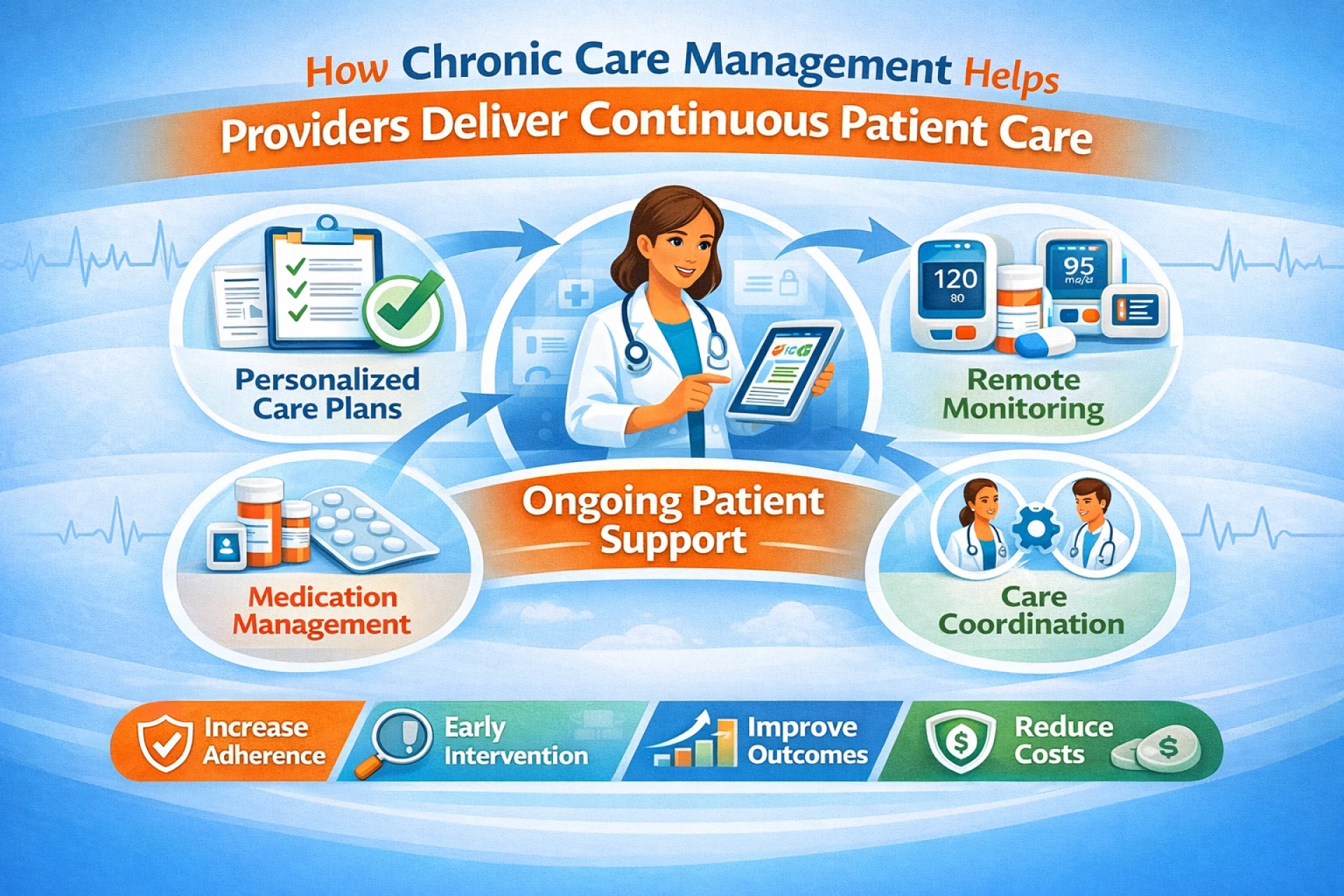
Chronic care management (CCM) refers to a coordinated approach in which healthcare providers manage the care of patients with two or more chronic conditions. These may include diabetes, hypertension, heart disease, COPD, and other long-term illnesses that require consistent monitoring and intervention.
Chronic care management involves:
- Creating a comprehensive care plan tailored to the patient’s unique needs.
- Coordinating services between multiple healthcare providers and specialists.
- Regularly checking in with patients via phone, telehealth, or in-person visits.
- Monitoring medications, lab results, and patient adherence.
- Providing health education and self-management support.
CCM programs are typically supported by technology platforms, such as healtharc, which help automate routine tasks and ensure seamless communication among care teams.
Why Chronic Care Management is Vital for Continuous Patient Care
For patients with chronic conditions, the traditional healthcare model—centered around periodic appointments—can lead to gaps in care. These gaps often result in preventable hospital admissions, medication errors, and poor disease control. Chronic care management fills these gaps by providing consistent touchpoints and a proactive approach to health.
Here are several ways chronic care management enables continuous patient care:
1. Improved Patient Engagement
One of the core strengths of chronic care management is its focus on patient engagement. Regular communication, whether through phone calls, secure messaging, or digital portals, keeps patients involved in their care. Patients are more likely to adhere to treatment plans, follow medication schedules, and make healthier lifestyle choices when they feel supported and informed.
2. Enhanced Care Coordination
Many patients with chronic illnesses see multiple providers. Chronic care management ensures that all healthcare professionals involved are on the same page. Care coordinators share updates, track changes in medication, and monitor progress, reducing the risk of duplicative tests or conflicting treatments.
3. Early Detection of Health Issues
Continuous monitoring allows care teams to spot warning signs before they escalate into emergencies. For example, if a patient’s blood sugar levels start trending higher, the care team can intervene quickly. This proactive approach reduces unnecessary hospital visits and improves overall outcomes.
4. Personalized Care Plans
Chronic care management emphasizes individualized care. Providers work with patients to set achievable goals, offer tailored education, and adjust care plans as needed. This level of personalization leads to better disease management and higher patient satisfaction.
5. Better Medication Management
Managing multiple medications can be confusing, especially for older adults. Chronic care management includes regular medication reviews, reminders, and checks for drug interactions. This reduces the risk of adverse reactions and ensures patients are taking their medications as prescribed.
6. Reduction in Hospitalizations and Emergency Room Visits
With continuous support, patients are less likely to experience complications that require hospitalization or emergency care. Studies show that chronic care management programs can significantly reduce readmission rates and lower healthcare costs.
How Providers Benefit from Chronic Care Management
Chronic care management isn’t just beneficial for patients—it also helps providers deliver higher-quality care more efficiently. Here’s how:
- Improved Workflow Efficiency: By automating routine tasks and centralizing patient information, providers can focus more on patient care and less on paperwork.
- Increased Revenue: Chronic care management is reimbursable under Medicare and many private insurances, providing an additional revenue stream.
- Enhanced Patient Relationships: Continuous contact fosters trust and strengthens the provider-patient relationship.
- Better Clinical Outcomes: By closely monitoring patients, providers can intervene earlier, leading to improved disease control and fewer complications.
- Data-Driven Decision Making: CCM platforms like healthArc collect valuable data, enabling providers to make informed decisions and track progress over time.
Implementing Chronic Care Management: Best Practices
To maximize the benefits of chronic care management, providers should consider the following best practices:
1. Utilize Technology Solutions
Invest in a comprehensive CCM platform, such as healtharc, that streamlines communication, automates reminders, and tracks patient progress. A robust technology solution reduces administrative burden and enhances care coordination.
2. Train Care Teams
Ensure all care team members are trained in chronic care management protocols, patient engagement techniques, and the use of technology platforms.
3. Engage Patients Early
Educate patients about the benefits of chronic care management and enroll eligible individuals as soon as possible. Early engagement leads to better outcomes.
4. Monitor Quality Metrics
Track key performance indicators such as hospital readmissions, medication adherence, and patient satisfaction. Use this data to continuously refine and improve your CCM program.
5. Foster a Team-Based Approach
Encourage collaboration among physicians, nurses, care coordinators, pharmacists, and other healthcare professionals involved in the patient’s care.
The Role of healtharc in Chronic Care Management
healtharc is a leading provider of digital health solutions designed to support chronic care management. With a user-friendly platform, healtharc enables providers to:
- Monitor patients remotely with real-time data collection.
- Automate routine follow-ups and reminders.
- Integrate electronic health records for seamless care coordination.
- Generate detailed reports for performance tracking and compliance.
By partnering with healtharc, providers can streamline their chronic care management efforts, ultimately delivering better continuous care to patients.
Conclusion
Chronic care management is transforming the way healthcare providers deliver continuous care to patients with long-term health conditions. By prioritizing patient engagement, care coordination, and personalized interventions, chronic care management bridges the gap between episodic care and ongoing support.
For providers, implementing a robust chronic care management program—supported by technology platforms like healtharc—means improved patient outcomes, greater efficiency, and enhanced satisfaction for both patients and care teams.
As chronic diseases continue to rise, embracing chronic care management isn’t just an option; it’s essential for delivering high-quality, continuous patient care in today’s healthcare environment. If you’re looking to elevate your practice and provide better care for your patients, consider integrating chronic care management into your workflow today.











Sign in to leave a comment.